Blue Diesel Strain: Effects, Flavor, THC, Benefits & What to Know

Blue Diesel Strain

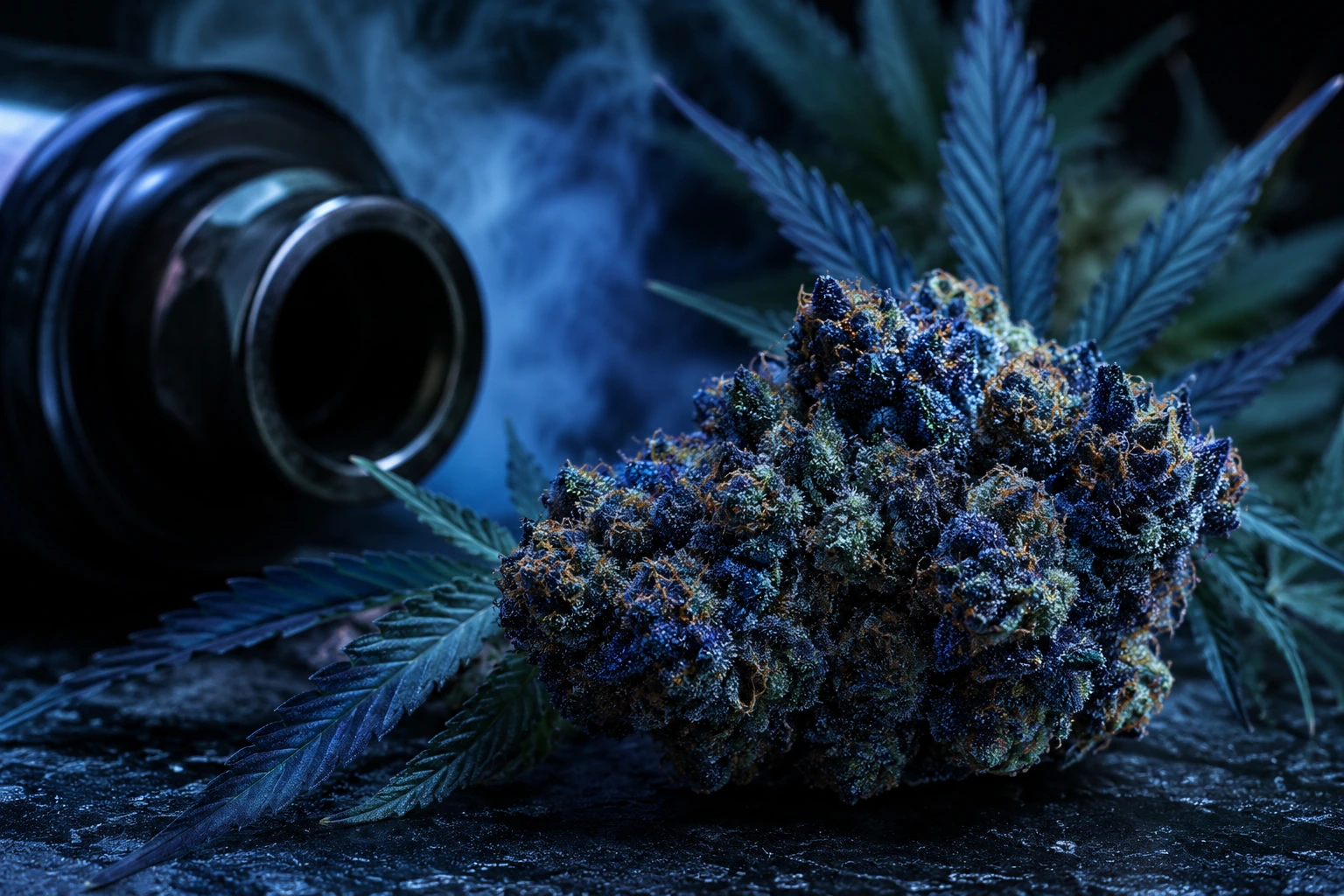
If you are looking for a cannabis strain that combines fruity flavors with the unmistakable aroma of diesel, the Blue Diesel strain is worth exploring. It is commonly described as a hybrid associated with Blueberry and NYC Diesel genetics, although strain information can vary between breeders and products.

Blue Diesel is often sought out for its reported combination of relaxation, uplifted mood, and mental stimulation. However, the experience can vary significantly depending on the product, cannabinoid concentration, terpene profile, tolerance, and individual response.

This guide covers what you should know about Blue Diesel before choosing it, including its genetics, flavor, reported effects, THC and CBD levels, potential side effects, medical considerations, and similar strains.

Explore Your Medical Cannabis Options

Wondering if medical cannabis is right for you? Connect with a licensed medical marijuana doctor online today.

>>Get Started Today <<

What Is the Blue Diesel Strain?

Blue Diesel is generally described as a hybrid cannabis strain. Lists Blueberry × NYC Diesel as its lineage and identifies Blue Diesel as a hybrid. The strain is also known by names including Blue City Diesel and New Blue Diesel.

The name gives you a good clue about its character:

  • Blueberry genetics are associated with sweet berry and fruity notes.
  • Diesel genetics contribute the sharp, fuel-like aroma commonly associated with diesel strains.
  • The hybrid classification reflects a combination of cerebral and physical effects rather than fitting neatly into a purely energizing or sedating category.

There is one important caveat: cannabis strain names are not standardized. Different growers and breeders may use the same or similar names for genetically different plants. That means the Blue Diesel you find at one dispensary may not have exactly the same cannabinoid or terpene profile as another product carrying the same name.

Blue Diesel Strain Genetics

The most commonly cited lineage for Blue Diesel is:

Blueberry × NYC Diesel

Currently identifies Blue Diesel as a hybrid and reports an average THC level around 15% based on its available strain data.

Other cannabis databases report different cannabinoid ranges. For example, Leafwell lists Blue Diesel products in the 16%–23% THC range, while AllBud lists a 16%–23% THC range as well.

The variation is a good reminder that a strain name alone does not tell you the exact potency of the flower sitting in front of you. Always check the product’s laboratory test results when available.

Blue Diesel THC and CBD Levels

There is no single THC percentage that applies to every batch of Blue Diesel.

Reported values vary by database and product. Current listings place Blue Diesel in a moderate-to-higher THC range, while CBD is generally reported as very low.

Your product’s actual potency can depend on:

  • Genetics
  • Growing conditions
  • Harvest timing
  • Storage
  • Processing
  • Testing laboratory
  • Cultivator and batch

If you are new to cannabis or sensitive to THC, avoid choosing a product based only on a strain name. A higher-THC product can produce stronger psychoactive effects and may increase the likelihood of unwanted effects for some people.

What Does Blue Diesel Taste Like?

One of Blue Diesel’s most recognizable characteristics is its combination of berry sweetness and diesel-like fuel notes.

Lists diesel, berry, and blueberry among the strain’s leading reported flavors.

You may notice:

  • Blueberry
  • Sweet berry
  • Fruity notes
  • Earthy undertones
  • Fuel or diesel
  • A slightly sharp finish

The flavor can change depending on the cultivar, curing process, storage conditions, and terpene concentration.

If you enjoy cannabis strains with a sweet-and-fuel profile, Blue Diesel may appeal to you more than strains dominated by earthy or spicy flavors.

Blue Diesel Aroma and Terpenes

Terpenes are naturally occurring aromatic compounds found in cannabis and many other plants. They contribute to a strain’s smell and flavor, although they do not independently determine how a cannabis product will affect you.

Currently identifies myrcene, limonene, and caryophyllene among Blue Diesel’s reported terpenes.

1. Myrcene

Myrcene is found in cannabis as well as plants such as hops. It is commonly associated with earthy and herbal aromas.

2. Limonene

Limonene has a citrus-like aroma and occurs naturally in citrus fruits and other plants.

3. Caryophyllene

Caryophyllene has a peppery, spicy character and is unusual among common terpenes because it interacts with the body’s endocannabinoid system.

The terpene profile can vary from one Blue Diesel product to another, so a dispensary’s batch-specific laboratory report is more useful than assuming every product has the same terpene percentages.

What Are the Effects of Blue Diesel?

Reported experiences with Blue Diesel tend to include a mixture of relaxation and mental uplift.

Users most commonly report effects such as:

  • Relaxed
  • Uplifted
  • Euphoric

Its reported flavor profile includes diesel, berry, and blueberry.

Some users also describe feeling focused or creative. Community-reported effects should be treated as personal experiences rather than guaranteed medical outcomes.

Is Blue Diesel More Energizing or Relaxing?

It can be both.

Blue Diesel is often described as a balanced hybrid, which makes it appealing to people who do not want an extremely stimulating or heavily sedating experience.

However, cannabis effects are highly individual. The same product may feel relaxing to one person and mentally stimulating or uncomfortable to another. Factors such as THC concentration, dose, tolerance, setting, consumption method, and personal sensitivity can all influence the experience.

Blue Diesel for Medical Cannabis Patients

Some cannabis consumers choose Blue Diesel when they want a product associated with relaxation without necessarily feeling heavily sedated.

User-reported data currently shows people mentioning Blue Diesel in connection with stress, anxiety, and pain. These reports reflect user experiences and should not be interpreted as clinical evidence that the strain treats those conditions.

If you are considering cannabis for a medical condition, the more useful questions are:

  1. What symptoms are you trying to manage?
  2. How much THC and CBD does the specific product contain?
  3. What medications are you already taking?
  4. How sensitive are you to THC?
  5. What consumption method are you considering?
  6. Is cannabis appropriate for your particular health situation?

A strain name should not replace advice from a qualified healthcare professional.

Possible Benefits People Report

Based on consumer-reported information, Blue Diesel is sometimes selected for experiences involving:

1. Stress

Relaxation and an uplifted mood are among the effects reported by Blue Diesel consumers.

2. Anxiety

Some users report using Blue Diesel when seeking a calmer experience. However, THC can also cause anxiety or paranoia in some people, particularly at higher doses. Individual responses vary.

3. Pain

Pain is another effect category reported by some Blue Diesel users. That does not establish the strain as a proven treatment for chronic pain.

4. Mood

The euphoric and uplifted effects reported by consumers may be appealing to people looking for a mood-changing cannabis experience.

These reported uses are not the same as medically proven indications. Cannabis research continues to develop, and the effects of one strain cannot automatically be applied to every person or medical condition.

Blue Diesel Side Effects

Blue Diesel can produce unwanted effects, particularly when the THC dose is higher than your tolerance.

Commonly reported effects associated with Blue Diesel include:

  • Dry mouth
  • Dry eyes
  • Headache
  • Dizziness
  • Anxiety in some users

Current user-reported data lists dry mouth, headache, and dry eyes among reported negative effects. Cannabis can also affect attention, memory, coordination, judgment, and reaction time.

If you experience significant discomfort after using cannabis, avoid taking more and consider seeking medical advice if symptoms are severe or do not improve.

Is Blue Diesel Good for Beginners?

It depends on the individual product and your sensitivity to THC.

A strain’s name does not tell you whether it will feel mild or strong. Two Blue Diesel products can have different THC concentrations and terpene profiles.

If you are inexperienced with cannabis, pay attention to the product’s labeled THC concentration and follow applicable local guidance. Taking more because you do not immediately feel an effect can be particularly risky with edible products because their effects can take longer to appear.

The safest approach is to understand the product’s potency and avoid combining cannabis with other intoxicating substances.

Blue Diesel and Different Consumption Methods

The way cannabis is consumed can substantially change how quickly effects appear and how long they last.

1. Flower

Inhaled cannabis generally produces effects relatively quickly. Smoking, however, exposes the lungs to smoke, and cannabis smoke contains many of the same harmful substances found in tobacco smoke.

2. Vaporized Cannabis

Vaporization is another inhaled method, but it is not risk-free. Cannabis vaping products have been associated with lung injuries, particularly products containing certain additives or contaminants.

3. Edibles

Edibles take longer to produce noticeable effects and can last longer than inhaled cannabis. This delayed onset can make it easier for someone to consume more than intended before the initial effects are felt.

If you use cannabis in any form, avoid driving or operating machinery while impaired. Cannabis can slow reaction time and affect coordination, judgment, and perception.

Blue Diesel vs. Other Cannabis Strains

If you like the general Blue Diesel profile, several other strains may be worth exploring.

Strain What It Shares With Blue Diesel Main Difference
NYC Diesel Diesel aroma and cerebral character Its profile is generally more associated with stimulating effects
Sour Diesel Strong fuel-like aroma and energetic character Often considered more strongly energizing
Blue Dream Berry-forward flavor and hybrid character Different genetics and overall effect profile
Blueberry Sweet berry flavor and relaxing character Typically more associated with relaxation

Blue Diesel is particularly interesting if you want a combination of fruit-forward flavor and diesel character rather than choosing only one side of that spectrum.

Blue Diesel vs. Blue City Diesel

This can be confusing when shopping for cannabis.

Blue Diesel is sometimes listed under the name Blue City Diesel, and currently treats Blue City Diesel and New Blue Diesel as alternate names for Blue Diesel.

However, cannabis naming is not standardized across the industry. Before purchasing, check the product’s listed genetics and laboratory results rather than relying only on the name printed on the package.

What Should You Look for When Buying Blue Diesel?

If Blue Diesel is available at a licensed dispensary, look beyond the strain name.

1. Check the THC percentage

Higher THC does not automatically mean a better product. Consider your experience level and personal tolerance.

2. Look at the terpene profile

If flavor and aroma matter to you, the terpene information can provide more useful information than the strain name alone.

3. Check the harvest or package date

Freshness and proper storage can influence aroma, flavor, and overall product quality.

4. Review laboratory testing

Batch-specific testing can tell you the actual cannabinoid and, in some cases, terpene content of the product you are purchasing.

5. Buy from a regulated source

Legal requirements differ by location, but regulated cannabis products generally provide more product information and testing than unverified products.

Is Blue Diesel Safe for Everyone?

No cannabis product is appropriate for everyone.

Cannabis can affect the brain, heart, lungs, and other parts of the body. It can also lead to cannabis use disorder in some people.

Extra caution is appropriate if you:

  • Are pregnant or breastfeeding
  • Take prescription medications
  • Have a history of significant mental health concerns
  • Have cardiovascular conditions
  • Are under the legal age for cannabis in your location
  • Need to drive or operate machinery
  • Have previously experienced strong adverse reactions to THC

The CDC recommends avoiding cannabis during pregnancy and advises people who are pregnant, planning pregnancy, or breastfeeding to discuss cannabis use with a healthcare professional.

Frequently Asked Questions About Blue Diesel

Is Blue Diesel an indica or sativa?

Blue Diesel is generally classified as a hybrid. Its reported genetics are commonly listed as Blueberry crossed with NYC Diesel.

Is Blue Diesel a strong strain?

Its potency can vary significantly by product. Current strain databases report THC levels ranging from the mid-teens into the low 20% range, depending on the source and product. Check the specific product’s laboratory results rather than assuming a fixed THC percentage.

What does Blue Diesel taste like?

Blue Diesel is commonly associated with blueberry, berry, and diesel flavors.

What does Blue Diesel smell like?

Its aroma is generally described as a combination of sweet berry or blueberry notes with a distinctive diesel or fuel-like character.

Does Blue Diesel make you sleepy?

It may feel relaxing for some people, but it is not universally sedating. User-reported effects include relaxation as well as uplift and euphoria.

Can Blue Diesel cause anxiety?

Yes. Although some consumers report using it for relaxation or anxiety, THC can cause anxiety or other uncomfortable psychological effects in some people. The response can depend on dose, potency, tolerance, and individual sensitivity.

Is Blue Diesel good for pain?

Some consumers report using Blue Diesel for pain, but those reports do not establish that the strain is an effective medical treatment. If you are considering cannabis for pain, discuss your options with a qualified healthcare professional.

How long do the effects of Blue Diesel last?

There is no single duration that applies to everyone. Effects can vary according to THC concentration, amount consumed, tolerance, and consumption method. Edibles can have a substantially different onset and duration from inhaled cannabis.

Is Blue Diesel good for daytime use?

Some consumers prefer its reported combination of uplift and relaxation during the day. However, cannabis can impair attention, coordination, judgment, and reaction time, so you should not drive or perform safety-sensitive tasks while impaired.

Final Thoughts

The Blue Diesel strain stands out for its combination of sweet berry character and classic diesel aroma. It is commonly described as a hybrid associated with Blueberry and NYC Diesel genetics, with consumer-reported effects including relaxation, uplift, and euphoria.

Its biggest advantage may be its versatility: people who enjoy both fruity cannabis varieties and diesel-style strains may find its profile particularly appealing.

Still, the name alone cannot predict exactly how a product will affect you. THC concentration, terpene composition, batch quality, tolerance, consumption method, and individual biology all matter.

If you are considering Blue Diesel for medical purposes, focus on your specific symptoms and overall health rather than choosing a strain solely because of its reputation. A qualified healthcare professional can help you determine whether medical cannabis is appropriate for your situation.
Sources

Oreoz Strain: Effects, THC Potency, Flavor, Genetics & What to Expect

Oreoz Strain

If you are searching for the Oreoz strain, you are probably trying to figure out what makes this cannabis cultivar popular, how strong it is, what it tastes like, and whether its effects are more relaxing or uplifting.

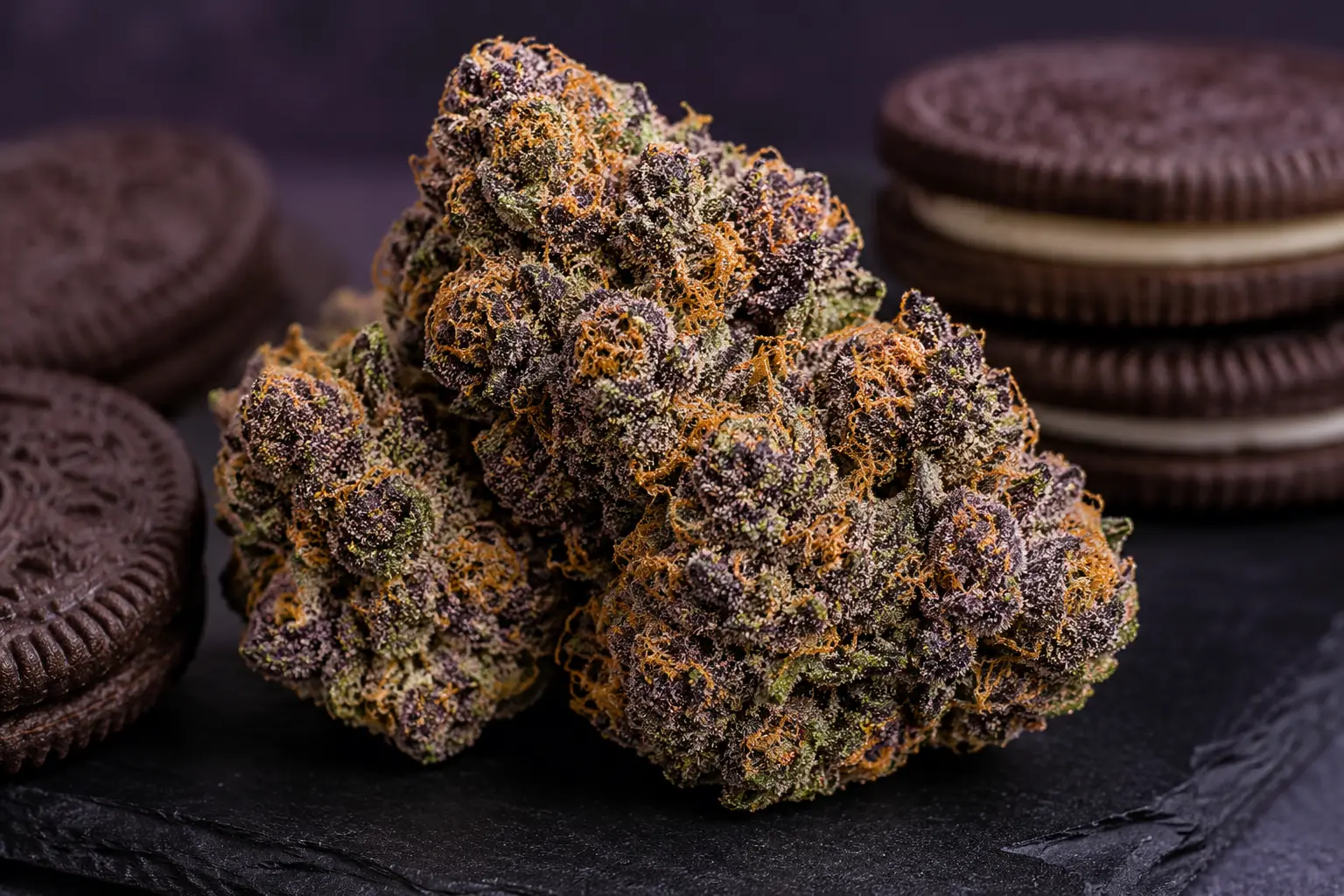
Oreoz, sometimes called Oreo Cookies, is a cannabis cultivar associated with a dessert-inspired aroma and flavor profile. Its recorded lineage includes Cookies and Cream and Secret Weapon, although details such as THC percentage, terpene concentration, and reported effects can vary between growers, phenotypes, and individual batches.

Below, you’ll find a practical guide to the Oreoz strain, including its genetics, expected effects, flavor, potency, possible side effects, and how to compare it with similar cultivars.

What Is the Oreoz Strain?

Oreoz is a hybrid cannabis cultivar known for dense flowers, strong THC levels in many commercial samples, and sweet, dessert-like flavor notes.

The cultivar is commonly associated with a cross between Cookies and Cream and Secret Weapon. The article identifies Archive Seed Bank as the developer, while other current cultivar references attribute Oreoz to 3rd Coast Genetics. Because cannabis genetics can be propagated and sold under different breeder or phenotype names, consumers should treat breeder information as cultivar-specific rather than assuming every product labeled Oreoz has identical genetics.

Quick Oreoz Strain Facts

Characteristic What to Know
Type Hybrid
Common name Oreoz / Oreo Cookies
Recorded lineage Cookies and Cream × Secret Weapon
THC Often reported in the high-teen to mid-20% range, depending on the product
CBD Generally low
Flavor Sweet, creamy, chocolate, vanilla, earthy or spicy
Commonly reported effects Relaxed, euphoric, happy, hungry
Best fit for People looking for a relaxing, flavorful cannabis experience

Cannabis labels should always be checked before purchasing because cannabinoid and terpene levels can differ considerably between batches. One cultivar database, for example, reports Oreoz around 20% THC, while commercial products can test higher.

What Does the Oreoz Strain Feel Like?

The Oreoz strain effects are generally described as relaxing, euphoric, and physically calming. Some users also report feeling happy, hungry, or pleasantly uplifted.

The experience can change depending on:

  • THC concentration
  • Amount consumed
  • Individual tolerance
  • Method of consumption
  • Previous cannabis experience
  • Other cannabinoids and terpenes in the product

For that reason, there is no single Oreoz experience that applies to everyone.

A higher-THC product may feel substantially stronger than a lower-potency flower sold under the same cultivar name.

1. Mental Effects

People who enjoy Oreoz often describe an initial sense of euphoria or mood elevation followed by a more relaxed state.

However, THC can also produce unwanted effects in some people, including anxiety, paranoia, impaired attention, or changes in perception. The response is highly individual.

2. Physical Effects

The later part of the experience is often described as more body-focused and relaxing.

That may make Oreoz appealing to people looking to unwind, particularly later in the day. It can also feel too heavy for someone who wants an energetic or highly functional daytime experience.

Is Oreoz an Indica or Sativa?

Oreoz is generally described as a hybrid, rather than a pure indica or sativa.

Some descriptions classify it as indica-dominant, while other cultivar references simply list it as a hybrid. This difference illustrates why the traditional indica/sativa labels are not always enough to predict how a particular cannabis product will feel.

The actual cannabinoid and terpene profile, THC concentration, dose, and individual response may be more useful when comparing products.

How Strong Is the Oreoz Strain?

Oreoz is generally considered a relatively potent cannabis cultivar, but its exact strength depends on the specific product.

The original source reports THC levels around 20–25%, while other current cultivar listings report approximately 20% or higher depending on the sample. These numbers should not be treated as a fixed characteristic of every Oreoz product.

If you are buying Oreoz flower, concentrate, or another cannabis product, look at the package’s laboratory-tested cannabinoid results rather than relying only on the strain name.

Why THC Percentage Matters

THC percentage tells you how much THC is present in the product, but it does not perfectly predict how the experience will feel.

Two products with similar THC levels can feel different because of differences in:

  • Terpene composition
  • Minor cannabinoids
  • Consumption method
  • Dose
  • Individual tolerance

This is one reason it is better to evaluate the complete product label instead of choosing cannabis solely by the highest THC number.

What Does Oreoz Taste Like?

The Oreoz strain flavor is one of its biggest attractions.

Its name reflects the dessert-like character often associated with the cultivar. Depending on the phenotype and product, people report notes such as:

  • Chocolate
  • Vanilla
  • Cream
  • Cookie dough
  • Earth
  • Spice
  • Citrus
  • Nuts

The precise flavor can change considerably from one grower to another because terpene production is influenced by genetics and cultivation conditions.

Oreoz Strain Aroma

Oreoz is often described as having a rich, sweet aroma with creamy and earthy characteristics. Some batches may lean more heavily toward chocolate and vanilla, while others can have stronger spicy, citrus, or herbal notes. This variation is normal. A strain name does not guarantee an identical terpene profile every time.

Which Terpenes Are Found in Oreoz?

Reported Oreoz profiles commonly include terpenes such as beta-caryophyllene and limonene, although the dominant terpenes can vary by phenotype and batch. Some commercial cultivar data also lists humulene among the major terpenes.

1. Beta-Caryophyllene

Beta-caryophyllene is associated with peppery and spicy aromas and occurs naturally in several plants.

2. Limonene

Limonene is known for its citrus-like aroma and is found in many plants, including citrus fruits.

3. Humulene

Humulene is associated with earthy, woody, and hop-like aromas.

It is worth keeping expectations realistic: terpene research is still developing, and it is too simplistic to say that the presence of one terpene guarantees a particular medical effect. Reviews of the so-called cannabis “entourage effect” have found that the evidence remains limited and sometimes contradictory.

Oreoz Strain Effects: What Users Commonly Report

Reported effects of Oreoz include:

  • Relaxation
  • Euphoria
  • Happiness
  • Physical calm
  • Increased appetite
  • A heavier, more comfortable feeling

These are descriptions of reported experiences, not guaranteed medical outcomes.

Your response can be different from another person’s response even when you use the same product.

Is Oreoz Good for Daytime Use?

It depends on the person and product, but Oreoz may not be the first choice for someone seeking a strongly energizing cannabis experience.

If the product is high in THC and produces noticeable physical relaxation, it may be more suitable for times when you do not need to drive, operate machinery, or perform tasks requiring full concentration.

Is Oreoz Good for Sleep?

Some cannabis consumers choose relaxing cultivars such as Oreoz as part of an evening routine.

However, it would be misleading to describe Oreoz as a proven treatment for insomnia. Research into cannabis and sleep is more complicated than simply assigning a sleep benefit to a particular strain. Individual responses also vary.

If you are considering cannabis for a sleep problem, discuss it with a qualified healthcare professional rather than using strain descriptions as a substitute for medical advice.

Can Oreoz Help With Pain or Stress?

Some people report using relaxing cannabis products when dealing with discomfort or stress.

However, Oreoz itself has not been established as a treatment for a specific medical condition through high-quality clinical trials. Most strain-specific claims come from consumer reports, product descriptions, or extrapolation from research on cannabis compounds rather than clinical trials of Oreoz itself.

That distinction is especially important when discussing medical cannabis.

Research on cannabis and cannabinoids continues to examine their potential therapeutic roles, but evidence for one named cultivar cannot automatically be applied to another product with a similar name or terpene profile.

Possible Side Effects of Oreoz

Because Oreoz can contain substantial amounts of THC, unwanted effects are possible.

Common cannabis-related side effects can include:

  • Dry mouth
  • Red or dry eyes
  • Dizziness
  • Increased heart rate
  • Drowsiness
  • Impaired coordination
  • Short-term changes in memory and attention
  • Anxiety or paranoia in some people

The likelihood of experiencing these effects can increase with higher THC exposure.

If cannabis makes you feel severely unwell, confused, extremely anxious, or otherwise unsafe, seek appropriate medical assistance.

Who Should Be Careful With a High-THC Strain?

Extra caution is appropriate for anyone who is inexperienced with THC or particularly sensitive to its effects.

You should also avoid driving or operating machinery after consuming cannabis because THC can impair coordination, attention, judgment, and reaction time.

People taking prescription medications should discuss potential cannabis interactions with a healthcare professional before using cannabis products.

Pregnant or breastfeeding people should also consult a healthcare professional about cannabis exposure.

Oreoz vs. Cookies and Cream

Cookies and Cream is one of the cultivars associated with Oreoz’s lineage, so it is a natural comparison.

Both are known for sweet, dessert-style flavor profiles. However, the products can differ substantially in THC content, terpene composition, and overall effects.

If you like the creamy, sweet character associated with Oreoz but want to compare a related cultivar, Cookies and Cream may be worth researching.

Oreoz vs. Gelato

Gelato is another popular dessert-style cannabis cultivar.

Both can have sweet, creamy flavor characteristics and can produce a combination of euphoric and relaxing effects. However, they are not interchangeable.

The best comparison is to look at the laboratory results for the actual products you are considering, including:

  • THC
  • CBD
  • Terpene profile
  • Total cannabinoids

What Makes Oreoz Popular?

Oreoz stands out mainly because it combines strong potency with a dessert-inspired sensory profile.

For consumers who care about flavor as much as effects, the combination of sweet, creamy, chocolate, and spicy notes can make the cultivar particularly appealing.

Its popularity also reflects the broader interest in dessert-style cannabis cultivars descended from well-known Cookie-family genetics.

Is Oreoz a Good Choice for Beginners?

Oreoz may not be the easiest starting point for someone who has little or no experience with THC, particularly when the product has a high THC concentration.

A new cannabis consumer may have a stronger response to THC than an experienced user expects.

If you are inexperienced, talk with a healthcare professional about whether cannabis is appropriate for you and what factors to consider when choosing a product.

Frequently Asked Questions About the Oreoz Strain

Is Oreoz indica or sativa?

Oreoz is generally categorized as a hybrid. Some sources describe it as indica-dominant, while others use a broader hybrid classification. The traditional labels do not fully predict the effects of a particular product.

What strain is Oreoz crossed with?

Oreoz is commonly associated with a Cookies and Cream × Secret Weapon lineage. Breeder and cultivar records can differ, so check the producer information for the specific product you are buying.

How much THC does Oreoz have?

There is no single THC percentage for all Oreoz products. Reported examples range from around 20% to the mid-20% range, but actual potency depends on the batch and producer. Always check the product’s laboratory test results.

What does Oreoz taste like?

Oreoz is commonly associated with sweet, creamy, chocolate, vanilla, earthy, and spicy notes. The exact flavor can vary according to the phenotype, cultivation methods, curing, and terpene profile.

What are the main Oreoz effects?

Reported effects include relaxation, euphoria, happiness, physical calm, and increased appetite. Individual experiences can differ significantly.

Is Oreoz good for anxiety?

It should not be described as a proven treatment for anxiety. THC can affect people differently and may worsen anxiety or paranoia in some individuals. Anyone considering cannabis for anxiety should discuss the option with a qualified healthcare professional.

Is Oreoz a strong strain?

Oreoz is often sold as a relatively high-THC cultivar. However, strength varies by product, so the laboratory-tested THC percentage is more useful than the strain name alone.

What strains are similar to Oreoz?

Cookies and Cream and Gelato are reasonable cultivars to compare because they can share dessert-style flavor characteristics. However, their actual effects and potency can differ by product.

Does Oreoz contain CBD?

Oreoz products are generally associated with low CBD levels, but the exact cannabinoid profile depends on the product. Check the package laboratory results for the most accurate information.

Final Thoughts

The Oreoz strain has built a following around its dessert-inspired flavor, hybrid genetics, and often substantial THC content. Its reported effects tend to lean toward relaxation and euphoria, although the experience can vary considerably from one person to another.

The most useful way to evaluate Oreoz is to look beyond the strain name. Check the actual THC and CBD levels, terpene profile, producer, and laboratory test results for the product you are considering.

And if you are considering cannabis for a medical condition, remember that a popular strain description is not the same thing as clinical evidence. A healthcare professional can help you determine whether cannabis is appropriate for your situation.
Sources

THC Chewing Gum: How It Works, Benefits, Risks & What to Know

THC Chewing Gum

THC chewing gum is a relatively uncommon means of cannabis consumption. Rather than smoking, vaping, or consuming a regular type of gummies, THC chewing gum involves the user putting a gum product containing tetrahydrocannabinol (THC), which is the main psychoactive substance in cannabis.

However, how exactly does the THC gum work? Is it faster than a regular cannabis edible? What are the duration and strength of its effects? Is it more convenient for managing the dosage?

All this depends on the composition of the product and how the body absorbs THC. Studies of orally consumed THC reveal great variations in terms of absorption time, thus making statements about exact effects unreliable.

In this article, you will learn what THC chewing gum is and what sets it apart from other cannabis products, their possible benefits and downsides, and what you should know about it as a consumer.

What Is THC Chewing Gum?

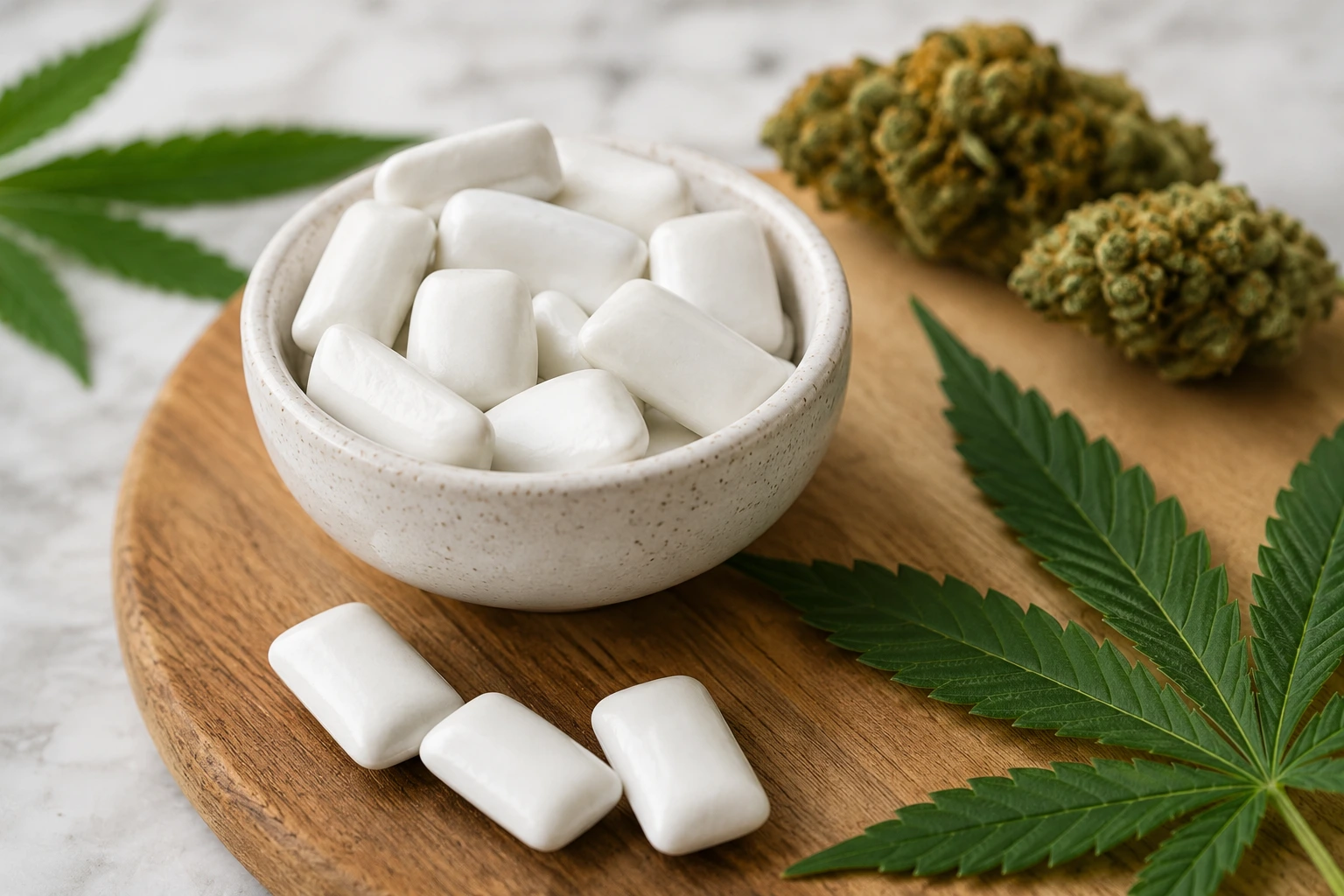
THC gum is an oral cannabis gum that is manufactured by using a specific dosage of THC.

Contrary to regular chewing gum, THC gum is manufactured in such a way that it helps release cannabinoids during chewing. Some of the cannabinoids would be dissolved in saliva and ingested while others would be absorbed through mouth membranes.

This makes THC gum distinct from a regular edible which would be consumed and absorbed through digestion process.

The amount of THC can vary significantly between products. Rather than assuming that every piece contains the same strength, check the package for:

  • THC per piece
  • Total THC in the package
  • Other cannabinoids, such as CBD
  • Serving size
  • Ingredients
  • Manufacturing or testing information
  • Recommended storage instructions

Product labeling and cannabis regulations also vary by location.

How Does THC Gum Work?

The principle behind the method is quite straightforward: chew the gum, activate THC, and absorb the cannabinoid through your system.

The next step after the above one might differ.

Some of the cannabinoids might be absorbed by tissues in the oral cavity, whereas the THC that is ingested is going to follow the gastrointestinal path. The oral THC, therefore, goes through the digestive tract and liver to reach the bloodstream.

That means that the mode of administration influences how fast effects set in and how long they last.

Studies that have been carried out into the oral consumption of cannabis have shown significant variations in the THC bioavailability and plasma concentrations in various products.

Will Chewing Increase the Speed of Effects from THC?

The answer is yes, but not every chewing THC gum will cause the effect in some fixed amount of minutes.

There are formulations that stimulate the absorption through the mouth, and there are those that act similar to traditional edibles. The user’s individual characteristics, ingredients of the product, duration of chewing, and presence of food might also influence the effect.

For that reason, don’t take an onset time provided in a publication for granted.

How Long Does THC Gum Take to Work?

It is difficult to provide a standard timeline for THC chewable gums.

Oral THC preparations have the possibility of a delayed onset and studies have shown that there is variability in the absorption of THC when taken orally.

This may lead to either an earlier effect than a conventional edible product, or one that resembles a conventional edible product in terms of its timing.

Several factors can influence the timing:

  • THC concentration
  • Product formulation
  • How the gum is consumed
  • Individual metabolism
  • Whether you recently ate
  • Cannabis tolerance
  • Other substances or medications

One important rule is not to assume the product is ineffective simply because you do not feel effects immediately. Taking additional THC too soon can result in stronger effects later.

Potential Benefits of THC Chewing Gum

THC gum is not always superior to other cannabis products. There are a number of reasons why one might find such a product appealing.

1. It Is Not Associated With Smoking

Unlike smoking, the consumption of THC gum is not associated with any combustion or inhalation of smoke.

Those people who choose to avoid smoking might appreciate this feature. But that does not mean that such a product is safe. In addition to the potential risks that can be associated with consuming cannabis in general, one will not have to worry about any smoke.

2. THC Gum Can Be Discreet

As it does not produce any smoke and vapor, THC gum can be more discrete than smoking and vaping.

This does not mean that such a product can be consumed anywhere one wishes. THC gum, like all cannabis products, must be consumed in accordance with the applicable laws.

3. One Can Measure the Potency

Unlike many homemade cannabis-based products, commercial THC products come with appropriate labeling.

The presence of such labeling allows a person to understand the amount of THC that one consumes. This makes THC gum easier to control than, for instance, homemade cookies or brownies.

But the labeling cannot be considered an indication of how strong an effect will have on a consumer.

4. People Who Do Not Like Edibles Might Find THC Gum Appealing

One can find the taste of gummies or chocolate candies unpleasant. THC gum can be a suitable alternative.

5. No Smoke, No Odor

Since there is no burning, this kind of product will not generate any odor, which is often associated with smoking.

Possible Drawbacks of THC Chewing Gum

THC gum also has limitations. It should not be viewed as a risk-free alternative to other cannabis products.

1. Effects Can Be Difficult to Predict

One of the biggest challenges with oral THC is variability.

Research has found that orally administered THC can have highly variable pharmacokinetics, meaning the amount absorbed and the timing of effects can differ between people and formulations.

This makes it difficult to promise an exact onset time or duration.

2. Taking More Too Soon Can Backfire

Delayed effects are a common concern with edible cannabis.

A person may think, “This isn’t working,” and consume more. The first dose may then take effect later, resulting in a much stronger experience than intended.

Research on cannabis edibles has specifically highlighted delayed onset as a factor that can contribute to unintended overconsumption.

3. THC Can Affect Coordination and Judgment

THC can impair attention, reaction time, memory, coordination, and decision-making.

For that reason, someone who has consumed THC should avoid driving or operating machinery while impaired. Cannabis can affect people differently, and feeling comfortable does not necessarily mean that coordination and judgment are unaffected.

4. Chewing May Cause Jaw Discomfort

Like regular chewing gum, THC gum requires repetitive chewing.

People who already experience jaw tension or temporomandibular joint problems may find prolonged chewing uncomfortable.

5. Product Selection May Be Limited

THC chewing gum is a much smaller category than cannabis gummies, capsules, tinctures, or other products.

Depending on where you live, you may find relatively few choices in:

  • THC strength
  • Flavors
  • THC-to-CBD ratios
  • Package sizes
  • Brands

Availability also depends on local cannabis regulations.

THC Gum vs. Traditional Edibles

The biggest difference is how the product is consumed and absorbed.

Feature THC Chewing Gum Traditional Edible
Form Chewing gum Gummies, chocolates, baked goods, etc.
Smoking required No No
THC swallowed Often Yes
Oral absorption May occur depending on formulation Usually less significant
Onset Can vary Often delayed
Duration Product-dependent Often several hours
Dose labeling Depends on product Depends on product
Discretion Generally high Generally high

Traditional oral cannabis has been studied more extensively than THC chewing gum specifically. Therefore, it is better to use general oral-THC research to understand the basic pharmacology while recognizing that a particular gum product may behave differently.

THC Gum vs. Smoking or Vaping

Smoking/vaping is an inhaled mode of administering the drug whereas THC gum is an oral drug.

Inhalation of cannabis usually leads to quick onset compared to oral ingestion of THC. This is because, in the inhalation mode of administration, the cannabinoids are absorbed through the lungs into the blood stream.

The benefit of using THC gum is that one does not have to inhale any substance.

This mode of administration is not better than the other one automatically. It all depends on various factors such as an individual’s medical conditions.

How Much THC Is in THC Gum?

There is no standard amount of THC in all cannabis gum pieces.

The concentration may differ in different products, and hence it is necessary to read the packaging label.

For those who are not aware of the product, it is essential not to assume that the THC level of the gum is the same as that of other cannabis products such as a gummy or tincture that you have tried before. This is particularly important for cannabis users for medicinal purposes.

What Should You Look for When Choosing THC Gum?

If THC gum is legal and available where you live, product quality matters.

Before purchasing, check for:

1. Clear THC labeling

The package should clearly state the amount of THC per serving and the total amount in the package.

2. Independent laboratory testing

Where required or available, look for information showing that the product has been tested for cannabinoid content and contaminants.

3. A complete ingredient list

Review the ingredients for allergens, sweeteners, artificial ingredients, and anything else you may need to avoid.

4. Legal compliance

Only purchase cannabis products through legal channels where they are permitted. Cannabis laws differ significantly between states and countries.

5. Appropriate packaging

Cannabis products should be stored securely and kept away from children and pets.

Is THC Chewing Gum Safe?

There is no simple yes-or-no answer.

THC products can cause unwanted effects, and cannabis use carries health risks regardless of the consumption method. The CDC notes that cannabis can affect the brain and body and that some users can develop cannabis use disorder.

Potential short-term effects can include:

  • Drowsiness
  • Dizziness
  • Impaired coordination
  • Changes in attention and memory
  • Increased heart rate
  • Anxiety or paranoia
  • Confusion, particularly after consuming too much THC

The risk can vary depending on THC concentration, frequency of use, personal tolerance, age, other substances, and individual health factors.

The FDA also emphasizes that most cannabis and cannabis-derived products available commercially have not been approved by the agency to treat or cure diseases.

Who Should Avoid THC Products?

Certain people should be especially cautious about THC.

The FDA strongly advises against using THC or cannabis products during pregnancy and while breastfeeding because of potential risks to the developing fetus or infant.

You should also discuss cannabis use with a healthcare professional if you:

  • Take prescription medications
  • Have a history of significant heart problems
  • Have experienced severe anxiety or psychosis
  • Are pregnant or breastfeeding
  • Are under the legal age for cannabis use in your location
  • Are unsure whether cannabis is appropriate for your medical condition

Do not use THC as a substitute for prescribed treatment without speaking with your healthcare provider.

What Happens If You Take Too Much THC Gum?

Taking more THC than intended can lead to an unpleasant experience.

Possible effects include intense anxiety, confusion, dizziness, impaired coordination, excessive sleepiness, or a rapid heartbeat.

If you have consumed too much THC, avoid taking additional cannabis or other intoxicating substances. Move somewhere safe and calm, and avoid driving.

If symptoms are severe, unusual, or you are concerned about someone’s safety, seek appropriate medical assistance.

Does THC Gum Get You High?

It could.

If the THC in the gum is sufficient to induce psychoactive reactions, one will get the “high” feeling from the THC.

This will depend on the quantity used, one’s tolerance level and other things.

Cannabidiol gum is different because cannabidiol does not cause the same type of “high” as THC. But there are still risks that come with the use of cannabidiol products, including their interaction with prescription drugs. The FDA has expressed concerns regarding many unapproved cannabidiol products.

Can THC Gum Be Used for Medical Cannabis?

Other people might be attracted to THC gums because of their preference of an oral means of consuming cannabis.

It is important to note that the presence of a drug containing THC does not necessarily mean that the drug has been clinically tested and found to be an effective solution for a certain health condition. While the FDA has not approved the use of cannabis for any condition, some cannabinoid medications have been approved by the agency.

If you are planning to take THC for medical purposes, consult a health care professional first.

Frequently Asked Questions About THC Chewing Gum

What is THC chewing gum?

THC chewing gum is gum infused with tetrahydrocannabinol (THC). Depending on the formulation, THC can be released while chewing and absorbed through the mouth and/or swallowed and absorbed through the digestive system.

How quickly does THC gum work?

There is no guaranteed timeline. Oral THC absorption varies between products and individuals, and research has found considerable variability in how quickly and how strongly oral THC reaches the bloodstream.

How long do THC gum effects last?

The duration varies according to the product, THC concentration, dose, metabolism, and individual response. It is not appropriate to assume that every THC gum product will last for the same number of hours.

Is THC gum stronger than regular edibles?

Not necessarily. THC potency depends on the amount of THC in the product and how efficiently the body absorbs it. A different route of absorption does not automatically mean a product is stronger.

Can you swallow THC gum?

Follow the product’s instructions. Some THC gums are designed to be chewed and swallowed like ordinary gum, while formulations can differ. Always read the manufacturer’s directions rather than assuming every product works the same way.

Is THC gum safer than smoking cannabis?

It avoids inhaling smoke, but that does not mean it is risk-free. THC can still impair coordination and judgment and may cause unwanted psychological or physical effects.

Can THC gum cause a positive drug test?

Yes. If the product contains THC, its use can result in THC or THC-metabolite exposure that may be detected by drug testing. A product being consumed as gum rather than smoked does not eliminate this possibility.

Can you drive after using THC gum?

You should not drive while impaired by THC. Because oral THC can have delayed and variable effects, waiting until you are certain you are no longer impaired is essential.

Final Thoughts

THC gum provides yet another means of using cannabis without inhalation. This product’s discrete design and precise labeling might be desirable for some consumers, and its oral administration creates a unique effect of the cannabis product.

On the other hand, it cannot be claimed that this cannabis product is always safer or more predictable than any other cannabis product. Ingested THC tends to act in a delayed and variable fashion, thus making it especially essential to consider the labeling of the product and to refrain from ingesting more THC just because no effect has been noticed yet.

In case you consider using THC for medicinal purposes, you need to consult a healthcare provider and discuss whether cannabis is right for you.

Sources

How to Enhance Your Cannabis High: Safer Tips, Foods & What to Know

how to enhance your

When your experience from using marijuana starts to seem less powerful or lasts for a shorter time period, you might be wondering what you can do to get a better high without just increasing your THC intake.

There are quite a few things that can affect how using marijuana feels, such as your tolerance, the strength of the weed, your method of intake, your environment, your food intake, and your own reaction to THC. Some common online suggestions for boosting your high are scientifically backed up, while some are mostly user experiences.

It is best to avoid pursuing an excessively strong high at any cost.

How to Enhance Your High Without Simply Taking More Cannabis

Before changing your dose, consider the factors that may already be affecting your experience.

Your response to cannabis can vary depending on the THC concentration, how you consume it, how often you use cannabis, your previous experience, and whether you combine it with other substances. The CDC also notes that edibles and high-THC products can have delayed or unpredictable effects.

Here are some practical things to consider:

  • Give yourself enough time to feel the effects before deciding you need more.
  • Avoid mixing cannabis with alcohol or other intoxicating substances.
  • Pay attention to the THC strength of the product.
  • Use cannabis in a comfortable environment.
  • Stay hydrated.
  • If your tolerance has increased, consider reducing your frequency rather than continually increasing your dose.
  • Avoid driving or doing anything that requires quick reactions while impaired.

1. Understand Your Cannabis Tolerance

Tolerance is considered to be one of the primary factors that may make a known cannabis product less potent.

Repeated cannabis use may affect the response to THC in the body. The low-risk cannabis use guidelines suggest avoiding both frequent cannabis use and highly potent cannabis products since these characteristics are linked to higher chances of negative effects.

In case you use cannabis often and require increasingly large doses to achieve the same effect, then it would probably be more beneficial to take a break or decrease the frequency of cannabis use rather than keep increasing the dose.

What Does Tolerance Break Mean?

Tolerance break is also referred to as “T-break.” This is just taking time off from cannabis.

It is impossible to say how many days would suit every individual. Previous cannabis use history, its frequency and biological peculiarities may affect your sensitivity change.

Should you use cannabis for medical purposes, please consult your doctor before making any major changes to your routine.

2. Choose the Right THC Strength for Your Experience

More THC does not automatically mean a better experience.

Higher-potency cannabis can produce stronger intoxicating effects, but it can also increase the likelihood of unwanted effects such as anxiety, confusion, dizziness, and impaired coordination. The CDC specifically identifies high-THC products as having greater risks, particularly when the dose is difficult to judge.

Instead of automatically choosing the strongest product available, consider what type of experience you actually want.

For example:

  • Lower THC: May be easier to control for people who are sensitive to cannabis.
  • Balanced THC/CBD products: May provide a different experience than THC-dominant products.
  • High THC: Can produce stronger effects but also carries a greater risk of uncomfortable intoxication.

If you are new to cannabis, starting with a lower-potency product is generally a more cautious approach.

3. Pay Attention to the Consumption Method

The way cannabis enters your body affects how quickly the effects begin and how long they last.

Inhaled cannabis generally produces effects sooner than edibles. Edibles can take much longer to produce noticeable effects and may last considerably longer. The delayed onset is one reason people sometimes consume more before the first dose has fully taken effect.

(a) Smoking and vaping

Inhaled cannabis tends to produce effects relatively quickly. This can make it easier to judge the experience before deciding whether you want to continue.

However, inhaling cannabis is not risk-free. Smoking exposes the lungs to combustion products, while vaping products can vary considerably in quality and formulation.

(b) Edibles

Edibles require more patience.

The CDC states that edible cannabis can take 30 minutes to 2 hours to produce intoxicating effects, and the effects can last longer than expected.

For this reason, taking additional edible doses too quickly is a common way people end up much more intoxicated than intended.

Do not assume that a delayed effect means the first dose did not work.

4. Give Your Body Time Before Taking More

One of the simplest ways to improve a cannabis experience is to avoid rushing it.

This is particularly important with edibles. Because the effects can take up to two hours to become noticeable, consuming more before the initial dose has taken effect can result in excessive intoxication.

Instead of trying to make the high arrive faster, allow the product enough time to work. A slower experience is often easier to manage than one that becomes unexpectedly intense.

5. Eat a Balanced Meal and Stay Hydrated

Food can affect how cannabis feels, particularly with oral products.

Rather than relying on a specific “magic food,” think about your overall condition before consuming cannabis. Being hungry, thirsty, tired, or uncomfortable can make the experience feel different.

Keeping water nearby can also help with common physical effects such as dry mouth. Hydration does not remove THC from your body or make you sober. It simply helps you stay comfortable.

A light, balanced meal may also be preferable to consuming cannabis when you are extremely hungry.

6. What About Mangoes and Cannabis?

Mango is one of the most popular foods associated with the idea of enhancing a cannabis high.

The theory comes from myrcene, a terpene found in mangoes as well as many cannabis varieties. However, the popular claim that eating a mango before cannabis will reliably make you significantly higher has not been firmly established in human research.

That means mango can be enjoyed as part of a normal diet, but it should not be treated as a proven THC booster.

The same principle applies to many viral cannabis tips: a plausible biological mechanism does not necessarily mean a noticeable effect will occur in real people.

7. Cannabis Terpenes May Change the Experience

Terpenes are aromatic compounds found in cannabis and many other plants.

You may hear people describe strains using terms such as:

  • Myrcene
  • Limonene
  • Pinene
  • Linalool
  • Beta-caryophyllene

These compounds contribute to aroma and flavor, and researchers are investigating how cannabinoids and terpenes may interact.

However, strain names and terpene labels should not be treated as guarantees of a particular effect. Two products with similar THC percentages can feel different, but individual responses vary.

If you are comparing products, looking beyond THC percentage can help you understand what you are actually consuming.

8. Your Environment Can Change the Experience

Your surroundings can have a major influence on how comfortable your cannabis experience feels.

If you are already stressed, surrounded by unfamiliar people, or worried about something, cannabis may make those feelings more noticeable.

A calmer setting can make it easier to relax and pay attention to how you feel.

Before using cannabis, consider:

  • Are you somewhere safe?
  • Are you around people you trust?
  • Do you have water available?
  • Do you have a comfortable place to sit or lie down?
  • Do you have enough time to relax without needing to drive or work?

This is particularly useful for people who are sensitive to THC-related anxiety.

9. Avoid Mixing Cannabis With Alcohol

If your goal is a more predictable cannabis experience, alcohol is one combination worth avoiding.

The CDC warns that combining cannabis with alcohol can increase impairment. Alcohol can also make it harder to judge how intoxicated you are. What begins as a mild experience can become much stronger than expected.

If you want better control over your cannabis experience, using cannabis without alcohol is the safer choice.

10. Don’t Hold Cannabis Smoke in for a Longer High

A common cannabis myth is that holding smoke in your lungs for an extended period will produce a stronger high.

There is no good reason to deliberately hold smoke in for a long time.

Doing so can increase exposure to irritating smoke without providing a reliable way to make the experience better. Cannabis smoke contains many of the same irritants and toxins found in tobacco smoke.

If you inhale cannabis, avoid deliberately holding your breath to try to intensify the effects.

11. Be Careful With Caffeine

Coffee and cannabis are sometimes combined because some people enjoy the combination of relaxation and alertness.

But caffeine can also increase feelings such as:

  • Nervousness
  • Restlessness
  • Rapid heartbeat
  • Jitters

If THC already makes you anxious or causes your heart to race, adding a large amount of caffeine may make the experience less comfortable.

There is no need to add caffeine simply to make cannabis feel stronger.

12. Don’t Chase a Stronger High With Concentrates

Cannabis concentrates can contain very high levels of THC.

Products such as concentrates, oils, and extracts can produce substantially stronger exposure than traditional flower. The CDC notes that highly concentrated THC products carry additional risks.

If your current cannabis experience feels weaker, immediately switching to a much more potent product is not necessarily the best solution.

A better first step is to understand your tolerance, consumption pattern, product potency, and desired effects.

What If You Get Too High?

Sometimes the goal is not to enhance the high. It is to make an unexpectedly intense experience more manageable.

If you feel overwhelmed:

1. Find a calm environment

Move somewhere quiet and comfortable. Reduce loud sounds, bright lights, and unnecessary stimulation.

2. Drink some water

Small amounts of water can help with dry mouth and general discomfort.

3. Remind yourself that the effects are temporary

Cannabis intoxication can feel intense, especially after consuming too much THC. Avoid panicking and give your body time to process it.

4. Don’t take more cannabis

Adding another dose because you are worried the effects will not end can make the situation worse.

5. Avoid alcohol or other drugs

Do not attempt to counteract cannabis by taking another intoxicating substance.

6. Get medical help when necessary

If someone has severe symptoms, loses consciousness, has trouble breathing, experiences a seizure, or you believe they may have been poisoned, seek emergency medical assistance.

Can You Make a Cannabis High Last Longer?

There is no guaranteed method for extending a high safely.

The duration depends on several factors, including the product, dose, route of administration, tolerance, and individual metabolism. Edibles generally have a slower onset and longer-lasting effects than inhaled cannabis, but they can also be less predictable.

Trying to force a longer high by repeatedly consuming more THC can increase the chance of unwanted effects. If you want a more predictable experience, learning how your chosen product affects you is more useful than constantly increasing the amount.

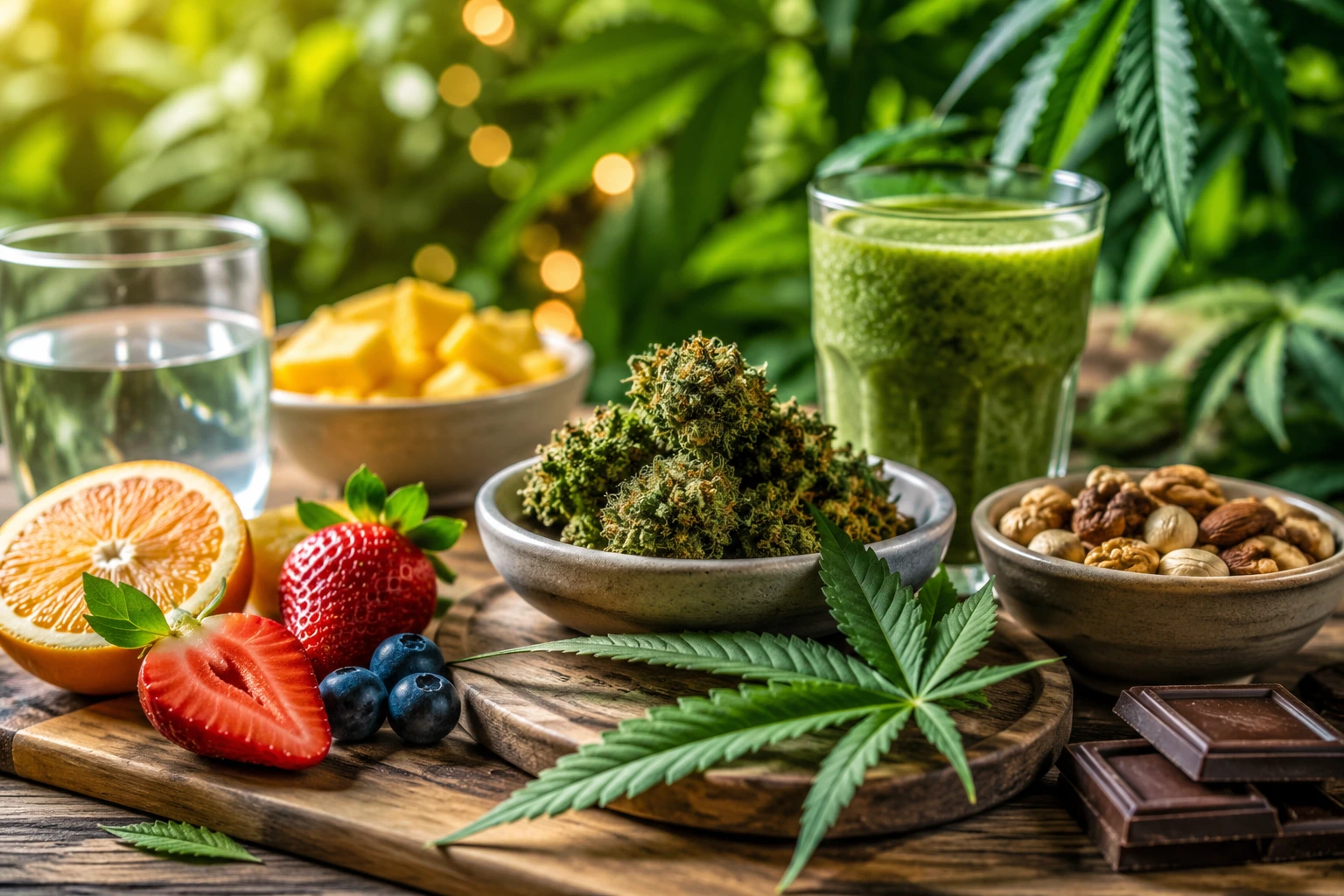
What Foods Are Supposed to Enhance a High?

You will find many online claims about foods that supposedly make cannabis stronger.

Common examples include:

  • Mango
  • Dark chocolate
  • Nuts
  • Eggs
  • Coffee
  • Green tea
  • Certain fruits
  • Foods containing healthy fats

Some of these claims have plausible biological explanations, but evidence that they reliably make people significantly more intoxicated is limited.

Food can certainly affect the experience of cannabis, especially edible cannabis, but there is no scientifically established “best food” for making everyone higher.

What About Black Pepper for Cannabis Anxiety?

Black pepper is another popular cannabis tip.

It contains compounds such as beta-caryophyllene, which has attracted scientific interest because of its interaction with the endocannabinoid system.

However, that does not mean chewing black pepper is a proven treatment for cannabis-induced anxiety or excessive intoxication.

If cannabis consistently causes anxiety or paranoia, the better solution is usually to reconsider the product, dose, frequency, or whether cannabis is appropriate for you.

How Long Does a Cannabis High Usually Last?

There is no single timeline that applies to everyone.

The route of administration makes a major difference. Inhaled cannabis generally takes effect faster, while edible cannabis can take longer to begin and may last much longer.

Your experience can also change depending on:

  • THC concentration
  • Amount consumed
  • Frequency of use
  • Food intake
  • Individual metabolism
  • Previous cannabis experience
  • Other substances used at the same time

This is why taking more simply because you do not feel an effect yet can be risky, especially with edibles.

Does Taking a Tolerance Break Make Cannabis Feel Stronger?

It can.

Frequent cannabis use can lead to tolerance, meaning the same amount may produce less noticeable effects over time.

Reducing frequency or taking a break may help decrease tolerance for some people. Evidence-based lower-risk cannabis guidelines also recommend avoiding frequent use and high-potency products.

If you use cannabis medically, however, do not change your treatment plan without discussing it with your healthcare provider.

Is a Stronger High Always Better?

Not necessarily.

A stronger high can also mean:

  • More impaired coordination
  • Slower reaction time
  • Greater difficulty concentrating
  • Increased anxiety
  • Dizziness
  • Confusion
  • Greater risk of consuming more than intended

The CDC notes that cannabis can impair skills needed for safe driving and that combining cannabis with alcohol can increase impairment.

For many people, the best cannabis experience is not the strongest one. It is the one that provides the desired effects while remaining manageable.

Frequently Asked Questions

What is the best way to enhance your high?

There is no single proven method. Understanding your tolerance, choosing an appropriate THC potency, using a comfortable setting, staying hydrated, and avoiding alcohol can help make the experience more predictable.

Does eating mango really make you higher?

Mango contains myrcene, which is why it is often associated with cannabis. However, there is not enough human evidence to say that eating mango reliably makes a cannabis high stronger.

Does holding smoke in make you higher?

Holding cannabis smoke in for longer is not a reliable way to increase the effects. It can expose your lungs to additional irritants without providing a dependable benefit.

Does CBD make a THC high stronger?

CBD and THC interact with the body differently, and the relationship between the two is complex. CBD should not be assumed to make THC more intoxicating. Some research suggests CBD may influence certain THC effects, but responses depend on dose and individual factors.

Why doesn’t cannabis get me as high as it used to?

Tolerance is one possible reason, especially if you use cannabis frequently. Product potency, consumption method, dose, and individual differences can also affect how cannabis feels.

Can alcohol make a cannabis high stronger?

Alcohol can increase impairment when combined with cannabis and may make the overall experience more difficult to predict. The CDC recommends avoiding combinations that increase impairment.

What should I do if I get too high?

Stop consuming cannabis, move somewhere quiet and safe, drink some water, and give yourself time to recover. Avoid alcohol and other drugs. If severe or concerning symptoms develop, seek medical help.

Can you drive after enhancing your high?

No. If you are intoxicated, do not drive. Cannabis can slow reaction time, impair coordination, affect decision-making, and alter perception.

The Bottom Line

If you are searching for how to enhance your high, you do not necessarily need more cannabis.

Your tolerance, THC potency, consumption method, food, surroundings, and overall state can all influence the experience. Some popular ideas—such as mangoes, specific foods, or terpene combinations are interesting but should not be presented as guaranteed ways to become more intoxicated.

For a safer and more predictable experience, focus on moderation, understand the product you are using, avoid mixing cannabis with alcohol or other drugs, and give edibles plenty of time to take effect.

Most importantly, stronger does not always mean better. If cannabis regularly causes anxiety, severe discomfort, or a need to continually increase your dose, consider talking with a healthcare professional about whether your current approach is appropriate.

Sources

How Long Does Cannabis High Last? Effects, Timing, Edibles & What to Expect

How Long Does Cannabis High Last

If you are wondering how long does cannabis high lasts, there is no single answer that applies to everyone. The experience depends on how cannabis was consumed, how much THC was taken, the product’s potency, your tolerance, and individual factors such as metabolism.

For many people, the noticeable effects from inhaled cannabis last around 1–3 hours, while edibles can produce effects for several hours and sometimes much longer. Research shows that oral cannabis generally has a slower onset and longer-lasting effects than inhaled cannabis.

The important part is that feeling less high does not necessarily mean that all effects have disappeared. If you still feel impaired, avoid driving, operating machinery, or doing anything that requires quick reactions and good judgment.

How Long Does Cannabis High Last?

The answer mainly depends on the method of consumption.

Cannabis method When effects may begin Typical duration of noticeable effects
Smoking Seconds to minutes About 1–3 hours
Vaping Minutes About 1–3 hours
Edibles About 30 minutes–2 hours Roughly 4–12 hours
Oral cannabis products About 30 minutes–2 hours Several hours
Topical products Varies Usually do not produce a traditional high

These are general ranges, not guarantees. The National Academies reports that inhaled cannabis can produce intoxicating effects within seconds to minutes and generally lasts about 1–3 hours. Oral THC takes longer to produce effects and can last roughly 4–12 hours depending on factors such as dose and formulation.

Why can the same cannabis product affect people differently?

Two people can use the same product and have very different experiences. Factors that can change the intensity or duration include:

  • THC concentration
  • Amount consumed
  • Method of consumption
  • Previous cannabis use and tolerance
  • Individual metabolism
  • Whether an edible was taken with food
  • Other medications or substances
  • Alcohol use
  • The formulation of the cannabis product

The route of administration is particularly important because inhaled THC reaches the bloodstream much faster than orally consumed THC.

How Long Does Cannabis High Last When You Smoke?

Smoking cannabis produces effects relatively quickly because THC is absorbed through the lungs.

You may notice effects within seconds to a few minutes, with effects often becoming strongest during the first part of the experience. Research has found that THC concentrations in the blood rise rapidly after inhalation, with peak levels occurring within minutes.

For many people, the main intoxicating effects fade within approximately 1–3 hours.

However, that does not mean every person will feel completely normal after three hours. A stronger product, larger amount, or individual sensitivity can make the experience last longer.

What does a cannabis high feel like?

The experience varies, but THC may cause effects such as:

  • Relaxation or euphoria
  • Altered sense of time
  • Increased appetite
  • Changes in sensory perception
  • Sleepiness
  • Reduced attention
  • Short-term memory problems
  • Slower reactions
  • Anxiety or paranoia in some people

The same person may also experience different effects on different occasions.

How Long Does Cannabis High Last From Vaping?

Vaping THC also produces relatively fast effects because cannabinoids enter the bloodstream through the lungs.

The timing is broadly similar to smoking, although the actual experience can vary depending on the device, concentrate, THC concentration, inhalation pattern, and amount consumed.

Research shows that inhaled THC can reach peak blood concentrations within approximately 3–10 minutes, although individual results vary.

Because some vape products contain highly concentrated cannabis extracts, the amount of THC delivered can be quite different from one product to another. This can make the experience feel stronger or last longer than expected.

How Long Does an Edible High Last?

Edibles are different from smoking or vaping. When you eat cannabis, THC must pass through the digestive system before it reaches the bloodstream. This creates a much slower onset.

You may not feel anything for 30 minutes to 2 hours, and peak effects can occur later. Once the effects begin, they can last for 4–12 hours, depending on the dose and other factors. This delayed timing is one of the biggest reasons people accidentally consume more THC than intended.

For example, someone might eat an edible and think, “Nothing is happening.” If they take another dose before the first one has fully taken effect, the combined amount may produce much stronger and longer-lasting effects.

The CDC specifically warns that edible cannabis can take 30 minutes to 2 hours to produce intoxicating effects and can last longer than expected.

Why do edibles last longer?

Orally consumed THC is processed differently from inhaled THC. The liver converts THC into metabolites, including 11-hydroxy-THC, which is psychoactive. Oral cannabis also has delayed absorption and undergoes first-pass metabolism in the liver.

That combination helps explain why an edible can take longer to kick in but remain noticeable for much longer.

What Factors Affect How Long a Cannabis High Lasts?

There is more to duration than simply “how much cannabis did you use?”

1. THC potency

A product containing a higher concentration of THC can produce stronger effects, particularly when a larger amount is consumed.

Higher THC exposure can also increase the chance of unwanted effects such as anxiety, confusion, or an uncomfortable level of intoxication.

2. How much you consume

The amount of THC matters. A small amount and a large amount are unlikely to produce the same experience. With edibles, the total THC content can be especially important because the effects may take a while to appear.

3. Your tolerance

People who use cannabis frequently may experience different effects from occasional users. Tolerance can develop with repeated use, meaning someone may need more cannabis to experience the same effects.

That does not mean higher amounts are necessarily safer.

4. Method of consumption

Smoking and vaping generally act faster and wear off sooner than edible products.

This is one of the most reliable differences between cannabis consumption methods.

5. Food and digestion

The timing and intensity of an edible can be affected by whether you have eaten, along with other factors affecting digestion and absorption. The CDC notes that food, medications, alcohol, and the amount consumed can all influence how long edible effects last.

6. Other substances or medications

Combining cannabis with alcohol or other substances can change the experience and may increase impairment.

If you take prescription medications, ask your healthcare professional or pharmacist about possible interactions before using cannabis. Cannabinoids can interact with drug-metabolizing enzymes, which may affect the levels or effects of some medications.

Cannabis High vs. THC Staying in Your Body

These are two different things.

You can stop feeling high while THC or its metabolites remain detectable in your body.

THC is highly lipid-soluble and can be stored in fatty tissues. Because of this, THC and its metabolites may remain in the body well after the noticeable effects have ended.

This means:

Feeling sober ≠ having no THC in your body.

It also means a drug test cannot simply tell you exactly when you last used cannabis or whether you are currently impaired. THC can remain detectable after the period of intoxication has passed.

How Long Does It Take to Feel Normal After Cannabis?

There is no exact “sobering up” timer for cannabis.

Someone may feel noticeably better after the main effects wear off but still experience:

  • Tiredness
  • Difficulty concentrating
  • A feeling of mental fog
  • Sleepiness
  • Reduced coordination
  • Changes in attention or reaction time

The safest approach is to give yourself enough time to feel fully alert before doing anything that requires concentration or coordination.

Can you speed up a cannabis high?

There is no reliable trick that instantly removes THC’s effects.

If you feel uncomfortably high, focus on staying somewhere safe and comfortable. Avoid taking more cannabis or adding alcohol or other drugs.

Simple steps that may help you cope while the effects wear off include:

  • Stay somewhere calm and familiar.
  • Drink water if you are thirsty.
  • Rest and avoid unnecessary physical activity.
  • Stay around someone you trust if you feel anxious.
  • Remind yourself that the effects will eventually decrease.
  • Avoid driving or operating machinery.

Do not rely on coffee, a cold shower, exercise, or other internet “sobering up” hacks to make you safe to drive.

Can You Drive After the High Wears Off?

If you are still experiencing effects, do not drive.

Cannabis can affect reaction time, decision-making, coordination, perception, and other skills needed for safe driving. The CDC recommends not driving while impaired by cannabis or other drugs.

Another important point is that there is no simple THC blood level that can tell an individual driver exactly how impaired they are. The relationship between THC concentration and driving impairment is more complicated than a simple alcohol-style measurement.

If you have used cannabis and need to travel, arrange a sober driver, rideshare, taxi, or another safe option.

What If You Feel Too High?

An uncomfortable cannabis experience can include intense anxiety, panic, confusion, dizziness, rapid heart rate, or paranoia. If this happens, stay in a safe environment and avoid taking additional cannabis or other intoxicating substances.

Edibles deserve particular caution because their delayed effects can lead people to consume more THC before the first dose has fully taken effect.

Seek urgent medical attention if someone has severe symptoms, loses consciousness, has trouble breathing, experiences a seizure, or otherwise appears seriously ill.

Does CBD Make a Cannabis High Go Away?

CBD and THC are different cannabinoids, and CBD is not a guaranteed way to stop a THC high.

Research into how CBD changes the effects of THC is still developing, and the outcome can depend on the amount and ratio of each cannabinoid, the product, and the individual.

Rather than relying on CBD as an “antidote,” the safer approach is to stop consuming THC, remain in a safe environment, and allow the effects to wear off.

Frequently Asked Questions

How long does a cannabis high last for the first time?

A first-time user may experience cannabis differently from someone with established tolerance. The effects can last for a few hours, and edibles may last considerably longer. There is no guaranteed timeline because dose, THC potency, consumption method, and individual response all matter.

Does smoking or eating cannabis last longer?

Eating cannabis generally lasts longer. Inhaled cannabis acts quickly and commonly produces noticeable effects for around 1–3 hours. Edibles have a slower onset and can produce intoxicating effects for roughly 4–12 hours.

How long does a weed high last from an edible?

An edible can begin producing effects in about 30 minutes to 2 hours, while the intoxicating effects can continue for several hours. Research and public-health guidance commonly place the duration around 4–12 hours, depending on the dose and individual circumstances.

Can a cannabis high last all day?

It can happen, particularly after consuming a large amount of THC, using a high-potency product, or taking an edible. Some people may also continue feeling residual effects such as tiredness or mental fog after the strongest part of the high has passed.

Why do edibles feel stronger or last longer?

Edibles are processed through the digestive system and liver before THC reaches circulation. This creates a delayed onset and produces active metabolites, contributing to a longer-lasting experience compared with inhalation.

Does your tolerance change how long a cannabis high lasts?

Tolerance can change how strongly someone experiences cannabis. Frequent use may reduce the perceived effects of a given amount, although tolerance does not make cannabis risk-free.

Can you still be impaired after you stop feeling high?

Yes. The strongest subjective effects may have faded while some impairment remains. If you do not feel completely alert and capable of making quick decisions, do not drive or operate machinery.

How long does THC stay in your body?

That is different from how long the high lasts. THC and its metabolites can remain in the body considerably longer than the intoxicating effects. Detection time varies based on the type of test, frequency of use, amount consumed, and individual factors.

The Bottom Line

So, how long does a cannabis high last? For inhaled cannabis, the main intoxicating effects often last around 1–3 hours. Edibles usually take longer to start but can last approximately 4–12 hours. These are general ranges, not exact guarantees.

The biggest factors are the amount of THC, product potency, consumption method, tolerance, and individual response.

If you have consumed cannabis and are still feeling impaired, give yourself time and stay somewhere safe. Most importantly, do not drive simply because you think the strongest part of the high has passed. Cannabis can affect reaction time, coordination, perception, and judgment.

Sources

7 Tips to Consuming Marijuana the Right Way

Consuming Marijuana

How you consume your marijuana, how much, and for what purpose can determine what your experience is going to be like. And let me tell you, you don’t need an anxiety filled high, especially if it’s your first time. So how do you ensure that your experience is the best it can possibly be? By being mindful. 

Know what you’re getting into and how it can affect you, start from smaller doses and lighter potencies, weigh your sensitivity with cannabis before going all out. The NY marijuana laws have already given you enough safe space to experiment your way into cannabis, (legal-recreational and medical use) so you might as well use it to your advantage. 

So, before you dive right into clouds of smoke or gobble down some special brownies, there are things you can do to ensure you have a good experience. 

7 Things to Follow

There is a thin line between a high and a good one. That thin line is nothing but a combination of these 7 tips. Remember these and nothing can ruin your high time. 

Do Your Research

Have you ever read through the reviews to find just the right hotel for your stay during a trip? You just want to make sure everything goes as planned, your trip is comfortable and safe. Now if that’s a trip you plan for, you definitely should plan for this one too. 

So this is where a good experience starts. Learn about what you’re about to consume, its common effects, and what would be the right product for your needs. 

What is cannabis? What cannabinoids are most common? Which ones are the most beneficial for you? Will the product lead to a ‘high’ or will it help you relax? Will it have any side effects? Find answers to these questions before you start consuming cannabis. 

Know Your Purpose

Why are you consuming cannabis? Is it to simply enjoy the high? Or are you trying to alleviate your medical symptoms? Maybe you’ve had a long week and need some relief. Whatever the purpose of your consumption, know what effects you’re looking for. 

If you’re suffering from any medical condition that qualifies for medical marijuana use, you can be better prepared with a medical marijuana card and just the right recommendations from certified professionals. 

If you’re simply looking for a relaxing time, you can opt for recreational gummies, vapes, or oils, depending on your preferred method of administration. You can even choose to smoke on some delta 8 vapes if you’re trying to enjoy a little bit of a high time. 

Smoking, vaping, or consuming sublingual oils and tinctures can give you an immediate relief while consumption through digestibles (gummies, capsules, oils mixed with food and drinks, snacks, etc) can lead to delayed but longer effects. 

Test the Waters

The most common issue that comes with marijuana consumption is not knowing when to stop. If you’re unaware of how a certain strain interacts with your endocannabinoid system, how high it can make you feel, you can end up in a zone beyond your control. Even though there haven’t been too many reports of cannabis overdoses, a bad trip isn’t that unheard of. This means you can end up hallucinating, paranoid, and even injured and at the emergency room. 

And how do you balance your high in such a way that it doesn’t go beyond your control? You go slow.

Whether you’re entirely new to cannabis, new to a certain strain, or a particular potency, it’s always advised that you start small and work your way up.  

A few puffs followed by an hour of restraint might actually set you high enough that you might not need more. If you do, you can always follow it up with a puff or two. 

It’s a similar case with gummies, except for how long it takes to take effect. Unlike vapes, cigs or sublinguals, eatables can take somewhere between 30 minutes and 2 hours to take effect. This is why bad trips are more common with gummies rather than cigarettes. 

If the gummy you have consumed doesn’t have any effect, give it at least a few hours before you consume more. You do not want multiple high potency gummies taking effect simultaneously. 

Find a Safe Place

This could be the physical room you’re in, the people you’re with or your own mental state. When consuming marijuana for the first time, try and stay away from any place that can trigger your anxiety or make you uneasy. It’s always beneficial to surround yourself with people you trust so you feel safe when you’re intoxicated. At the same time if you’re more prone to the feelings of anxiety and paranoia, stay away from high THC products.

Whatever you do, a safe space is very important, not just to have a positive high but also for your own safety. 

Talk to Your Physician 

As a medical marijuana user, it is always advisable to be completely honest and forthcoming with your physician. Not only are they responsible for recommending marijuana to help with your condition, they’re also well aware of your overall health and can advise against certain products, strains, methods of administration, or potencies. 

With how liberating the New York weed laws are for the consumption of medical marijuana, you can easily experience your preferred effects by consulting with your physician. 

Also, ensure that you disclose any other medication that you might be consuming at the time of your recommendation. Cannabis is known to interact with other medications as well as intoxicating substances, and can be dangerous for you. 

Consult the Budtender

Getting your cannabis from a dispensary is often viewed as a green signal, especially in regards to the quality of your flower (or its products). If your medical condition qualifies for a medical recommendation as per the NY marijuana laws, you can access a wide range of varying potencies and products to try from. At the same time, your budtender is most likely to inform you about the legal dilemmas surrounding THC concentrations or how intoxicating it can be. 

However, they’ll not shy away from helping you out if you have questions or are confused about what to buy. This stands especially true for first time consumers and those who’ve just reached the legal age. 

You can discuss your condition, why you’re looking for a cannabis product, and what effects you’re looking for. 

Find Appropriate Method of Administration

No, it’s not just the potency but how you administer your dose that determines how great or not, your experience would be. 

As previously discussed, if you’re looking for an immediate effect, it’s preferable to opt for sublingual sprays, tinctures, whole flowers, or vapes. But if you’re looking for effects over an extended period, you should opt for edibles like snacks, brownies, gummies, or even oils mixed with drinks. These stay in your system for a longer period. 

Beware, these take longer to take effect which can often be confused with no effect. This has often led people into consuming more than required, leading into an inevitably bad high. 

Following these simple tips can help you have a great first experience. Just remember to go small and slow, and then work your way up.

Cannabis Tolerance Break: Meaning and Benefits

Cannabis Tolerance

Before we head towards the concept of a cannabis tolerance break, let’s first understand what is a tolerance. Tolerance is a state when a body becomes resistant to a medication or any substance when consumed on a regular basis. The tolerance leads to a stage where an individual requires a higher dosage of the substance to get the original effect. 

Same is the concept of cannabis tolerance. It simply means when you need a higher amount of cannabis to achieve the same desired results which you were getting earlier in a considerably lower dosage. Now, a cannabis tolerance break is when you need a break from your daily marijuana consumption as it makes you dependent. 

Medical marijuana may not make you as dependent as recreational usage can do. States like New York, California have a major chunk of cannabis users who go for tolerance breaks. Medical marijuana New York is easily available, being one of the reasons for the rising marijuana consumption and the need for tolerance break. You just need a medical marijuana card NYC or new york medical card and you can access legal cannabis. Coming back to our main topic, in this blog, we will be discussing cannabis tolerance break, its benefits, side-effects, etc. 

What Is a Cannabis Tolerance Break: Meaning 

As mentioned earlier, a cannabis tolerance break is a deliberate break from cannabis for a particular period of time in order to reduce the number of cannabinoids in the brain and body. 

Studies show that the chemicals in cannabis can build up to a level that may reduce its effects over time. People prefer taking tolerance breaks when they feel the need to consume more cannabis to get the same results they had experienced before. 

Importance of a Tolerance Break? 

Our body has an endocannabinoid system (ECS), crucial for homeostasis, that is maintaining balance in the body. Its different functions include sleep, pain regulation, digestive system, stress and others. CBD and THC, the most prevalent compounds of cannabis are known for improving the endocannabinoid system. 

But the thing to be noted is that THC directly interacts with cannabinoid receptors which could be a bit dangerous as it may lower the amount of cannabinoids your body produces naturally. So, tolerance break is necessary as THC should be used to improve and not cause any form of dysfunction in the ECS. 

Also, people who have very little or no knowledge about marijuana think that break is important as tolerance is bad for health, but again that’s a misunderstood concept. 

Benefits of a Cannabis Tolerance Break 

Now, why do people take cannabis tolerance breaks? What are the benefits? Well, tolerance breaks offer a wide range of benefits. Taking regular breaks ensures your system doesn’t take too much THC, which could be problematic. THC interacts with CB 1 receptors in the brain which can trigger the neurological responses, increasing the probability of a person to crave that particular effect again.

 And it is said that there’s nothing wrong with cannabis being a rewarding substance but rewards can always be abused. Excessive consumption of THC could cause cannabis use disorder (CUD) and cannabinoid hyperemesis syndrome. A tolerance break can help not get any of these disorders. 

Are There Any Side-effects of a Tolerance Break

The side-effects of a tolerance break may vary from person to person, their dependency on cannabis, and health conditions. Initially, a person will feel some physical and psychological discomfort such as restlessness, sweating, problem sleeping, etc. Below are some of the common side-effects of taking a tolerance break- 

  • Anxiety
  • Insomnia
  • Headaches
  • Irritability
  • Nausea
  • Vomiting
  • Changes in mood
  • Appetite change
  • Stomach aches 

Tips for a Successful Tolerance Break

  • Be Mentally Prepared

First and foremost, make up your mind. Talk to yourself and figure out why you want a tolerance break. What are your priorities. Write them out. As lame or silly as it sounds, it’s as effective as anything else. 

Clearing up your head and finding a purpose behind everything gives you courage to move forward with what’s best for you. Once you are mentally prepared for your break, slowly and steadily reduce your dosage and then gradually you would be able to take a complete break. But don’t go cold turkey as it might leave you with some serious side-effects. 

Another thing you could do is to make sure that any form of cannabis which you were consuming, is not anywhere near you. Most people take a break from smoking, so ensuring that your place doesn’t have any vaporizers and other smoking devices is necessary. 

  • Exercise  

Exercise is a great tool for keeping yourself away from THC and it’s dependency. Research suggests that intense cardio workouts can help you take out THC out of your body and feel much better. Any form of physical activity would help your body not crave much about cannabis. Whether you want to do yoga sessions, take dance classes, do zumba, anything you like, just stay consistent with it and gradually you will notice a big change. 

  • Stay Busy

Staying busy is probably one of the major things you can focus on while being on your tolerance break. See what you enjoy and choose your activities for the day accordingly. You can hit the gym if you want. Do not skip your work days and try to work with full concentration. Hang out with your family, friends or even meet new people, if that helps. There are a lot of things you can do in order to keep your attention away from cannabis. 

Final Thoughts 

Tolerance breaks are an imperative part of any treatment regime, especially when you feel you are no longer getting the same effects. Before you go on a tolerance break, you need to take care of some things.

If you are a medical cannabis patient and use marijuana for any of your health conditions, then make sure you first consult with your doctor and measure all pros and cons. Taking a break surely sounds cool but it’s not that easy, so make sure you do your proper research first.

5 Reasons CBD Is Not Working for You!

CBD

Why is CBD not working for me? Does it even show any effects? If you have questions like these, you are not alone and we understand you. CBD is the most talked and used term in cannabis culture. Though it is used by a wide range of patients, it might not work for you sometimes. And just because CBD is not working for you, it does not necessarily mean that the whole health industry is fraud. There might be some reasons why CBD is not working for you. Before jumping into the reasons, let’s understand what CBD is and what role does it play-

CBD or cannabidiol is one of the most active components of the cannabis plant. Unlike THC, that gives you a mind high, CBD has some really amazing therapeutic properties. A lot of patients across the US state use CBD as a treatment for the following conditions – 

  1. Chronic Pain 
  2. Anxiety
  3. Depression
  4. Arthritis
  5. Inflammation
  6. Cancer
  7. Wasting Syndrome
  8. Seizures, etc. 

CBD is legal in almost all the US states, however you require a medical card to access other cannabis products. Every state follows different guidelines regarding the issue of medical cards. Let’s say you are a New Yorker, then you need a NY medical card to access cannabis near your area and in the state. CBD, however, is easily accessible on online stores and dispensaries. Now, coming back to the main topic, here are 5 possible reasons why CBD is not working for you – 

You are Impatient and Not Giving It Enough Time 

One of the major reasons why CBD might not be working for you is because of your attitude towards it. You might have tried some CBD oil for your chronic joint pain but you did not feel any relief. And all of that is okay as CBD takes time to display its effects on your mind and body. The instant effects from CBD are not that common. It is advised to take CBD for a few weeks and in some cases, a few months in order to get the ultimate effects. So, make sure you are patient with your CBD treatment. 

Check the Right Dosage for You 

Finding the right dosage is a practice that needs time, be it any treatment. Your body may have a different requirement for CBD depending on the unique biology that we all have. And your wrong dosage might be one of the reasons you are not feeling the CBD effects. So, the main question is how do you find the right dosage for you? 

It’s simple. Start off with a low dose and see how it works for you. If you feel you’re not getting the desired results, then you can increase the dosage accordingly. After a few weeks, you will eventually figure out what works for you and what not! Also, make a note of how you have been experimenting with the dosage and then analyse what works the best for you. 

Your Consumption Method 

The next possible reason could be your consumption method. So, CBD comes in different forms including CBD oil & tinctures, edibles, topicals, pills, vapes, etc. The safest and effective method of consuming CBD is CBD oil. We take oil sublingually, which makes it go directly into the bloodstream, showing quicker results. On the other hand, edibles like gummies and chocolates take a maximum of 2 hours to get into your system and show out the effects. This is one of the reasons the majority of the people prefer CBD oil rather than edibles. So, if CBD is not working for you, you might want to change the delivery system. 

Is Your CBD From a Trusted Source?

This has to be the most crucial and concerning reasons behind CBD not responding for you. Where did you purchase your CBD products? Did you check the brand properly? Are you sure it was from a trusted source? 

Well, with the growing demand for CBD, so many CBD products are hitting the health market. Taking advantage of the situation, there are some scammers who are circulating low-quality CBD in the market without proper labeling, in order to make profits. And some of you might be buying that low-quality CBD just because of your lack of knowledge. And that is why your CBD is not showing the effects. So, be aware of the scammers and gain knowledge about how to recognize the trusted brand.

Maybe CBD Is Not for You 

Last but not least, this could be the major reason why CBD is not working for you. Maybe CBD is not the right treatment for you. There are people who are not even aware about their health condition and are taking CBD treatment just because of the hype around the subject. But is that how you should take care of yourself? Absolutely not. Firstly, analyse yourself and see if there’s a problem or not. If there is, then probably consult a doctor and get guidance on whether you need cannabis or not. If yes, then only go on about purchasing CBD. Though CBD is not harmful, it is not an option. 

Bottom Line 

CBD has become a vast topic in the cannabis culture. Owing to its amazing healing properties, an increasing number of people are choosing CBD as the right treatment for them. Having said that, it is extremely vital to first acquire knowledge about CBD and then move forward towards its consumption. As mentioned earlier, though CBD is legal in almost all of the states of America, consulting your primary doctor about it would not be a harmful choice.

New York Weed Laws Every Medical Patient Must Remember

Weed Laws

Ever since the medical community came face to face with the medical potential of cannabis, ‘medical marijuana’ became a hit and a preferred mode of treatment for a number of people. In the state of New York, it started with a very strict medical marijuana program to the approval of the MRTA act which now legalized cannabis (recreational and medical) in the state. 

Now, most medical patients or ones seeking cannabis as a treatment option must have heard about the legal advantages of being a medical patient in a recreational state. From higher legal security to high possession limits, New York weed laws are lenient to those using medical marijuana. But, despite this advantage, there are a few laws that even medical patients cannot break. Let’s take a look. 

Always Carry Your Medical Marijuana Card

If you are a medical marijuana patient, the first and most important thing that you should remember is to always carry your medical marijuana card. Even though the state of New York has legalized cannabis, it does leave some scope for legal problems if you are caught without a medical card. 

For instance, medical marijuana patients can possess and purchase a higher limit than recreational consumers. If you are caught possessing more than 3 ounces of cannabis without a medical card, you can end up in legal trouble. Additionally, a medical marijuana card is necessary in the state as adult marijuana sales haven’t begun yet. So, you can buy cannabis in NY only if you have a legit card. 

Once you consult a licensed health care provider and get a written recommendation, make sure to register with the New York Medical Marijuana Program to get your state issued medical marijuana card. 

Possession Limit

The New York Department of Health imposes a purchase and possession limit on medical marijuana patients too. If you have a valid medical marijuana card, as per the updated New York weed laws, you can possess and purchase a 60 day supply of cannabis at a time.

Being in possession of more than the legal limit can attract penalties even if you are a medical patient. 

Though the possession limit is higher than the 3 ounces limit for recreational consumers, you must stick to your 60 day supply limit. 

Smoking In Public Places

With the MRTA Act, the New York medical marijuana laws expanded and removed previously adapted restrictions such as smoking marijuana. 

Now, medical patients can access smokable cannabis products and use it for their medical treatment without the fear of the law. However, the cannabis smoking laws are somewhat similar to tobacco smoking laws. 

If you are a medical patient who smokes, make sure to do it in a private place. Any public place or area within 100 feet of a public or private school ground is prohibited. If caught, it will be taken as a violation of New York’s tobacco control laws. 

Driving Under the Influence

Cannabis, whether medical or recreational, is a Controlled Substance under federal law. It is psychoactive and can cause mild to severe intoxication. This is why professionals advise you to follow safety tips when using cannabis. One of the safety tips include avoiding driving. 

Since cannabis can cause a high, it is not the best state to be in doing an activity that involves complete alertness. Driving after consuming cannabis risks your safety as well as others. This is why driving under the influence of cannabis is prohibited and if caught will be considered as Driving While Ability Impaired by Drugs (DWAI) irrespective of whether or not you have a medical marijuana card.

Just to be safe, make sure that you consume medical marijuana at home and under the supervision of a person you can trust. 

Crossing State Boundaries

You cannot cross state boundaries while in possession of medical marijuana. While New York has legalized cannabis, the laws haven’t changed at the federal level yet. Going by the state law, cannabis is a Schedule 1 Drug and not approved to be a medical drug. The herb is also not approved by the US Food and Drug Administration. 

As a result, if you are caught in the federal boundaries while in possession of cannabis, you may have to face legal complications. State boundaries and air space after an airplane takes off are all areas under the federal jurisdiction. 

In case you are traveling to a different state, you can buy and purchase cannabis there if the state has a dedicated medical marijuana reciprocity program and as long as you have a valid medical marijuana card. You must check the reciprocity laws of the state you are traveling to to avoid any legal problems. 

Takeaway

Using medical marijuana in New York as a registered patient offers a number of advantages. From money savings and high possession limits to legal security and easy home deliveries, you can access it all with a valid medical marijuana card. 

However, certain New York weed laws must be followed to ensure that cannabis sale and use is regulated and the herb is not misused. Now that we have discussed the most important weed laws, it is important that all medical marijuana patients remember them when using cannabis to avoid legal troubles and have a safe experience every time.

Growing Medical Marijuana in New York: A Guide For Beginners

New York recently witnessed a historic moment in its existence. The Marijuana Legalization and Taxation Act (MRTA) was signed by the New York Governor on March 31st, 2021 which legalized marijuana in the state. 

Now, the new Act had a lot of changes in store for recreational cannabis as well as medical marijuana New York. Apart from legalizing cannabis in the state, the MRTA act promises a long list of changes for the advantage of the citizens including the right to grow cannabis at home. 

So, will you be taking advantage of the new law and have your own little cannabis harvest at home? If yes, then here’s a detailed guide that can help you begin. 

Legal Restrictions in New York

Before you get excited and start looking around for the best cannabis seeds for your homegrown cannabis garden, it’s essential that you are familiar with the legal boundaries set by the state government regarding this law. 

For starters, the law isn’t in effect at the moment. When the MRTA Act was passed on March 31st, there were only a few provisions that were implemented for the citizens immediately. This includes the higher possession limit, expungement of people convicted on marijuana charges and the inclusion of smoking as a method of administration. 

The legalization of homegrown cannabis is mentioned in the Act as one of the many new provisions. As per the law, every citizen of the state who is 21 years or older can grow 3 mature and 3 immature plants at home or 6 mature and 6 immature plants per household irrespective of the number of people. But, it is not in effect yet. 

It will require the state to set up a regulatory body to lay the necessary rules and regulations in regards to growing cannabis at home. But, you can expect for all the formalities to be complete in 2022. 

So, what can you do until then?

Well, growing cannabis at home, especially for medical uses, involves a little effort. If you are interested in harvesting cannabis at home, you can start your preparations until the law allows you to legally have your plants at home. 

How to Prepare for Growing Cannabis at Home?

cannabis at home

Cannabis is not like your normal indoor house plants. It requires special attention and a few more care tips than you would implement on your house garden. Until the regulatory body is set up and the laws are in place, you can prepare yourself with the basic knowledge about homegrown cannabis to have the best harvest at home. 

Learn About The Growth Stages of the Plant

In order to have a cannabis plant that bears the best cannabis flowers for you to harvest, it’s important that you understand the needs of the plant. 

A cannabis plant has different needs in terms of nutrients, light, water, etc. during different stages of its growth. There are four primary stages of growth of a cannabis plant:

  • Germination (5-10 days)
  • Seedling (2-3 weeks)
  • Vegetative (3-8 weeks)
  • Flowering (6-8 weeks)

Take your time to learn about each stage and everything you must do at each level to have the best harvest. 

While you learn about the growth stages of a plant, take your time to understand the plant’s anatomy too. Excess or deficiency of nutrients, light, etc, can change the anatomy of the plant. You must be able to identify these changes to make the necessary additions or subtractions to the caring routine of your plant. 

Understand the Importance of Nutrients

Your cannabis plant will need food or nutrients to grow. Cannabis plants have a long list of macro and micro nutrients that they need at different stages of their growth. 

Macronutrients: Nitrogen, Potassium, Phosphorus, Calcium and Magnesium. 

Micronutrients: Boron, Iron, Manganese, Copper, Molybdenum and Zinc. 

Now, you can stick to the traditional way of manure and learn to make your own manure at home. Or you can feed your plant with fertilizers. In the end it’s your call. 

However, you should know about which nutrient to feed your plants and when. For instance, a cannabis plant in its vegetative state needs a higher level of nitrogen and a lower amount of potassium whereas it needs the reverse ratios during the flowering stage. 

Excess or lack of a specific nutrient can cause disorders and you may end up with an unhealthy plant. 

Water is another important thing that plants need to survive but it needs to be fed in a balanced way. If you go beyond the limit, you’ll have a plant with rotting roots. And if you water too little, you’ll have a dying or unhealthy cannabis plant. 

And while you learn about the nutrients, you also need to understand the perfect pH for cannabis plants for proper absorption of nutrients and water. 

Learn About Light and Dark Cycles

Light is very important for the growth of a cannabis plant. The right color (spectrum) of the light and a higher the exposure to light, the higher will be the yield. However, it’s essential to mark the light and dark hours of your plant at home. 

While the first three stages of plant calls for 24-18 hours of sunlight, the flowering stage also known to be the most important stage requires the plant to have only about 12-13 hours of light. So, while light hours are essential, the dark hours of pitch black darkness is necessary to avoid cannabis plants from turning into an intersex plant. Even the smallest light leak can prevent them from flowering.

Know About the Seed Selection Process

After you are familiar with the important aspects of growing a cannabis plant it’s time to familiarize yourself with the seeds. 

Once the laws are in effect, you will have to buy good quality seeds by carefully selecting the best ones. For starters, you need to go for feminized seeds to harvest flowers. Additionally, you must ensure that the seeds are new and of high quality. The choice of strain will depend on your preference. 

If you are ready to have your own cannabis garden at home, start preparing yourself for the same. Research about the important aspect we’ve discussed above to have a healthy flowering plant once the state of New York allows growing cannabis at home.