Avoid Common Mistakes at Every Cannabis Plant Growth Stages

cannabis plant growth stages

Quick Answer:  The best way to avoid common mistakes during the cannabis plant life cycle is to understand what changes at each stage. Germinating seeds can be damaged by too much moisture, young seedlings are sensitive to overwatering and strong nutrients, vegetative plants can suffer from poor lighting and nutrient imbalances, and flowering plants are vulnerable to environmental stress, pests, and mold. Harvesting too early and drying or storing harvested flowers incorrectly can also affect the final quality.

Understanding the Cannabis Plant Growth Stages helps growers recognize problems early, avoid unnecessary changes, and distinguish normal plant development from signs of stress.

Growing cannabis involves more than planting a seed and waiting for the plant to mature. From germination to harvest, a cannabis plant goes through several stages, and each stage brings different challenges.

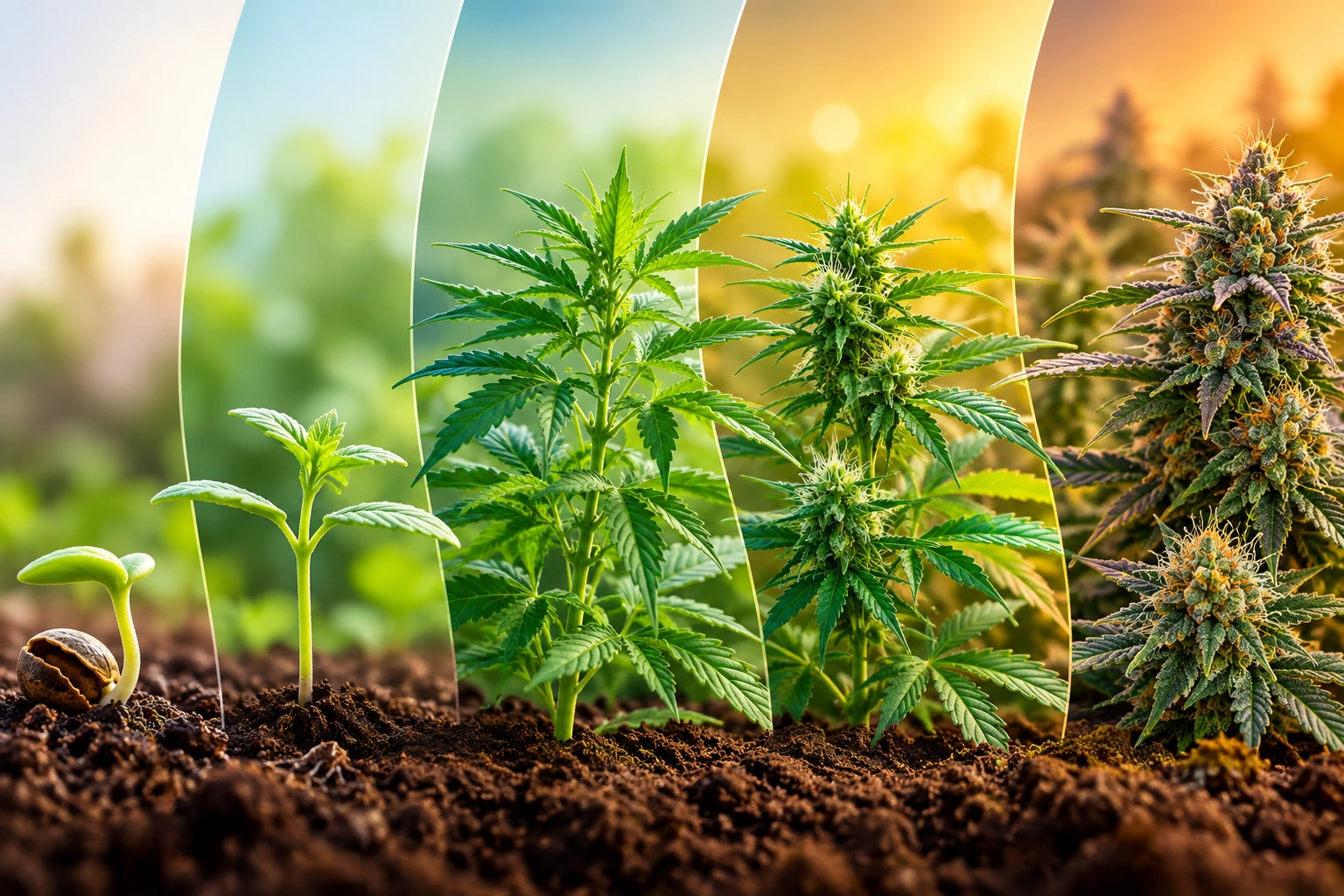
A seed needs the right conditions to begin growing. A seedling needs time to develop a healthy root system. During vegetative growth, the plant develops its stems, branches, and leaves. Flowering brings another set of changes, while harvest and post-harvest handling require careful attention to maturity, moisture, and storage.

Many problems happen when growers treat every stage in the same way. For example, watering a young seedling as frequently as a large plant can leave its roots without enough oxygen. Adding more fertilizer when leaves turn yellow can make matters worse if the real problem is damaged roots or unsuitable growing conditions.

This guide explains the most common mistakes at every cannabis growth stage, how to recognize warning signs, and what to consider before making changes. Whether you are learning about the cannabis plant life cycle for the first time or trying to understand why a plant looks unhealthy, this article will help you identify the issues that matter.

Looking for Medical Cannabis Guidance?

If you are interested in cannabis for medical purposes, learn about your options with professional guidance. California patients can complete an online evaluation and speak with a licensed physician from the comfort of home.

>>Get Started With Your Online Evaluation<<

Why Understanding Cannabis Plant Growth Stages Matters

Cannabis plants change as they develop. Their root systems expand, their leaves become larger, and their water and nutrient needs change over time. Flowering plants also develop reproductive structures that require different care from plants that are still growing leaves and branches.

Understanding each stage helps you:

  • Recognize normal growth instead of assuming every change is a problem.
  • Identify signs of overwatering, nutrient stress, and poor environmental conditions.
  • Avoid making several changes at once without understanding the cause.
  • Understand why a problem may appear in one stage but not another.
  • Recognize when mold, pests, or other issues need prompt attention.
  • Understand the difference between plant maturity and a fixed growing calendar.

The timing of each stage varies depending on genetics, whether the plant is autoflowering or photoperiod-dependent, and its growing environment. Therefore, the plant’s visible development is often more useful than relying on a strict week-by-week schedule.

Overview of the Main Cannabis Plant Growth Stages

The cannabis life cycle is commonly divided into germination, seedling growth, vegetative growth, flowering, and harvest. Drying and curing follow harvest and are important post-harvest processes.

Growth stage What happens Common mistakes
Germination The seed absorbs moisture and the first root emerges. Excess moisture, unsuitable temperatures, and unnecessary handling
Seedling The first leaves open and the young plant begins developing. Overwatering, strong light, and excessive nutrients
Vegetative Roots, stems, branches, and leaves develop. Poor lighting, nutrient imbalances, and ignoring pests
Pre-flowering Early reproductive structures may appear. Misidentifying normal changes and overlooking stress
Flowering Flowers develop and mature. Poor airflow, excess moisture, and nutrient problems
Harvest The plant reaches maturity and is collected. Harvesting too early or judging readiness by one sign
Drying and curing Harvested material loses moisture and is stored appropriately. Drying too quickly, poor storage, and ignoring mold

Now, let’s examine the mistakes associated with each stage in more detail.

1. Germination Stage Mistakes

Germination is the beginning of the cannabis plant life cycle. During this stage, a seed absorbs water, its outer shell opens, and a small root called the radicle begins to emerge.

Although the seed appears simple, the conditions around it can influence whether germination proceeds successfully.

Mistake 1: Providing Too Much Water

Seeds need moisture to begin germinating, but they also need oxygen. A growing medium that remains waterlogged can limit oxygen availability and encourage seed decay.

Warning signs: The medium stays saturated for long periods, the seed becomes soft or discolored, or germination fails to progress.

What to understand: Moisture and waterlogging are not the same thing. A suitable germination environment provides enough moisture without leaving the seed surrounded by standing water.

Mistake 2: Exposing Seeds to Unsuitable Temperatures

Very cold conditions can slow germination, while excessive heat can damage the seed or create unstable conditions.

Warning signs: Germination takes longer than expected, or the seed fails to develop despite apparently adequate moisture.

What to understand: Temperature consistency matters. Different seed varieties and conditions can produce different germination times, so a delay alone does not always mean the seed has failed.

Mistake 3: Handling Germinating Seeds Too Much

Once a root emerges, it is delicate. Repeatedly opening containers, moving seeds, or touching the root can cause physical damage or expose it to drying.

What to understand: Avoid unnecessary handling and protect the emerging root from damage. Also, do not assume that every seed will germinate at exactly the same speed.

Mistake 4: Declaring a Seed Unusable Too Early

Some seeds germinate quickly, while others take longer because of their age, condition, or environment.

What to understand: Allow a reasonable observation period based on the seed supplier’s guidance and the conditions involved. However, do not leave seeds indefinitely in an unsuitable, wet, or deteriorating environment.

Key takeaway: During germination, the main concerns are moisture balance, suitable temperatures, oxygen, and gentle handling. Adding fertilizers or making repeated adjustments is usually unnecessary.

2. Seedling Stage Mistakes

After emerging from the growing medium, the plant enters the seedling stage. Its first leaves begin capturing light, while the roots establish themselves below the surface.

This is one of the most sensitive cannabis plant growth stages because a young seedling has a small root system and limited ability to recover from serious stress.

Mistake 1: Overwatering Young Seedlings

Overwatering is a common cause of seedling problems. Young plants use relatively little water, and a constantly saturated root zone can restrict oxygen and damage developing roots.

Warning signs include:

  • Drooping leaves even though the growing medium is wet.
  • Slow growth despite apparently suitable conditions.
  • A stem that becomes weak or collapses near the growing medium.
  • Persistent dampness around the roots.

How to understand the problem: Drooping does not always mean a plant needs water. Check the condition of the growing medium and the overall environment before deciding what the plant needs.

Mistake 2: Using Too Much Fertilizer

A seedling does not need the same nutrient supply as a mature plant. Some growing media already contain enough nutrients for early development.

Adding extra fertilizer without understanding the medium can create an excessive concentration of dissolved salts around delicate roots.

Warning signs: Leaf tips become brown, leaf edges appear damaged, or growth slows after feeding.

What to understand: More nutrients do not automatically mean faster growth. Consider the growing medium, existing nutrient supply, and possible root or watering problems before assuming the seedling needs fertilizer.

Mistake 3: Providing Excessive Light

Light is necessary for photosynthesis, but excessive intensity or heat can stress young leaves.

Warning signs: Leaves appear bleached, dry, curled, or unusually stressed, particularly on surfaces exposed to the light source.

What to understand: Light stress can resemble other problems, including heat stress and nutrient deficiencies. Check the light manufacturer’s guidance and the temperature around the plant rather than changing several conditions at once.

Mistake 4: Ignoring Poor Air Circulation and Excess Moisture

A persistently damp environment can encourage fungal diseases, especially when the growing medium stays wet and air movement is poor.

One serious problem is damping-off, which can cause a young seedling to collapse near the soil line.

What to understand: Keep the growing environment clean, avoid prolonged waterlogging, and pay attention to signs of stem damage or fungal growth. A collapsed seedling may not recover, so prevention is particularly important.

Mistake 5: Mistaking Normal Leaf Changes for a Disease

The first rounded seed leaves, known as cotyledons, look different from the later true leaves. They may eventually yellow and fall as the plant develops.

This can be a normal part of development rather than a sign of nutrient deficiency.

What to understand: Examine the entire plant. If new leaves are developing normally and the plant otherwise looks healthy, the loss of an older cotyledon alone may not indicate a serious problem.

Key takeaway: The seedling stage calls for careful observation. Excess water, strong nutrients, too much light, and unnecessary intervention can cause more harm than leaving a healthy seedling alone.

3. Vegetative Growth Stage Mistakes

During vegetative growth, cannabis plants develop their main structure. Roots spread through the growing medium, stems become stronger, branches form, and the plant produces additional leaves.

Problems during this stage can affect the plant’s overall health and its ability to develop normally later.

Mistake 1: Misjudging Light-Related Problems

Insufficient light can cause weak, stretched growth, while excessive light or heat can damage leaves.

Warning signs of possible light problems:

  • Long, weak stems.
  • Unusually wide gaps between leaves.
  • Leaves that look bleached or stressed near the light source.
  • Slow development despite otherwise suitable conditions.

What to understand: Stretching may indicate inadequate light, but genetics and other environmental conditions can also influence plant shape. Avoid changing light intensity based on appearance alone.

Mistake 2: Assuming Every Yellow Leaf Indicates a Nutrient Deficiency

Yellowing is one of the most confusing signs in cannabis cultivation. It can be linked to nutrient availability, root damage, watering problems, unsuitable pH, pests, or natural leaf aging.

Adding fertilizer without identifying the cause may make the problem worse.

What to understand: Look at which leaves are affected, how quickly the change occurred, whether new growth is healthy, and whether the roots and growing medium show signs of stress.

Mistake 3: Overfeeding or Using an Unsuitable Nutrient Mix

Nutrient requirements change as plants grow, but feeding too much can cause nutrient burn or interfere with the uptake of other nutrients.

Warning signs: Brown leaf tips, unusually dark leaves, curling, or a decline in growth after fertilizer application.

What to understand: Follow product instructions and consider the nutrient content of the growing medium. Avoid combining multiple products without knowing what each contributes.

Mistake 4: Ignoring the Root Zone

Healthy leaves depend on healthy roots. Compacted growing media, poor drainage, prolonged saturation, or a container that no longer provides adequate root space can interfere with development.

Warning signs: Growth stalls, the plant repeatedly droops, or the growing medium remains wet much longer than expected.

What to understand: Do not focus only on the leaves. Root health, drainage, and moisture conditions can explain symptoms that appear to be nutrient-related.

Mistake 5: Making Too Many Changes at Once

When growth slows, it can be tempting to adjust lighting, fertilizer, watering, and temperature at the same time.

This makes it difficult to determine which change helped or harmed the plant.

What to understand: Check the basic conditions first, identify the most likely cause, and make measured changes where appropriate. Keep simple notes about symptoms and environmental changes.

Mistake 6: Overlooking Pests

Pests may appear during vegetative growth and continue into flowering. Some are difficult to see without close inspection.

Possible warning signs:

  • Small pale dots or stippling on leaves.
  • Fine webbing.
  • Irregular holes or damaged leaf edges.
  • Tiny insects or eggs on the underside of leaves.

What to understand: Inspect leaves and stems regularly. Identify the pest before selecting a treatment, and use products only as labeled and appropriate for the intended crop and growth stage.

Key takeaway: Vegetative growth is not simply about producing more leaves. Balanced nutrition, healthy roots, appropriate light, and early pest detection all contribute to normal development.

4. Pre-Flowering Stage Mistakes

Pre-flowering is the transition between vegetative growth and full flowering. During this period, the plant may begin showing reproductive structures, and its growth pattern may change.

Not every plant follows the same timetable. Genetics and whether the plant is photoperiod-dependent or autoflowering affect when these changes appear.

Mistake 1: Misidentifying Normal Development

Changes in leaf shape, branching, or the appearance of early reproductive structures may be mistaken for disease or abnormal growth.

What to understand: Consider the plant’s age, variety, and overall condition before concluding that a change is harmful.

Mistake 2: Assuming Every Plant Follows the Same Timeline

A calendar that describes one variety may not accurately describe another. Some plants mature more quickly, while others take longer to develop.

What to understand: Use stage descriptions as general guidance rather than fixed deadlines. Look for visible developmental changes and account for genetic differences.

Mistake 3: Ignoring Signs of Stress During the Transition

A plant that is already experiencing root problems, nutrient imbalance, or pest damage may struggle as it enters a new developmental phase.

What to understand: Do not assume that a change in growth automatically means the plant needs more fertilizer or a different treatment. Review the plant’s recent history and overall health.

Key takeaway: Pre-flowering is a period of transition. Recognizing normal development and avoiding unnecessary interventions can help prevent confusion and additional stress.

5. Flowering Stage Mistakes

During flowering, the plant develops its reproductive structures. Female cannabis plants may produce flowers with visible pistils, while male plants produce pollen-bearing structures.

Flower development is affected by genetics, environmental conditions, plant health, and the length of the flowering period. This stage also brings concerns about mold and other problems that may be harder to address once flowers become dense.

Mistake 1: Allowing Excess Moisture and Poor Airflow

High moisture levels and stagnant air can create conditions that favor fungal growth. Dense flowers can be especially vulnerable because moisture may remain trapped inside them.

Warning signs:

  • Gray, white, or unusual fuzzy growth.
  • Brown or decaying areas inside flowers.
  • A musty smell that differs from the plant’s normal aroma.
  • Plant tissue that appears wet or breaks down unexpectedly.

What to understand: Inspect the plant carefully and pay attention to the conditions around it. Suspected moldy material should not be consumed. Avoid simply removing the visible part and assuming the rest is safe.

Mistake 2: Treating Flowering Like Vegetative Growth

A plant’s needs and priorities change as it develops flowers. Continuing the same management approach without considering the new stage can create avoidable stress.

What to understand: Evaluate nutrients, environmental conditions, and plant health in the context of the current stage. Avoid abrupt changes based on generic advice intended for a different phase.

Mistake 3: Ignoring Light-Schedule Differences

Photoperiod-dependent cannabis varieties use changes in day length to regulate flowering. Autoflowering varieties generally flower according to their development and genetics rather than relying on the same light-trigger mechanism.

What to understand: Understand the type of plant before interpreting flowering behavior. Unexpected changes in flowering may have different explanations depending on the variety and growing environment.

Mistake 4: Continuing to Ignore Nutrient Stress

Excessive fertilizer, unsuitable nutrient balance, and problems in the root zone can continue to affect plants during flowering.

Warning signs: Damaged leaf tips, widespread yellowing, curling, or unusual leaf discoloration.

What to understand: Do not automatically add more nutrients when leaves change color. Root problems, natural aging, pests, and environmental stress can produce similar symptoms.

Mistake 5: Overlooking Pests and Damaged Flowers

Pests do not disappear when flowering begins. Some may damage leaves or flowers, while others can contribute to contamination.

What to understand: Inspect plants regularly, paying attention to hidden areas and the undersides of leaves. Use only appropriate, labeled treatments and consider whether a product is suitable for flowering plants.

Mistake 6: Judging Flower Health by Appearance Alone

Large or colorful flowers are not necessarily mature or healthy. Genetics influence flower size, color, and shape, and visible appearance alone cannot establish chemical composition or safety.

What to understand: Evaluate maturity using multiple relevant indicators and reliable information about the variety. Avoid assuming that one visual sign tells the whole story.

Key takeaway: During flowering, pay particular attention to moisture, airflow, pests, nutrient balance, and signs of disease. Mold and contamination deserve prompt attention because they can affect the safety of harvested material.

6. Harvest Stage Mistakes

Harvest marks the end of the plant’s active growth cycle. However, deciding whether a plant is mature enough to harvest can be difficult, particularly for beginners.

There is no single harvest date that works for every variety. Genetics, environmental conditions, and the plant’s developmental progress all affect maturity.

Mistake 1: Harvesting Too Early

A fixed calendar or an impatient decision can lead to harvesting before the plant has reached the expected stage of maturity.

What to understand: Consider the variety’s typical flowering period alongside multiple signs of maturity. A general timeline is a reference point, not proof that a particular plant is ready.

Mistake 2: Waiting Too Long Without Checking Plant Health

Waiting longer does not always improve the result. Overmature or deteriorating flowers may be more vulnerable to damage, while mold and other problems can develop if environmental conditions are poor.

What to understand: Assess maturity and plant health together. Do not extend the growing period solely because a calendar or generic guide recommends doing so.

Mistake 3: Relying on One Visual Indicator

Pistil color, flower appearance, and trichome development are sometimes used to assess maturity. However, these indicators can vary with genetics and growing conditions.

What to understand: Avoid basing a harvest decision on a single sign. Understand the limits of visual assessment, and do not confuse appearance with verified cannabinoid content or product safety.

Mistake 4: Using Unclean Tools or Handling Material Carelessly

Dirty tools, contaminated surfaces, and careless handling can introduce unwanted material or damage harvested flowers.

What to understand: Keep tools and work surfaces clean, handle plant material carefully, and avoid mixing healthy material with anything suspected of contamination.

Key takeaway: Harvest timing should reflect actual plant maturity and health, not impatience or a fixed date. Clean handling is also important for maintaining quality.

7. Drying and Curing Mistakes

The cannabis plant growth stages do not end in a practical sense when the plant is harvested. Post-harvest handling can influence aroma, texture, stability, and the risk of mold.

Drying and curing are different processes. Drying removes moisture, while curing involves controlled storage after initial drying. Neither process makes moldy or contaminated material safe.

Mistake 1: Drying Too Quickly

Excessive heat or very dry conditions can cause the outside of the harvested material to dry faster than the inside. This may affect texture and aroma.

What to understand: Conditions should be controlled and consistent. Avoid relying on intense heat or other shortcuts to speed up the process.

Mistake 2: Allowing Material to Remain Too Damp

Material that retains too much moisture can support mold growth, especially when stored in a poorly ventilated or unsuitable environment.

Warning signs: Visible mold, a musty smell, unusual discoloration, or signs of decay.

What to understand: Do not package material before it is appropriately dried. If mold is suspected, do not consume the material or assume that additional drying or curing will make it safe.

Mistake 3: Treating Curing as a Way to Fix Poor-Quality Material

Curing cannot reverse every problem caused by poor growing conditions, contamination, or incorrect drying.

What to understand: Good post-harvest practices help preserve quality; they do not repair damaged or unsafe material.

Mistake 4: Storing Material in Unsuitable Conditions

Exposure to excess moisture, heat, light, or air can affect the stability and quality of stored cannabis.

What to understand: Storage conditions should limit moisture-related risks and unnecessary environmental exposure. Keep material in appropriate, secure storage and away from children and pets.

Key takeaway: Drying and curing require attention to moisture and cleanliness. A successful harvest can still be compromised by poor post-harvest handling.

Common Cannabis Growing Problems and What They May Mean

The following table offers a quick reference for common symptoms. These signs are not definitive diagnoses because several different problems can produce similar changes.

Symptom Possible explanations What to check first
Seed does not sprout Poor seed viability, unsuitable moisture, temperature issues Germination conditions and elapsed time
Seedling droops Water stress, root stress, heat, or excessive light Growing-medium moisture and surrounding conditions
Leaves turn yellow Nutrient imbalance, root problems, natural aging, or other stress Which leaves are affected and how quickly the change occurred
Leaf tips turn brown Excess nutrients, salt buildup, or environmental stress Recent feeding and growing-medium conditions
Plant grows slowly Root stress, light issues, pests, or unsuitable conditions Recent changes and overall plant health
Stems become unusually long Insufficient light or natural growth differences Light conditions and the plant’s developmental stage
Leaves show tiny pale spots Possible mites or other pests, or environmental damage Leaf undersides and visible pest evidence
Flowers show mold-like growth Possible fungal contamination Affected areas and environmental moisture
Plant flowers at an unexpected time Genetics, plant type, maturity, or light-related factors Variety and growing conditions
Harvested material smells musty Possible mold or improper storage Material condition and storage history

Mistakes to Avoid Throughout the Entire Cannabis Life Cycle

Some errors can affect cannabis plants at almost any stage. Recognizing these patterns helps prevent repeated problems.

1. Following a Fixed Calendar Without Observing the Plant

Growth timelines are useful for planning, but plants do not all develop at the same rate.

Better approach: Use the calendar as a guide and compare it with visible developmental changes and the plant’s overall health.

2. Changing Too Many Conditions at Once

Changing water, nutrients, lighting, and temperature simultaneously makes it difficult to identify the cause of a problem.

Better approach: Review the evidence, identify the most likely cause, and make measured changes rather than reacting to every symptom.

3. Confusing Symptoms With Causes

Yellow leaves, drooping, and slow growth are symptoms rather than diagnoses. The same symptom may have several different causes.

Better approach: Examine the whole plant, the growing medium, recent care, and the surrounding environment before choosing a response.

4. Ignoring Cleanliness and Pest Prevention

Dirty tools, contaminated material, and unnoticed pests can create problems that become harder to manage over time.

Better approach: Maintain clean equipment, inspect plants regularly, and respond to confirmed problems using appropriate methods.

5. Ignoring Local Laws and Safety Requirements

Cannabis cultivation and possession laws vary by location. Some jurisdictions restrict cultivation entirely or impose limits based on age, plant count, licensing, or other conditions.

Better approach: Check the current laws that apply to your location before growing cannabis. Do not assume that rules in one state or country apply elsewhere.

Frequently Asked Questions

1. What are the main Cannabis Plant Growth Stages?

The main stages are germination, seedling growth, vegetative growth, flowering, and harvest. Drying and curing follow harvest. Some guides separate pre-flowering and different parts of flowering into additional stages.

2. What is the most common mistake during cannabis seedling growth?

Overwatering is a frequent mistake because young seedlings have small root systems and use relatively little water. However, poor lighting, unsuitable temperatures, and excessive nutrients can also cause problems.

3. Why are my cannabis plant leaves turning yellow?

Yellow leaves can result from nutrient imbalances, watering problems, damaged roots, pests, natural aging, or environmental stress. Check the location and pattern of the yellowing before assuming that fertilizer is needed.

4. Can overwatering affect every cannabis growth stage?

Yes. Excess moisture can restrict oxygen around the roots at different stages. Young seedlings are particularly vulnerable, but mature plants can also experience root problems when the growing medium remains waterlogged.

5. How can you tell whether a cannabis plant is stressed?

Possible signs include drooping, unusual leaf discoloration, curling, damaged leaf tips, slow growth, and visible pest damage. Because these signs can have multiple causes, the plant’s overall condition and growing environment should be assessed together.

6. Why is my cannabis plant growing slowly?

Slow growth may be associated with root stress, unsuitable light or temperature, watering problems, nutrient imbalance, pests, or genetics. Compare the plant’s current condition with its earlier development instead of assuming that one specific deficiency is responsible.

7. Can you fix nutrient burn by adding more fertilizer?

No. Nutrient burn can be a sign that the plant has received excessive nutrients or accumulated salts. Adding more fertilizer may worsen the problem. Review the feeding history and growing-medium conditions before deciding what to change.

8. Why is mold a serious problem during flowering?

Dense flowers and excess moisture can create conditions that support mold. Contaminated material may pose health risks, so suspected moldy cannabis should not be consumed or treated as safe simply because the visible growth has been removed.

9. Does every cannabis variety follow the same growth timeline?

No. Development varies with genetics, plant type, environmental conditions, and the length of different growth phases. A week-by-week guide should be treated as an estimate rather than a universal schedule.

10. Can drying and curing correct mistakes made during growth?

No. Proper post-harvest handling can help preserve quality, but it cannot reliably reverse contamination, mold, or all damage caused during cultivation. Material suspected of being unsafe should not be consumed.

11. What is the biggest mistake to avoid during the cannabis plant life cycle?

There is no single mistake that causes every growing problem. However, reacting to symptoms without identifying their cause can lead to repeated errors. Careful observation, balanced environmental management, and attention to plant health are useful throughout the life cycle.

12. What should you do if a cannabis plant suddenly looks unhealthy?

Look for recent changes in watering, nutrients, temperature, light, and the growing environment. Check for pests, root problems, or signs of disease. Avoid making several drastic changes at once, and seek qualified guidance when the cause remains unclear or a contamination risk is suspected.

Final Thoughts

Understanding the Cannabis Plant Growth Stages makes it easier to recognize normal development, identify potential problems, and avoid mistakes caused by guesswork. Each stage has its own challenges, from protecting a germinating seed to recognizing stress during flowering and handling harvested material safely.

The most useful habit is to observe the whole plant rather than reacting to one symptom. Drooping does not always mean a plant needs water, yellow leaves do not always mean it needs fertilizer, and a fixed calendar does not guarantee maturity.

By learning how the cannabis plant life cycle works, recognizing common growing mistakes, and paying attention to environmental conditions, readers can better understand why problems occur and why prevention is often more effective than trying to correct damage later.

Sources

How to Pack a Bowl for Better Airflow and Even Burning

How to Pack a Bowl

Quick Answer: If you want to know how to pack a bowl, start with a clean pipe and cannabis that has been broken up into small, fairly even pieces. Place the flower into the bowl without compressing it too tightly. The goal is to keep the cannabis secure while leaving enough space for air to move through it.

A bowl that is packed too tightly can restrict airflow, while an overly loose pack may burn quickly or allow small pieces to fall through the opening. If your pipe has a screen designed for the bowl, use it according to the manufacturer’s instructions.

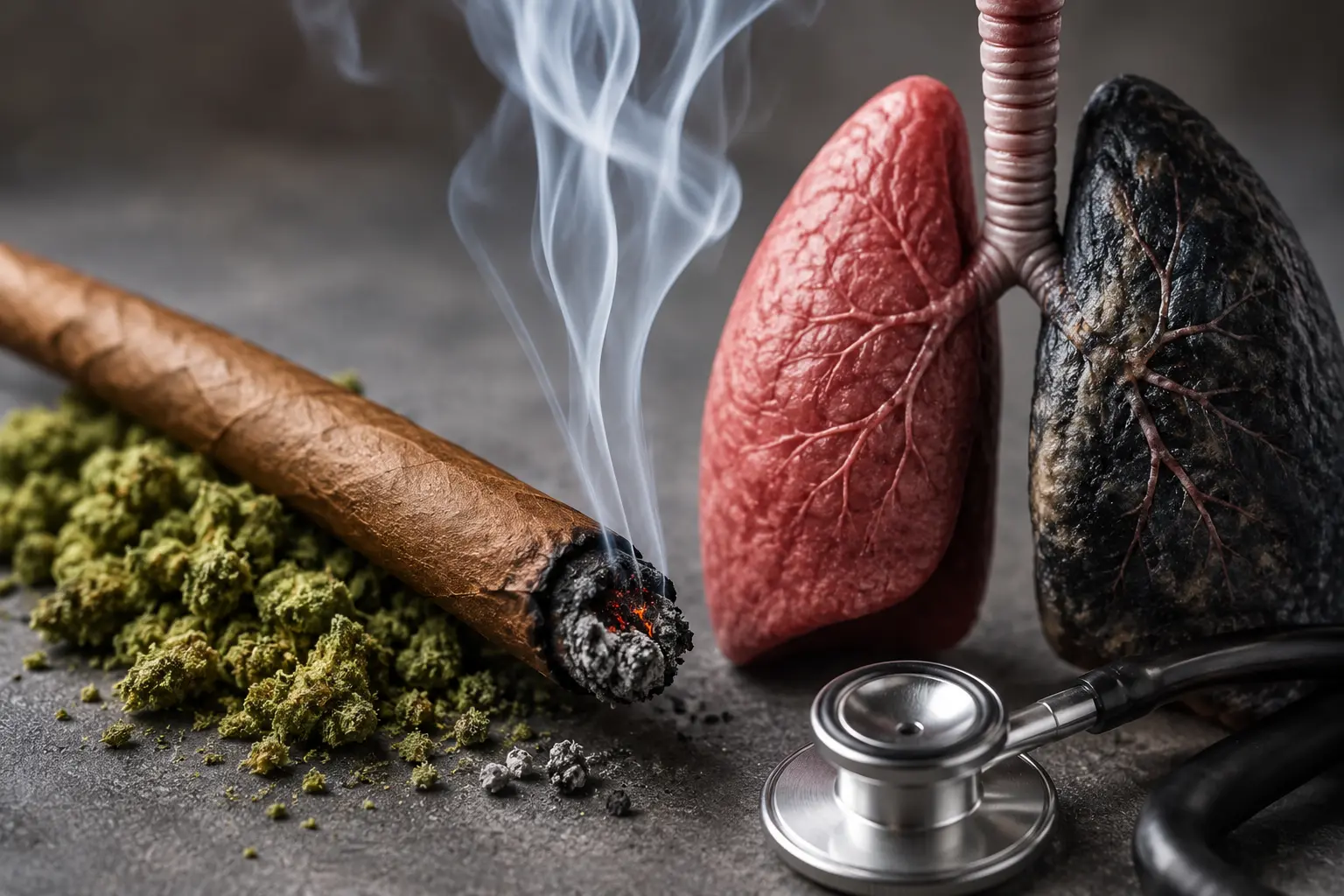
Because smoking cannabis involves inhaling smoke, it also carries respiratory risks. Avoid deep inhalation and breath-holding, don’t drive while impaired, and keep cannabis away from children and pets. Health authorities generally recommend non-smoking methods when appropriate.

Learning how to pack a bowl is one of the basic skills people encounter when using a cannabis pipe. It sounds simple, but small differences in how the flower is prepared and placed inside the bowl can affect airflow, burning, and how much material is wasted.

The most common problem is trying to make the bowl too compact. Cannabis needs enough space for air to pass through. At the same time, an extremely loose bowl can burn unevenly or allow a flower to drop into the pipe.

This guide explains the basics in simple terms, including how to prepare the flower, how much pressure to use, how to troubleshoot airflow problems, and how to keep the pipe clean.

Need Help With Medical Marijuana?

If you’re considering medical marijuana for a qualifying condition and want to understand your options, California Online Clinic can help you learn more about the process. Get guidance from a licensed California physician through a convenient online evaluation.

>>Book Your Online Evaluation<<

How to Pack a Bowl: The Basic Process

The general process is straightforward:

  1. Use a clean, dry pipe.
  2. Break the cannabis into small, even pieces.
  3. Check the bowl opening and make sure it isn’t blocked.
  4. Place the flower into the bowl without compressing it heavily.
  5. Gently settle the flower so it stays in place.
  6. Test the airflow before lighting.
  7. If the draw feels blocked, loosen the material rather than forcing air through it.

The ideal pack is secure but not tightly compressed.

Think of it like filling a small container with loose material rather than pressing everything into a solid mass.

What You Need

You don’t need many items to prepare a bowl.

1. A clean pipe or bowl

Make sure the pipe is free from ash, loose debris, and heavy resin buildup. A dirty bowl can interfere with airflow and make it harder to judge how tightly the cannabis is packed.

2. Cannabis flower

Flowers should be reasonably dry and easy to break apart. An extremely dry flower can crumble into fine particles, while very moist or sticky flower may be harder to prepare evenly.

3. A grinder or your fingers

A grinder can create a more consistent texture. If you don’t have one, you can break the flower apart by hand. Avoid turning the flower into a fine powder. Very small particles can restrict airflow or pass through the bowl opening.

4. A bowl screen, when appropriate

Some pipes are designed to work with screens, while others have bowl openings that don’t require one. If your pipe is designed for a screen, use the type recommended for that accessory.

A screen can help prevent small pieces from falling into the pipe, but it also needs to be kept clean.

5. A clean surface

Packing over a tray, plate, or other easy-to-clean surface can help catch loose pieces instead of losing them.

How to Pack a Bowl of Weed Step by Step

Step 1: Check Your Pipe Before Packing

Before adding cannabis, look at the bowl and airway.

Check for:

  • Ash left from a previous session
  • Heavy resin buildup
  • A blocked bowl opening
  • A dirty mouthpiece
  • A damaged or cracked glass pipe
  • A loose or damaged screen

If the airway is already clogged, adding more cannabis won’t solve the problem.

A clean starting point also makes it easier to identify whether an airflow problem is caused by the pack or the pipe itself.

Step 2: Break the Cannabis Into an Even Texture

The consistency of your flower matters.

You generally want pieces that are small enough to sit together but not so fine that they form a dense layer. Large chunks can create uneven spaces, while powder-like material may restrict airflow.

A simple test is to look at the flower after breaking it apart. You should see relatively consistent pieces rather than a mixture of large chunks and dust.

Remove large stems before packing. They don’t contribute to the burn and can interfere with how the flower sits in the bowl.

Step 3: Place the Flower Into the Bowl

Add the prepared flower gradually instead of dropping a large amount into the bowl at once.

Let the material settle naturally.

You don’t need to fill the bowl completely. A smaller amount can be easier to manage, especially if you’re unfamiliar with how much your particular bowl holds.

The important point is to avoid creating a tightly compressed mass.

How tightly should a bowl be packed?

There is no single pressure that works for every pipe, but a useful rule is:

The flower should stay in place while still allowing air to pass through.

If the bowl feels completely solid after pressing it down, you’ve probably compressed it too much. If flower easily falls through the opening, it may be too loose or the bowl may need an appropriate screen.

Step 4: Check the Airflow

Before using the bowl, check whether air can move through it.

If the draw feels heavily restricted, don’t keep pressing the flower down. Remove some material and loosen what remains. If the airflow is extremely open and pieces are moving through the bowl, check the bowl opening and screen.

This simple check can prevent one of the most common bowl problems: a pack that looks fine but is difficult to draw through.

Understanding Bowl Airflow

Airflow is one of the most important parts of packing a bowl.

When cannabis is placed over the opening at the bottom of the bowl, air needs to move through the material. If the flower is compressed too much, the available air pathways become restricted.

That can lead to:

  • Difficult draws
  • Uneven burning
  • Excessive heat
  • A bowl that repeatedly goes out
  • Cannabis remaining unburned

On the other hand, extremely loose material may burn rapidly and move around inside the bowl. The goal is therefore not simply to pack the bowl “tight.” It is to create a stable pack with usable airflow.

Why Does My Bowl Keep Clogging?

A clogged bowl can have several causes.

1. The cannabis is too finely ground

Very small particles can collect around the bowl opening.

What to do: Use a slightly coarser texture and avoid grinding the flower into powder.

2. The bowl is packed too tightly

Compression can restrict the airway.

What to do: Remove some material and repack it more loosely.

3. Resin has accumulated

Sticky residue can gradually narrow the opening.

What to do: Clean the bowl and airway before using it again.

4. The screen is dirty

A screen can collect ash and resin over time.

What to do: Clean or replace it according to the accessory manufacturer’s recommendations.

Why Does a Bowl Burn Unevenly?

Uneven burning can happen for several reasons.

The flower may have different particle sizes, the material may not be distributed evenly, or airflow may be inconsistent. A bowl can also burn differently depending on how it is used.

If only one part of the surface is heated, the surrounding material may remain unburned. This can reduce consistency and may lead to repeated relighting.

The simplest fix is usually to focus on consistent flower preparation and moderate packing, rather than pressing the material harder.

Should You Use a Screen in a Bowl?

It depends on the pipe.

Some bowls are designed with openings that work without a screen. Others may benefit from a screen to keep small pieces from entering the pipe.

A screen may be particularly useful if you notice flowers repeatedly falling through the bowl opening.

However, a screen can become clogged with ash and residue. If airflow becomes worse after installing one, check whether the screen needs cleaning or replacement.

Always use accessories intended for your particular pipe rather than improvised materials.

How Much Cannabis Should You Put in a Bowl?

There isn’t one correct amount.

Bowl sizes vary considerably, and people have different reasons for using cannabis. If you’re unfamiliar with a particular pipe, starting with a smaller amount makes it easier to understand how the bowl behaves without filling it excessively.

More cannabis doesn’t necessarily mean better airflow or a better experience.

If cannabis is being used for medical purposes, follow the dosing instructions provided by your healthcare professional or the product labeling rather than estimating an amount based on bowl size.

Common Mistakes When Packing a Bowl

1. Packing it too tightly

This is one of the easiest mistakes to make.

Problem: Restricted airflow.

Better approach: Use gentle pressure and leave enough space for air to move through the flower.

2. Grinding the flower too finely

A powdery texture can collect around the airway.

Better approach: Aim for relatively even, small pieces rather than a fine powder.

3. Filling the bowl excessively

A completely full bowl isn’t automatically a better-packed bowl.

Problem: More material can make airflow and burning harder to control.

Better approach: Use an amount appropriate for the bowl and your intended use.

4. Ignoring a dirty pipe

Even a well-packed bowl won’t perform properly if the pipe itself is heavily clogged.

Better approach: Clean the bowl and airway regularly.

5. Using a damaged pipe

Cracked glass or damaged accessories can create avoidable safety problems.

Better approach: Replace damaged equipment rather than continuing to use it.

6. Sharing the mouthpiece

Sharing smoking equipment can expose people to germs and infections.

Better approach: Avoid sharing mouthpieces, particularly when someone is sick.

How to Keep a Bowl Clean

Cleaning isn’t just about appearance. Ash and resin can accumulate inside the bowl and restrict airflow.

After use, allow the pipe to cool completely before handling or cleaning it.

Remove loose ash and debris, then clean the pipe using a method appropriate for its material. Follow the manufacturer’s recommendations when available.

For reusable glass accessories, cleaning products specifically intended for glass pipes can help remove stubborn residue.

How often should you clean a bowl?

There’s no universal schedule. If you notice:

  • Reduced airflow
  • Strong stale odors
  • Heavy resin buildup
  • More difficult packing
  • Unpleasant taste

it’s probably time to clean the pipe. Never use a pipe while it is still wet from cleaning. Allow it to dry completely first.

Is Smoking Cannabis From a Bowl Safe?

Smoking cannabis is not risk-free.

Health Canada notes that cannabis smoke contains many of the same harmful chemicals found in tobacco smoke and has been associated with respiratory problems, including cough, mucus buildup, bronchitis, and lung infections.

Health Canada also recommends avoiding deep inhalation and breath-holding because these practices increase exposure to toxic material in the respiratory system.

For people using cannabis for medical purposes, smoking is not generally recommended as the preferred method because of the risks associated with smoke inhalation.

If someone chooses to use cannabis, understanding these risks is part of making an informed decision.

Smoking, Vaping, and Edibles Are Not the Same

The way cannabis is consumed changes how quickly effects begin and what risks are involved.

Smoking produces effects relatively quickly but exposes the lungs to smoke. Vaping avoids combustion but is not risk-free, while edible products avoid inhaling smoke but have a slower onset and can be easier to overconsume because effects take longer to develop.

There isn’t one method that is appropriate for everyone.

People considering cannabis for medical purposes should discuss appropriate products and methods with a qualified healthcare professional.

Don’t Drive After Using Cannabis

Cannabis can affect attention, coordination, reaction time, and judgment.

Avoid driving or operating machinery while impaired. Combining cannabis with alcohol can also increase impairment.

This is especially important with inhaled cannabis because effects can begin quickly, which may make it tempting to underestimate impairment.

Keep Cannabis and Cannabis Accessories Away From Children

Cannabis products and accessories should be stored securely and kept away from children and pets. Don’t leave loose cannabis, partially used bowls, lighters, or other accessories where children can access them.

If cannabis is stored at home, follow the applicable local storage requirements and product safety instructions.

What to Do If You Get a Harsh Hit

A harsh hit doesn’t necessarily mean you packed the bowl incorrectly.

Possible reasons include:

  • Cannabis smoke itself irritating the airways
  • Excessive heat
  • Very dry flower
  • A dirty pipe
  • Restricted airflow
  • Taking a deep inhalation

If smoking causes significant discomfort, coughing, chest pain, breathing difficulty, or other concerning symptoms, stop and seek appropriate medical advice.

Avoid trying to make smoke easier to tolerate by taking deeper breaths or holding it in. Public-health guidance specifically advises against those practices.

How to Pack a Bowl Without Wasting Cannabis

If your goal is to avoid losing flower, focus on preparation rather than simply adding more material.

A few practical habits can help:

  • Break the flower into reasonably even pieces.
  • Avoid grinding it into powder.
  • Check that the bowl opening isn’t excessively large for the material.
  • Don’t overfill the bowl.
  • Pack gently rather than compressing it.
  • Use an appropriate screen if your pipe is designed for one.
  • Keep the bowl clean.
  • Pack over a tray or easy-to-clean surface.

These habits can make the process more predictable without requiring complicated techniques.

Bowl Packing Troubleshooting Guide

Problem Possible Cause What to Check
Hard to draw Pack is too tight Loosen the flower
Flower falls through Pieces are too small or opening is large Check the screen/opening
Bowl burns very quickly Pack may be too loose Check density and airflow
Uneven burning Inconsistent flower or distribution Break up and distribute evenly
Poor airflow Resin or ash buildup Clean the pipe
Harsh smoke Smoke irritation, heat, dryness, or restricted airflow Stop if uncomfortable and avoid deep inhalation
Repeated clogging Fine particles or residue Use a coarser texture and clean the airway

Frequently Asked Questions

1. How tightly should you pack a bowl?

A bowl generally shouldn’t be compressed tightly. The flower should remain in place while still allowing air to pass through it. If the draw feels blocked, loosen the material.

2. What is the best grind size for a bowl?

A reasonably even, small-to-medium texture is generally easier to manage than either large chunks or powder. Extremely fine material can restrict airflow or fall through the bowl opening.

3. Why can’t I pull air through my bowl?

The most common possibilities are an overly tight pack, fine particles blocking the opening, or resin and ash buildup inside the pipe.

4. Do you need a screen in a cannabis bowl?

Not necessarily. Some bowls are designed to work without one, while others may benefit from a screen. Follow the design and instructions for your particular pipe.

5. Why does my bowl burn unevenly?

Uneven burning can result from inconsistent flower size, uneven distribution, restricted airflow, or the way heat is applied.

6. How often should you clean a bowl?

Clean it whenever ash, resin, or debris begins affecting airflow or taste. Regular cleaning can also make the bowl easier to pack consistently.

7. Is smoking cannabis safer than vaping?

Neither method is risk-free. Smoking exposes the lungs to combustion products, while vaping can expose users to other potentially harmful substances. Health Canada notes that vaping may reduce some risks associated with smoke but still carries health risks.

8. Can you share a cannabis bowl with someone else?

Sharing a pipe or mouthpiece can spread germs and infections. Avoid sharing smoking equipment, particularly when someone is ill.

9. Should you hold cannabis smoke in your lungs?

No. Health Canada recommends avoiding breath-holding and deep inhalation because these practices increase exposure to toxic material.

10. Can you drive after smoking cannabis?

You should not drive or operate machinery while impaired by cannabis. Cannabis can affect coordination, attention, reaction time, and judgment.

Final Thoughts

Learning how to pack a bowl is mainly about finding a balance between stability and airflow. Cannabis should sit securely in the bowl without being compressed into a dense plug.

Using reasonably even pieces, checking the airway, avoiding overpacking, and keeping the pipe clean can help prevent common problems such as clogging and uneven burning.

However, the technique doesn’t remove the health risks associated with smoking cannabis. Cannabis smoke can expose the respiratory system to harmful substances, and public-health guidance recommends avoiding deep inhalation and breath-holding.

If cannabis is being used for medical purposes, discuss the product, dose, and method of use with a qualified healthcare professional.

Sources

How to Make a Cannabis Candle: A Simple DIY Guide and Safety Tips

How to Make a Cannabis Candle

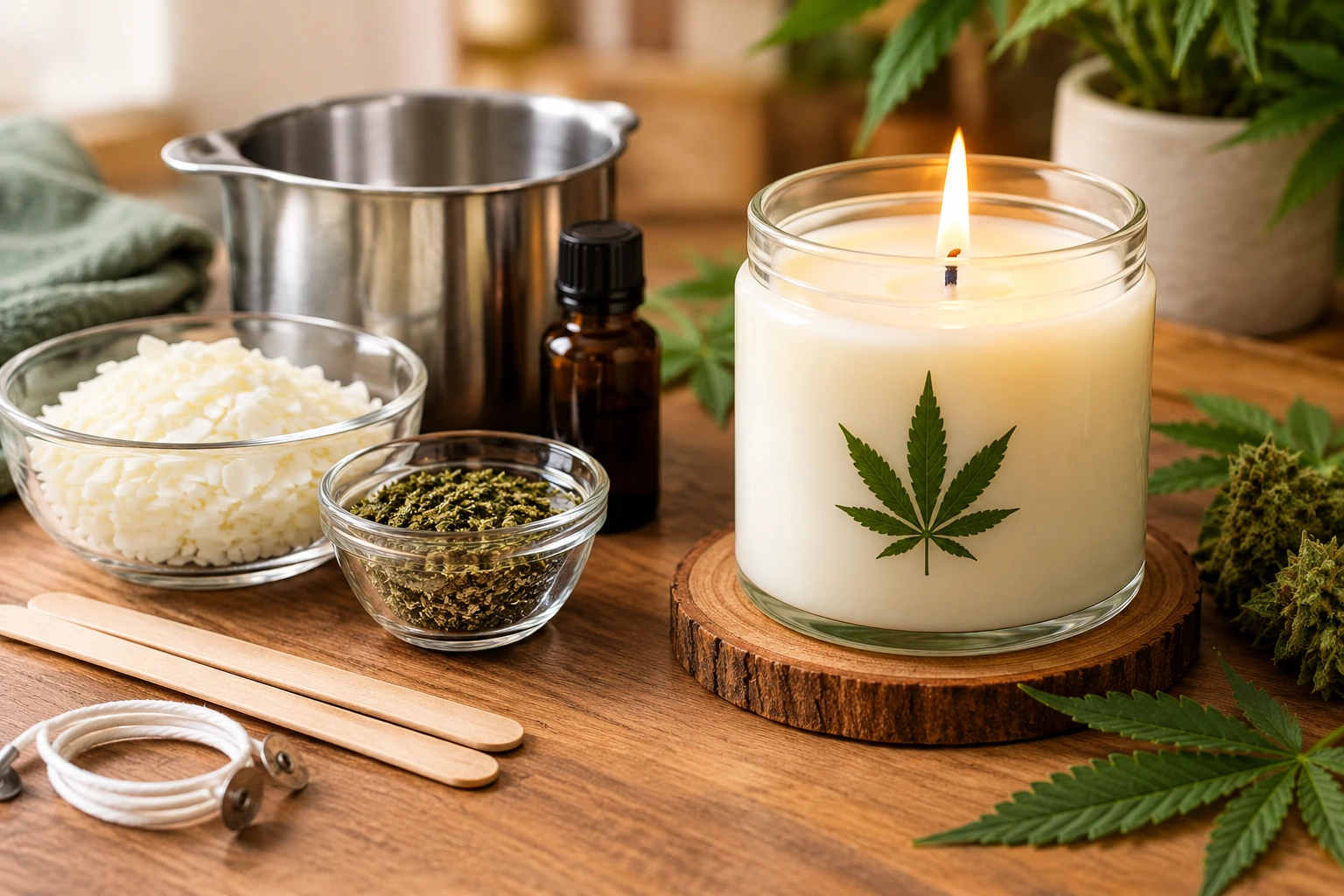
Quick Answer: If you want to know how to make a cannabis candle, the process is similar to making a regular scented candle. You’ll need candle-safe wax, a suitable fragrance, a wick, and a heat-safe container. Melt the wax according to the manufacturer’s instructions, secure the wick, mix in the appropriate fragrance, and carefully pour the wax into the container.

For safety, avoid adding cannabis flower, concentrates, or other raw plant material to hot wax because they can burn or produce unpredictable results. A homemade cannabis candle is best considered a scented or decorative product, not a reliable way to consume cannabis.

Looking for reliable cannabis information?

Get trustworthy information about cannabis products, responsible use, and medical marijuana options before trying a new cannabis-related product.

>>Learn More About Cannabis<<

What Is a Cannabis Candle?

The phrase “cannabis candle” can describe several different products.

Some are simply candles with a cannabis-inspired fragrance. Others may contain hemp-derived ingredients, CBD, or other cannabis compounds. These products should not automatically be treated as interchangeable.

A scented candle can create a particular smell and atmosphere without containing cannabinoids at all. A candle containing CBD or THC introduces additional questions about ingredient quality, heating, stability, labeling, and intended use.

This distinction matters because smelling cannabis does not mean that you are consuming cannabis or receiving a measurable dose of THC or CBD.

The original source focuses heavily on CBD-infused wax and topical use, but the evidence for these claims is more limited than the article’s wording suggests. The FDA notes that there are still significant unanswered questions about the safety, quality, and effects of many consumer CBD products.

Can You Make a Cannabis Candle at Home?

Yes, you can make a candle using ordinary candle-making supplies and cannabis-inspired fragrances.

The safer DIY approach is to treat it like a regular scented candle, rather than trying to turn a candle into a homemade medical or therapeutic product.

For example, you can make a candle with:

  • Soy, beeswax, or another candle-making wax
  • A properly sized candle wick
  • A candle-safe glass or metal container
  • Cannabis-inspired fragrance oil
  • Optional complementary candle fragrance notes
  • A thermometer
  • A double-boiler setup
  • A wick holder or centering device

If you choose a fragrance oil, make sure it is specifically suitable for candle-making and follow the supplier’s recommended usage rate.

What You Need to Make a Cannabis Candle

Before starting, gather your supplies.

Basic materials

  • Candle wax
  • Candle-safe container
  • Properly sized wick
  • Wick adhesive or wick sticker
  • Wick centering tool
  • Candle fragrance oil
  • Heat-safe pouring container
  • Double boiler or controlled wax-melting setup
  • Thermometer
  • Kitchen scale
  • Scissors or wick trimmer

A digital scale is useful because candle fragrance should generally be measured by weight rather than guessed by volume.

Why wick selection matters

The wick isn’t just there to create a flame. Its size affects how quickly the wax melts, how large the flame becomes, and whether the candle burns evenly.

A wick that is too large can produce excessive heat, soot, or an unstable flame. A wick that is too small may struggle to melt the wax evenly. For that reason, candle makers normally test different wick sizes when developing a new candle formula.

How to Make a Cannabis Candle Step by Step

Step 1: Prepare the Container

Start with a container designed for candle-making.

Do not simply use any drinking glass, decorative jar, or household container. A candle container needs to withstand repeated heating and cooling. Clean and completely dry the container before use. Place it on a stable, heat-resistant surface.

 Step 2: Position the Wick

Attach the wick to the center of the bottom of the container using a candle-making wick sticker or another product designed for this purpose.

Use a wick-centering device to keep the wick upright while the wax is poured. A centered wick helps the candle burn more evenly.

Step 3: Melt the Wax Carefully

Measure the amount of wax you need and place it into a heat-safe melting container. Use a double-boiler setup or another method recommended by the wax manufacturer.

Heat the wax gradually and monitor the temperature with a thermometer. Avoid overheating the wax. Different waxes have different melting and pouring temperatures, so follow the instructions provided with the particular wax you’re using.

Step 4: Add Candle-Safe Fragrance

Once the wax reaches the manufacturer’s recommended temperature for fragrance addition, add your candle fragrance.

This is where you can create a cannabis-inspired scent profile.

For example, you might choose:

1. Earthy profile

  • Pine
  • Cedar
  • Herbal notes

2. Citrus profile

  • Lemon
  • Orange
  • Bergamot

3. Relaxing profile

  • Lavender
  • Cedarwood
  • Soft herbal notes

Use only fragrance materials that are appropriate for candles and follow their supplier’s safety and usage instructions.

Do not assume that an essential oil is automatically safe or appropriate simply because it comes from a plant. Essential oils can cause irritation or other problems when misused, and some are not appropriate for direct skin use.

Step 5: Pour the Wax

Slowly pour the scented wax into your prepared container.

Try not to disturb the wick while pouring.

Leave enough space near the top rather than filling the container completely.

Once poured, check that the wick remains centered.

Step 6: Let the Candle Cool

Allow the candle to cool naturally in a draft-free location. Do not move it repeatedly while the wax is setting. Depending on the wax and container, the surface may take several hours to become completely firm.

Avoid lighting the candle immediately after it appears solid. Many candle formulas benefit from a longer curing period before their first burn.

Step 7: Trim the Wick Before Burning

Once the candle has fully set, trim the wick before lighting it. The National Candle Association recommends trimming candle wicks to approximately ¼ inch before burning.

This is different from the very short wick length suggested in the original article. A properly trimmed wick can help reduce excessive flame height, smoking, and uneven burning.

What About Adding CBD or THC to a Cannabis Candle?

This is where things become more complicated.

The original source recommends adding CBD, CBG, CBN, or other oils to melted wax. However, simply mixing a cannabinoid oil into candle wax does not establish that the resulting product will deliver a predictable amount of cannabinoid or provide a therapeutic benefit.

There are several reasons to be cautious.

1. Heat can change cannabis compounds

Cannabinoids are chemically sensitive compounds, and heat can affect their stability. THC and THCA also have different properties when exposed to heat. The CDC explains that THCA can convert to THC when exposed to heat.

That does not mean that burning a CBD or cannabis candle will produce a predictable cannabis effect.

2. A candle is not a controlled delivery system

A properly manufactured topical product is formulated with a particular purpose in mind.

A homemade candle has many variables, including:

  • Wax type
  • Fragrance concentration
  • Wick size
  • Burn temperature
  • Container size
  • Burning duration
  • Amount and type of cannabinoid
  • How evenly the ingredient is distributed

Because of these variables, it is difficult to determine how much cannabinoid would remain in the wax or how much, if any, would be absorbed through the skin.

The FDA specifically notes that important questions remain about CBD exposure, including how much CBD may be absorbed through the skin from topical products.

Can Cannabis Candle Wax Be Used Directly on Your Skin?

This is one of the biggest areas where caution is needed. A candle made for burning should not automatically be treated as a body-safe massage candle.

Even if the wax contains CBD or botanical oils, that does not prove that the finished product is suitable for skin application.

There are several things to consider:

  • The wax may become hot enough to cause burns.
  • Fragrance ingredients may irritate sensitive skin.
  • Essential oils can cause allergic or irritation reactions.
  • The finished formulation may not have been tested for dermal safety.
  • CBD absorption from topical products remains an area with limited data.
  • Adding a cannabinoid does not automatically make a candle a therapeutic product.

The FDA states that many CBD products have not been evaluated for safety or effectiveness for the medical claims made about them.

If your goal is a product intended for skin use, a properly formulated topical product designed and labeled for that purpose is a more appropriate category than a homemade household candle.

Cannabis Candle vs. CBD Candle vs. Cannabis-Scented Candle

These terms are often confused.

Product Contains cannabis compounds? Main purpose
Cannabis-scented candle Not necessarily Fragrance and ambiance
CBD candle May contain CBD Candle product containing CBD
THC candle May contain THC Cannabis-containing candle product
CBD topical Designed for skin application Topical use
Regular scented candle No Fragrance and ambiance

A product’s name alone does not tell you exactly what is inside it. Always check the ingredient information and intended-use instructions.

How to Choose a Cannabis-Inspired Candle Fragrance

If your main goal is the smell rather than cannabinoid delivery, you can create a cannabis-inspired candle without adding cannabis extracts.

Some fragrance combinations can create an earthy, herbal profile.

1. Earthy and woody

Try combining fragrance notes such as:

  • Cedarwood
  • Pine
  • Earthy herbal notes

2. Fresh and citrusy

Consider:

  • Lemon
  • Orange
  • Bergamot
  • Herbal notes

3. Herbal and floral

You might combine:

  • Lavender
  • Rosemary
  • Herbal fragrance
  • Soft wood notes

Always check that the specific fragrance product is approved for candle use and follow the manufacturer’s recommended fragrance load.

How to Make Your Candle Burn More Evenly

A good-looking candle can still burn poorly if the wick and wax combination has not been tested.

Here are a few useful practices:

1. Trim the wick before every burn

The National Candle Association recommends a wick length of about ¼ inch before lighting.

2. Keep the wax pool clean

Remove pieces of wick, matches, and other debris from the melted wax.

Debris can become additional fuel and increase the risk of an unexpectedly large flame.

3. Avoid drafts

Fans, air-conditioning vents, and open windows can disturb a candle flame and contribute to uneven burning or soot.

4. Follow the wax manufacturer’s instructions

There isn’t one universal temperature or recipe for every type of candle wax.

Soy wax, beeswax, paraffin, and wax blends can have different handling requirements.

Cannabis Candle Safety Tips

Candle safety is just as important as the recipe.

The National Candle Association recommends several basic precautions:

  • Never leave a burning candle unattended.
  • Keep candles away from anything that can catch fire.
  • Keep candles away from children and pets.
  • Place candles on stable, heat-resistant surfaces.
  • Keep candles away from drafts.
  • Trim the wick before burning.
  • Keep the melted wax free of debris.
  • Follow the manufacturer’s recommended burn time.
  • Allow the candle to cool before moving it.

The National Candle Association generally recommends not burning a candle for more than four hours at a time, although the manufacturer’s instructions for a particular candle should take priority.

Never use water to put out a candle flame because hot wax can splatter and water can cause some containers to break.

Can a Cannabis Candle Get You High?

A cannabis-scented candle should not be confused with inhaling cannabis.

Simply having a candle with a cannabis-like aroma does not mean that you are receiving a recreational dose of THC.

However, a candle containing THC or another cannabinoid is a different situation. The effects of heating and burning cannabinoids depend on the specific formulation and conditions, and a homemade candle should not be considered a predictable cannabis-delivery method.

THC is the cannabinoid associated with the intoxicating effects of cannabis, while CBD does not produce the same intoxicating effect.

Are Cannabis Candles Legal?

The answer depends on the ingredients, product type, and jurisdiction.

Cannabis and cannabis-derived products can be subject to different federal, state, and local rules. Hemp-derived CBD and marijuana-derived THC are not necessarily treated the same way under applicable laws.

The FDA also retains authority over products containing cannabis-derived compounds, regardless of how they are classified under other laws.

If you plan to sell cannabis or CBD candles rather than make one for personal use, you should check the laws that apply where the product will be manufactured and sold. Product labeling and health claims can also create additional regulatory issues.

Should You Make a CBD-Infused Candle or a Cannabis-Scented Candle?

It depends on what you actually want from the candle.

If your goal is ambiance and fragrance, a cannabis-inspired scented candle is the simpler option.

If your goal is skin application, a candle is not necessarily the right product. Look for a topical product that has been specifically formulated and labeled for use on skin.

If your goal is cannabis consumption or cannabinoid effects, a candle is not a reliable substitute for a product designed and tested for that route of administration.

This distinction can prevent a common mistake: assuming that adding CBD or cannabis oil to wax automatically creates a therapeutic cannabis product.

Common Mistakes to Avoid

1. Using a random glass container

Household glass is not necessarily designed to withstand the repeated temperature changes produced by a burning candle. Use a container intended for candle-making.

2. Adding too much fragrance

More fragrance does not necessarily mean a better candle. Excess fragrance can interfere with how a candle burns. Follow the fragrance manufacturer’s recommended usage rate.

3. Using an oversized wick

A wick that is too large can create an unnecessarily large flame and excessive heat.

4. Applying homemade candle wax to your skin

A candle made for burning is not automatically a skin-care product.

5. Making medical claims

Do not assume that a CBD or cannabis candle treats pain, anxiety, inflammation, insomnia, or another health condition. The FDA warns that many CBD products are marketed with unproven therapeutic claims.

Frequently Asked Questions

1. What is a cannabis candle?

A cannabis candle is generally a candle associated with cannabis, hemp, cannabis-inspired fragrance, or cannabinoid ingredients. The term can refer to very different products, so checking the ingredients and intended use is important.

2. Can you make a cannabis candle at home?

Yes. You can make a cannabis-inspired scented candle at home using candle wax, a suitable container, a wick, and candle-safe fragrance. Making a candle that contains CBD or THC involves additional formulation and safety considerations.

3. Can a cannabis candle get you high?

A cannabis-scented candle does not work like smoking or consuming cannabis. A candle containing THC is more complicated, and burning cannabinoids does not provide a predictable dose or effect.

4. Can you put CBD oil in candle wax?

CBD oil can be mixed into wax, but that does not mean the finished candle will deliver a predictable amount of CBD or provide a proven therapeutic effect. Cannabinoid stability, heat, formulation, and skin absorption all create uncertainties.

5. Can you use cannabis candle wax as massage oil?

Not automatically. A candle intended for burning has not necessarily been formulated or tested for direct skin application. Only use a product specifically designed and labeled for skin contact.

6. What wax is best for a cannabis candle?

There is no single wax that is automatically best. Soy wax, beeswax, paraffin, and blends can all be used for candle-making. The choice should take into account the container, fragrance, wick, and manufacturer’s instructions.

7. What fragrance smells like cannabis?

Cannabis-inspired fragrance profiles often use combinations of earthy, herbal, woody, pine, or citrus notes. The exact aroma depends on the fragrance formulation.

8. How long should you burn a cannabis candle?

Follow the candle manufacturer’s instructions. The National Candle Association generally recommends not burning candles for more than four hours at a time.

9. Should I use essential oils in a cannabis candle?

Only use essential oils that are appropriate for candle applications and follow the supplier’s instructions. Essential oils are concentrated substances and can cause adverse reactions when misused.

10. Is a CBD candle medically proven to work?

There is not enough evidence to treat a homemade CBD candle as a proven medical treatment. The FDA says significant questions remain about CBD’s safety, quality, exposure, and effectiveness for many consumer uses.

Final Thoughts

Making a cannabis candle can be a fun candle-making project, especially if your goal is to create an earthy, herbal, or cannabis-inspired fragrance.

The safest approach is to treat the project like candle-making rather than trying to turn a household candle into a medical treatment. Use candle-safe materials, choose the correct wick, follow the wax and fragrance manufacturer’s instructions, and practice basic fire safety.

If you’re considering adding CBD or THC, be more cautious. A cannabinoid-containing candle does not automatically provide a predictable dose, topical benefit, or medical effect. Current evidence and regulatory guidance leave important questions about many consumer CBD products unanswered.

For that reason, it’s useful to separate cannabis-inspired fragrance, cannabinoid-containing candles, and properly formulated cannabis or CBD topical products rather than treating them as the same thing.

Sources

How to Make Reclaim Edibles: A Safer Guide to Using Cannabis Reclaim

How to Make Reclaim Edibles

Quick Answer: Reclaim is the sticky cannabis residue left behind after concentrates are heated and vaporized. Because it has already been exposed to high heat, it may contain active cannabinoids and does not necessarily need the same preparation used for fresh cannabis flower. However, reclaim potency and purity can vary widely, so homemade reclaim edibles are difficult to dose accurately. If you choose to use reclaim, only use material from a known, legally obtained source, avoid guessing its THC strength, and take extra care with storage and delayed edible effects.

If you use cannabis concentrates, you may have noticed a dark, sticky substance building up inside your dab rig. That material is commonly called reclaim.

Instead of throwing it away, some cannabis consumers wonder whether reclaim can be used in food. The short answer is yes, reclamation can contain cannabinoids that remain after vaporizing cannabis concentrate. But that does not mean every batch of reclaim is equally potent, clean, or suitable for eating.

The biggest challenge is uncertainty. Unlike a regulated edible with a laboratory-tested THC amount, homemade reclaim can have an unknown cannabinoid concentration. The original concentrate, temperature, equipment, storage conditions, and contamination can all affect what ends up in the residue.

If you’re researching how to make reclaim edibles, this guide explains what reclaim is, why it can work in an edible, what to consider before using it, and how to approach homemade cannabis edibles more safely.

Safety note: Homemade cannabis preparations can be difficult to dose accurately. This article provides educational and harm-reduction information rather than medical advice or a precise recipe for producing a psychoactive cannabis product.

Have Questions About Medical Cannabis?

If you’re considering medical cannabis and want to understand your options, eligibility, or how to get a medical cannabis recommendation, talking with a qualified professional can help.

>>Contact Us<<

What Is Cannabis Reclaim?

Reclaim is the residue that collects after cannabis concentrate has been heated and vaporized.

During dabbing, some of the cannabinoids and other compounds in the concentrate are vaporized and inhaled. Material that remains behind can cool and collect inside parts of the rig or reclaim catcher.

Its appearance can vary. Depending on the concentrate and equipment, reclaim may look:

  • Dark brown or amber
  • Sticky and oily
  • Thick like syrup
  • More solid after cooling
  • Different in color and texture from the original concentrate

Reclaimed should not automatically be treated as equivalent to fresh cannabis concentrate. It has already gone through heat, and its chemical composition can therefore be different.

Can You Make Edibles With Reclaim?

Yes, reclaim can contain enough cannabinoids to produce psychoactive effects when consumed.

One reason people consider reclaim for edibles is that it has already been exposed to the high temperatures associated with vaporization. This means it may already contain decarboxylated cannabinoids, depending on how the concentrate was used.

However, “already heated” does not mean “fully activated and accurately dosed.”

The amount of THC left in reclaim can vary substantially. Without laboratory testing, you generally cannot know its exact potency. That makes homemade reclaim edibles less predictable than regulated cannabis products with labeled THC content.

Why Reclaim Is Different From Fresh Concentrate

Reclaim has been through a heating and vaporization process, so it should not be expected to behave exactly like unused concentrate.

Several things can change during repeated heating:

1. Cannabinoid content can change

Heat exposure can alter cannabinoids over time. The exact amount remaining depends on factors such as the starting material and how it was vaporized.

2. Flavor can become harsher

Some of the aromatic compounds found in fresh cannabis concentrates may be reduced during heating. As a result, reclaimed can have a stronger, burnt, bitter, or unpleasant taste.

3. Potency is difficult to predict

This is perhaps the most important difference.

A dispensary edible may tell you that one serving contains a specific amount of THC. With homemade reclaim, you usually don’t have that information.

That uncertainty makes it easy to underestimate or overestimate the strength of the final edible.

What Should You Check Before Using Reclaim?

Before thinking about how to make reclaim edibles, consider whether the reclaim should be used at all.

1. Know where the original concentrate came from

Reclaiming from a legally purchased, tested product is preferable to residue from an unknown concentrate.

Cannabis concentrates can contain high levels of THC, and some extracts may also present contamination concerns. The CDC notes that THC concentrates used for dabbing can be highly concentrated and may contain additives or contaminants.

If you don’t know what was in the original concentrate, eating the residue makes it difficult to know what else you might be consuming.

2. Don’t assume dark reclaim is automatically safe

Color alone cannot tell you whether reclaim is clean.

A very dark substance may simply have experienced substantial heat exposure, but appearance is not a reliable test for contaminants.

3. Consider the equipment

Residue collected from a clean, properly maintained reclaim catcher is different from material mixed with debris, ash, cleaning chemicals, or other substances.

If reclaim has come into contact with cleaning products, dirty water, or other chemicals, it should not be treated as food.

4. Think about legality

Cannabis laws differ considerably between states and countries.

Before preparing or possessing homemade cannabis edibles, check the laws where you live. Legal possession of cannabis does not necessarily mean every type of preparation or distribution is permitted.

Why Dosing Reclaim Edibles Is Difficult

This is where homemade reclaim edibles become significantly different from commercial products. You may be able to weigh the amount of reclaim you have, but weight alone does not tell you how much THC is present.

For example, two similarly sized amounts of reclaim can have different cannabinoid concentrations because they came from different concentrates and were exposed to different conditions.

This creates a simple problem:

You know the weight, but you may not know the THC content.

That makes it difficult to calculate an accurate serving.

For this reason, it is safer to avoid treating a homemade reclaim edible as though it has a known milligram amount of THC.

Reclaim Edibles Can Take Time to Work

One of the easiest mistakes with cannabis edibles is assuming that nothing is happening because the effects haven’t started yet.

When cannabis is eaten, effects may begin anywhere from about 30 minutes to 2 hours, while stronger effects can take longer to develop. Health Canada notes that it can take up to four hours to feel the full effects.

That delay can encourage someone to consume more before the first amount has fully taken effect.

The CDC also warns that edible cannabis can have delayed and unpredictable effects and carries a greater risk of poisoning than smoked cannabis.

A safer approach

If you are consuming a homemade cannabis edible:

  • Do not assume a delayed effect means the product is weak.
  • Avoid taking additional amounts too quickly.
  • Do not mix cannabis with alcohol or other intoxicating substances.
  • Do not drive or operate machinery after consuming cannabis.
  • Give yourself enough time to understand the effects before considering any additional consumption.

What Can You Make With Reclaim?

Once reclaim is incorporated into an edible preparation, it can theoretically be used in foods that contain an appropriate fat-based ingredient.

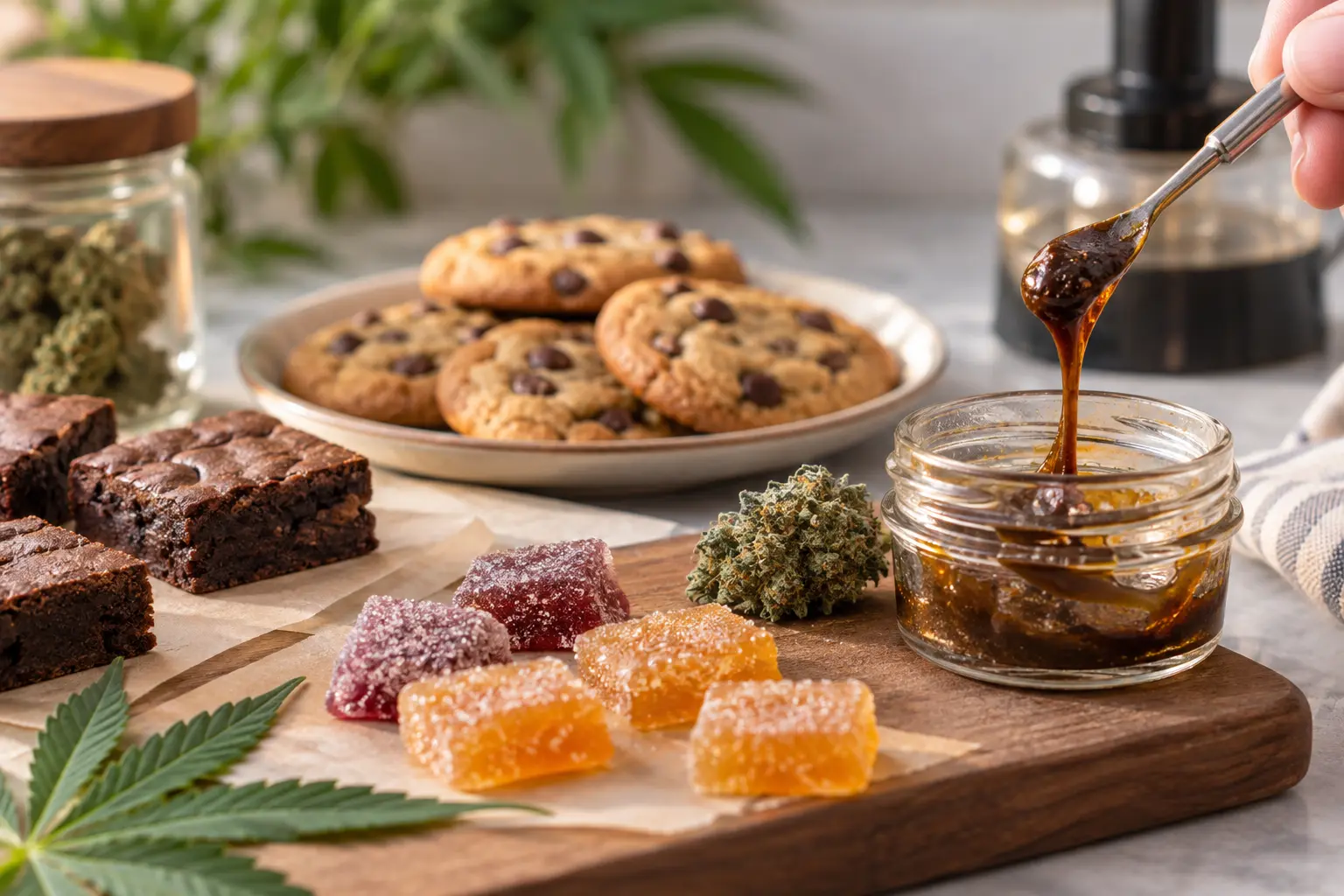
Common formats people discuss include:

  • Brownies
  • Cookies
  • Chocolate-based foods
  • Gummies
  • Capsules
  • Infused oils or butter

However, the format does not solve the underlying dosing problem. A gummy made with homemade reclaim is still difficult to dose accurately if the starting material has an unknown THC concentration.

For that reason, commercially produced and tested edibles are generally easier to dose consistently than homemade products.

Why Fat Is Commonly Used With Cannabis Edibles

Cannabinoids such as THC are fat-soluble, which is one reason cannabis-infused oils and fats are commonly used in edible preparations.

This principle is different from saying that a particular oil, butter, or recipe will make reclaim more potent. The final effects still depend on the cannabinoid content of the starting material and how much of it is actually consumed.

If you’re making a homemade edible, remember that better mixing does not create a known THC concentration.

Can You Use Reclaim Without Decarboxylating It Again?

This is one of the most common questions about reclaim.

Fresh cannabis material may require decarboxylation before it is consumed in an edible because heat converts acidic cannabinoids into forms such as THC.

Reclaim is different because it has already undergone heating during vaporization. That means an additional decarboxylation step is not automatically necessary in the same way it can be with untreated cannabis.

However, the amount of active THC remaining cannot be determined simply by looking at the reclaim. Its previous heat exposure may also have changed its cannabinoid profile.

So the practical takeaway is:

Do not assume that reheating reclaim will make it more predictable or more potent.

Reclaim vs. Fresh Cannabis for Edibles

Factor Reclaim Fresh cannabis material
Previous heat exposure Yes Usually requires preparation
THC concentration Difficult to know without testing Also depends on starting material
Flavor Often stronger or harsher Depends on strain and preparation
Dosing consistency Low when homemade Low unless tested
Cannabinoid profile Altered by previous heating More representative of starting material
Best for precise dosing No Lab-tested products are better

Neither homemade option provides the same dosing certainty as a regulated edible with verified cannabinoid content.

Is Eating Reclaim Safe?

There is no simple yes-or-no answer.

The safety of reclaim depends on what the original concentrate contained, how the reclaim was collected, whether it became contaminated, and how much THC it contains.

The uncertainty is particularly important when reclaim comes from an unknown or unregulated source.

You should also remember that cannabis edibles can produce stronger or longer-lasting impairment than people expect. Health Canada reports that edible effects may begin within 30 minutes to 2 hours and can last several hours, with some residual effects lasting longer.

If someone experiences severe or concerning symptoms after consuming cannabis, seek appropriate medical help or contact a poison control service.

How to Store Homemade Cannabis Edibles Safely

Storage is just as important as preparation.

Cannabis-infused food can look exactly like ordinary food. That creates a serious risk if another person accidentally eats it.

Keep homemade cannabis products:

  • In clearly labeled containers
  • Separate from ordinary snacks
  • Away from children
  • Away from pets
  • In a secure location
  • Stored according to the requirements of local law

The CDC specifically recommends keeping cannabis products in locked, childproof storage and away from children and pets.

Never leave an infused brownie, cookie, candy, or other edible sitting on a kitchen counter where someone could mistake it for regular food.

What to Do If an Edible Feels Too Strong

Taking too much THC can cause unpleasant effects such as anxiety, panic, confusion, sleepiness, or impaired coordination.

If you accidentally consume more than intended:

  1. Stop consuming cannabis.
  2. Move somewhere calm and safe.
  3. Do not drive.
  4. Avoid alcohol or other intoxicating substances.
  5. Stay with someone you trust if possible.
  6. Seek medical help if symptoms are severe or concerning.

Remember that edible effects can continue developing after consumption, so trying to “fix” the experience by taking another substance can create additional risks.

Frequently Asked Questions About Reclaim Edibles

What is reclaim in cannabis?

Reclaim is the residue left behind after cannabis concentrate has been heated and vaporized. It can contain cannabinoids, although its exact composition and potency vary.

Can you eat reclaim?

Reclaim may contain active cannabinoids and can produce effects when swallowed. However, its purity and potency are difficult to determine without laboratory testing.

Do you need to decarb reclaim before making edibles?

Reclaim has already experienced substantial heat during vaporization, so it may already contain decarboxylated cannabinoids. An additional heating step is not automatically required. The exact cannabinoid profile, however, cannot be known simply by looking at the reclaim.

Are reclaim edibles stronger than regular edibles?

Not necessarily. Reclaim potency varies from batch to batch, so there is no reliable way to say that reclaim edibles are always stronger or weaker than other cannabis edibles.

How long do reclaim edibles take to work?

Because reclaim is consumed orally, effects can be delayed. Cannabis eaten or drunk can begin producing effects within about 30 minutes to 2 hours, and full effects may take up to four hours.

Can reclaim make you too high?

Yes. Any cannabis product containing enough THC can cause unwanted or excessive intoxication. Homemade reclaim is especially difficult to dose because its THC concentration is usually unknown.

How should cannabis edibles be stored?

Keep them clearly labeled and securely stored away from children, pets, and anyone who might mistake them for ordinary food. Locked storage is recommended.

Is making cannabis edibles legal?

Cannabis and homemade edible laws vary by location. Check your state or country’s current cannabis regulations before preparing, possessing, sharing, or transporting homemade cannabis products.

Final Thoughts

Learning how to make reclaim edibles starts with understanding what reclaimed edibles actually are and, just as importantly, what you cannot know about it.

Reclaim can contain cannabinoids left behind after concentrate is vaporized, but homemade reclaim is not a standardized ingredient. Its potency, purity, flavor, and cannabinoid profile can vary considerably.

If you decide to consume cannabis, the most predictable option is a legally purchased product with clear, laboratory-tested cannabinoid information. If you use homemade preparations, treat their strength as uncertain, avoid rapid redosing, keep them away from children and pets, and never drive while impaired.

For medical cannabis use, talk with a qualified healthcare professional about whether cannabis is appropriate for your situation and which products may provide more consistent dosing.

Sources

Health Risks of Smoking Blunts: What You Should Know

Health Risks of Smoking Blunts

Smoking a blunt may seem similar to smoking cannabis in a joint, but there is an important difference: traditional blunts use tobacco-based wraps. That means you may be exposed to cannabis smoke and tobacco smoke during the same session.

This combination can introduce nicotine, carbon monoxide, tar, and other potentially harmful chemicals into your body. Cannabis smoke itself also contains many of the same toxins and irritants found in tobacco smoke.

If you smoke blunts regularly, understanding these risks can help you make more informed decisions about cannabis consumption and your health.

Considering Medical Cannabis?

Get professional guidance on medical marijuana, eligibility, and safer ways to use cannabis based on your individual needs.

>>Speak With a Medical Marijuana Doctor<<

What Is a Blunt?

A blunt is cannabis rolled inside a cigar, cigarillo, or tobacco leaf wrap rather than ordinary rolling paper. Depending on the product, the wrap itself can contain tobacco and nicotine.

That distinction is important because removing the loose tobacco from a cigar does not necessarily remove tobacco exposure. If the remaining wrap is made from tobacco, burning and inhaling it can still expose you to nicotine and tobacco-related chemicals.

Some people also use the word “blunt” to describe cannabis rolled in a tobacco-free wrap. Those products have a different risk profile because they do not contain tobacco, although smoking any plant material still creates combustion byproducts.

Are Blunts Bad for You?

Yes. Smoking blunts carries health risks, particularly when the wrap contains tobacco.

There are two main sources of exposure:

  1. Cannabis smoke
  2. Smoke from the tobacco-based wrap

The Centers for Disease Control and Prevention (CDC) says smoked cannabis can harm lung tissue and that cannabis smoke contains many of the same toxins, irritants, and carcinogens found in tobacco smoke.
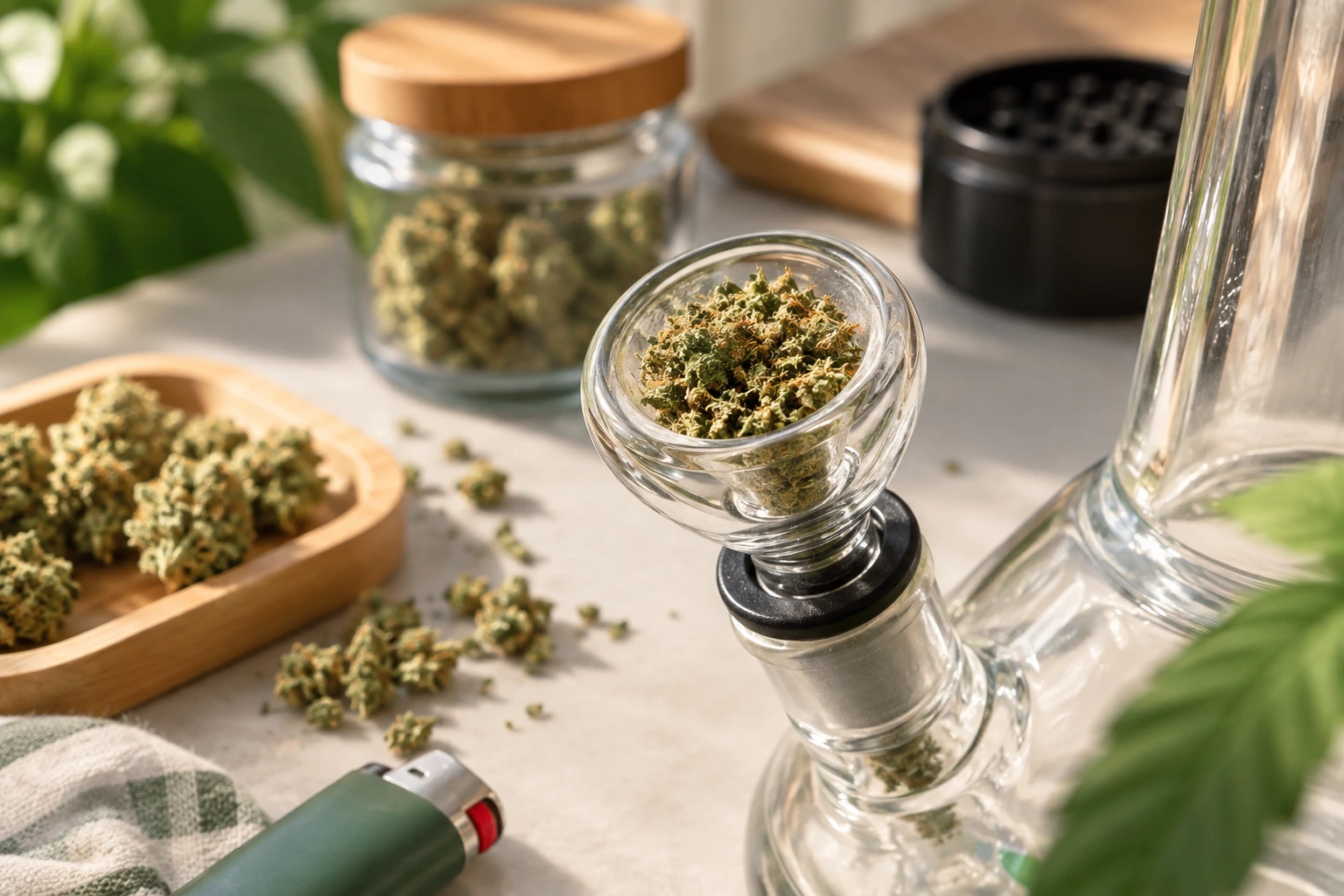
When tobacco is also burned, you add exposure to nicotine and other chemicals associated with tobacco-related disease.

The level of risk depends on factors such as how often you smoke, how much you smoke, whether tobacco is present, and your individual health.

7 Health Risks of Smoking Blunts

1. Nicotine Exposure and Dependence

One of the biggest differences between a traditional blunt and a cannabis-only joint is the tobacco wrap.

Tobacco contains nicotine, a highly addictive substance. Repeated exposure can lead to dependence, meaning a person may develop cravings or find it difficult to stop using nicotine.

You can therefore be exposed to nicotine even if you do not think of yourself as a tobacco smoker.

This is particularly relevant for people who smoke blunts frequently.

2. Lung Irritation and Respiratory Symptoms

Burning cannabis produces smoke that can irritate the respiratory system.

Regular cannabis smoking has been associated with respiratory symptoms such as:

  • Chronic cough
  • Increased mucus production
  • Wheezing
  • Symptoms of bronchitis

The CDC reports that smoking cannabis can damage lung tissue and is associated with bronchitis, coughing, and increased mucus production.

The American Lung Association also notes that marijuana smoke can injure the lining of the large airways and contribute to respiratory symptoms.

3. Exposure to Toxic Chemicals

Smoke from combustion contains more than the substance you intend to consume.

Cannabis smoke contains many of the same toxins, irritants, and cancer-causing chemicals found in tobacco smoke. Tobacco smoke also contains toxic compounds associated with serious diseases, including cancer and cardiovascular disease.

Because a blunt combines cannabis with a tobacco-based wrapper, you may be exposed to harmful compounds from both sources.

4. Carbon Monoxide Exposure

Combustion produces carbon monoxide (CO), a gas that can interfere with the body’s ability to transport oxygen.

Smoking cannabis produces carbon monoxide exposure, just as burning tobacco does. This is one reason smoke inhalation can place additional stress on the cardiovascular and respiratory systems.

The amount of exposure varies based on how a person smokes, how much material is burned, and how frequently they smoke.

5. Cardiovascular Effects

Smoking exposes the cardiovascular system to substances that can affect the heart and blood vessels.

Cannabis can temporarily increase heart rate after use, while tobacco smoke contains chemicals associated with cardiovascular disease. The combination is therefore not considered harmless.

People with existing heart or cardiovascular conditions should discuss cannabis use with a healthcare professional, particularly if smoking causes noticeable symptoms such as chest discomfort, rapid heartbeat, dizziness, or shortness of breath.

6. Potential Long-Term Lung Concerns

Researchers continue to study the long-term effects of cannabis smoking.

There is established evidence that cannabis smoke can damage lung tissue and cause respiratory symptoms, but the relationship between cannabis smoking and lung cancer remains less certain than the well-established relationship between tobacco smoking and cancer.

That distinction is important.

It would be inaccurate to say that smoking cannabis has exactly the same long-term cancer risk as cigarette smoking. At the same time, the absence of definitive evidence for a particular cancer outcome does not make smoke inhalation safe.

7. Secondhand Smoke Exposure

The risks are not limited to the person holding the blunt.

Secondhand cannabis smoke contains many of the same toxic and cancer-causing chemicals found in tobacco smoke. It can also contain THC. If people are smoking blunts inside a home, car, or another enclosed area, others nearby may be exposed to the smoke.

Children, pregnant people, older adults, and individuals with respiratory conditions can be particularly important considerations when deciding where cannabis is consumed.

Are Tobacco Blunts More Risky Than Cannabis-Only Joints?

They can be, because a traditional blunt adds tobacco exposure to cannabis smoking.

A cannabis-only joint still involves combustion and therefore still produces smoke and potentially harmful compounds. However, a tobacco-based blunt introduces another source of nicotine and tobacco-related toxins.

So the comparison is not simply:

  • Blunt = cannabis
  • Joint = safe

A more accurate way to think about it is:

  • Traditional blunt: cannabis + tobacco wrap + combustion
  • Cannabis joint: cannabis + rolling paper + combustion

Neither method is risk-free, but avoiding a tobacco wrap eliminates the nicotine and tobacco-specific exposure associated with the wrap.

Are Blunts Addictive?

They can contribute to nicotine dependence when tobacco-based wraps are used. Nicotine is highly addictive, and repeated tobacco exposure can lead to dependence.

Cannabis use can also become problematic for some people. The CDC notes that some people who use cannabis develop cannabis use disorder, which can involve difficulty controlling use despite negative consequences.

This means a person who regularly smokes blunts may be dealing with exposure to both nicotine and THC, depending on the products and patterns of use.

Does Holding Blunt Smoke in Your Lungs Make It Stronger?

Holding smoke in your lungs for longer does not make smoking safer.

Longer breath-holding increases the time your respiratory tissues are exposed to smoke. It also does not eliminate the harmful substances produced through combustion.

There is no health benefit to deliberately keeping smoke in your lungs for an extended period. If you experience coughing, chest discomfort, wheezing, or shortness of breath while smoking, that is a reason to stop and consider speaking with a healthcare professional.

Are Tobacco-Free Blunt Wraps Safer?

A tobacco-free wrap can remove tobacco and nicotine exposure, which is an important difference.

However, “tobacco-free” does not mean “risk-free.”

If the wrap and cannabis are burned, you are still inhaling smoke and combustion products. The CDC states that smoked cannabis can harm lung tissue regardless of whether it is smoked in a joint, blunt, bowl, or bong.

So switching from a tobacco wrap to a tobacco-free wrap may remove one source of exposure, but it does not eliminate the risks associated with inhaling smoke.

What About Smoking Blunts Occasionally?

Occasional use generally means less cumulative exposure than frequent or daily smoking, but less exposure does not mean no exposure.

Every smoking session can expose the lungs to combustion products. If a tobacco wrap is used, there is also nicotine exposure.

Your overall risk can depend on:

  • How often you smoke
  • How much cannabis you use
  • Whether the wrap contains tobacco
  • How deeply you inhale
  • How long you have been smoking
  • Whether you also smoke cigarettes or use other tobacco products
  • Your existing lung and heart health

Someone who smokes once a month does not have the same exposure pattern as someone who smokes several blunts every day.

What Are Lower-Smoke or Non-Smoked Cannabis Options?

If your main concern is reducing exposure to smoke, changing the method of consumption can eliminate or reduce combustion-related exposure.

Depending on your circumstances and local laws, options may include:

1. Edibles

Edibles deliver cannabis through the digestive system instead of the lungs. However, their effects can take longer to appear and may last much longer than inhaled cannabis.

Because of that delayed onset, taking more before the first dose has fully taken effect can increase the chance of consuming too much.

2. Tinctures or Oral Products

Some cannabis products are designed for oral or sublingual use rather than smoking. Their effects can differ from inhaled cannabis, so following product directions and discussing medical cannabis use with a healthcare professional is appropriate.

3. Dry-Herb Vaporization

Vaporization heats cannabis rather than burning it. This can reduce exposure to some combustion products compared with smoking, but it does not make inhalation risk-free.

The long-term health effects of cannabis vaporization are still being studied. For medical cannabis patients, the best method depends on the individual’s condition, medications, goals, and medical history.

How Can You Reduce the Risks If You Currently Smoke Blunts?

If you are not ready to stop using cannabis, there are practical steps that may reduce certain exposures.

1. Avoid tobacco-based wraps

Choosing a tobacco-free option eliminates nicotine from the wrap itself.

2. Avoid mixing cannabis with tobacco

Combining cannabis with tobacco increases exposure to nicotine and tobacco smoke.

3. Avoid smoking indoors

This can reduce secondhand smoke exposure for other people in the household. Cannabis smoke can contain THC as well as toxic and cancer-causing chemicals.

4. Consider non-smoking methods

If lung health is your primary concern, a non-inhaled method avoids smoke exposure altogether.

5. Talk to a healthcare professional

If you use cannabis for a medical condition, a clinician can help you consider whether your method of administration makes sense for your health needs.

When Should You Talk to a Doctor?

Smoking-related symptoms should not automatically be dismissed as a normal part of cannabis use.

Consider medical advice if you experience:

  • Persistent cough
  • Wheezing
  • Shortness of breath
  • Chest pain or pressure
  • Coughing up blood
  • Repeated respiratory infections
  • Symptoms that are becoming more frequent or severe

Seek urgent medical attention for severe breathing difficulty, significant chest pain, coughing up substantial amounts of blood, fainting, or other potentially serious symptoms.

Frequently Asked Questions

Are blunts worse for your lungs than joints?

Traditional blunts add tobacco exposure because the wrap is often made from tobacco. Both blunts and joints involve smoke inhalation, so neither should be considered harmless. The CDC states that smoked cannabis can damage lung tissue regardless of how it is smoked.

Do blunt wraps contain nicotine?

Traditional cigar and cigarillo wraps can contain tobacco and therefore nicotine. Nicotine is highly addictive.

Can smoking blunts cause lung problems?

Yes. Cannabis smoke can irritate and damage lung tissue and has been associated with coughing, mucus production, and bronchitis symptoms.

Are tobacco-free blunts safer?

A tobacco-free wrap removes the tobacco and nicotine exposure associated with a traditional tobacco wrap. However, if cannabis is still burned and inhaled, smoke-related risks remain.

Are blunts addictive?

Traditional blunts can expose you to nicotine, which can lead to dependence. Cannabis use can also become problematic for some people and may develop into cannabis use disorder.

Is smoking one blunt occasionally dangerous?

Occasional use generally results in less cumulative exposure than frequent smoking, but a single smoking session still involves inhaling combustion products. If tobacco is present in the wrap, there is also nicotine exposure.

Is cannabis smoke safer than cigarette smoke?

It is not accurate to describe cannabis smoke as harmless. Cannabis smoke contains many of the same toxins, irritants, and carcinogens found in tobacco smoke. However, the long-term health risks of cannabis smoking are not identical to those of cigarette smoking, and researchers are still studying several outcomes.

Does smoking a blunt affect people nearby?

Yes. Secondhand cannabis smoke contains toxic and cancer-causing chemicals and can contain THC. Smoking around other people, particularly in enclosed spaces, can expose them to these substances.

Final Thoughts

The health risks of smoking blunts come from more than cannabis alone. When a tobacco-based wrap is used, you are combining cannabis smoke with exposure to nicotine and tobacco-related chemicals.

Smoking cannabis can also harm lung tissue and contribute to respiratory symptoms.

If you want to reduce your exposure, avoiding tobacco-based wraps and considering non-smoked cannabis options can remove some of the risks associated with tobacco or combustion. However, no cannabis consumption method should automatically be considered risk-free.

If you use cannabis for medical purposes or have an existing heart or lung condition, discuss your options with a qualified healthcare professional before changing your treatment or consumption method.

Sources

How Long Does Cannabis High Last? Effects, Timing, Edibles & What to Expect

How Long Does Cannabis High Last

If you are wondering how long does cannabis high lasts, there is no single answer that applies to everyone. The experience depends on how cannabis was consumed, how much THC was taken, the product’s potency, your tolerance, and individual factors such as metabolism.

For many people, the noticeable effects from inhaled cannabis last around 1–3 hours, while edibles can produce effects for several hours and sometimes much longer. Research shows that oral cannabis generally has a slower onset and longer-lasting effects than inhaled cannabis.

The important part is that feeling less high does not necessarily mean that all effects have disappeared. If you still feel impaired, avoid driving, operating machinery, or doing anything that requires quick reactions and good judgment.

How Long Does Cannabis High Last?

The answer mainly depends on the method of consumption.

Cannabis method When effects may begin Typical duration of noticeable effects
Smoking Seconds to minutes About 1–3 hours
Vaping Minutes About 1–3 hours
Edibles About 30 minutes–2 hours Roughly 4–12 hours
Oral cannabis products About 30 minutes–2 hours Several hours
Topical products Varies Usually do not produce a traditional high

These are general ranges, not guarantees. The National Academies reports that inhaled cannabis can produce intoxicating effects within seconds to minutes and generally lasts about 1–3 hours. Oral THC takes longer to produce effects and can last roughly 4–12 hours depending on factors such as dose and formulation.

Why can the same cannabis product affect people differently?

Two people can use the same product and have very different experiences. Factors that can change the intensity or duration include:

  • THC concentration
  • Amount consumed
  • Method of consumption
  • Previous cannabis use and tolerance
  • Individual metabolism
  • Whether an edible was taken with food
  • Other medications or substances
  • Alcohol use
  • The formulation of the cannabis product

The route of administration is particularly important because inhaled THC reaches the bloodstream much faster than orally consumed THC.

How Long Does Cannabis High Last When You Smoke?

Smoking cannabis produces effects relatively quickly because THC is absorbed through the lungs.

You may notice effects within seconds to a few minutes, with effects often becoming strongest during the first part of the experience. Research has found that THC concentrations in the blood rise rapidly after inhalation, with peak levels occurring within minutes.

For many people, the main intoxicating effects fade within approximately 1–3 hours.

However, that does not mean every person will feel completely normal after three hours. A stronger product, larger amount, or individual sensitivity can make the experience last longer.

What does a cannabis high feel like?

The experience varies, but THC may cause effects such as:

  • Relaxation or euphoria
  • Altered sense of time
  • Increased appetite
  • Changes in sensory perception
  • Sleepiness
  • Reduced attention
  • Short-term memory problems
  • Slower reactions
  • Anxiety or paranoia in some people

The same person may also experience different effects on different occasions.

How Long Does Cannabis High Last From Vaping?

Vaping THC also produces relatively fast effects because cannabinoids enter the bloodstream through the lungs.

The timing is broadly similar to smoking, although the actual experience can vary depending on the device, concentrate, THC concentration, inhalation pattern, and amount consumed.

Research shows that inhaled THC can reach peak blood concentrations within approximately 3–10 minutes, although individual results vary.

Because some vape products contain highly concentrated cannabis extracts, the amount of THC delivered can be quite different from one product to another. This can make the experience feel stronger or last longer than expected.

How Long Does an Edible High Last?

Edibles are different from smoking or vaping. When you eat cannabis, THC must pass through the digestive system before it reaches the bloodstream. This creates a much slower onset.

You may not feel anything for 30 minutes to 2 hours, and peak effects can occur later. Once the effects begin, they can last for 4–12 hours, depending on the dose and other factors. This delayed timing is one of the biggest reasons people accidentally consume more THC than intended.

For example, someone might eat an edible and think, “Nothing is happening.” If they take another dose before the first one has fully taken effect, the combined amount may produce much stronger and longer-lasting effects.

The CDC specifically warns that edible cannabis can take 30 minutes to 2 hours to produce intoxicating effects and can last longer than expected.

Why do edibles last longer?

Orally consumed THC is processed differently from inhaled THC. The liver converts THC into metabolites, including 11-hydroxy-THC, which is psychoactive. Oral cannabis also has delayed absorption and undergoes first-pass metabolism in the liver.

That combination helps explain why an edible can take longer to kick in but remain noticeable for much longer.

What Factors Affect How Long a Cannabis High Lasts?

There is more to duration than simply “how much cannabis did you use?”

1. THC potency

A product containing a higher concentration of THC can produce stronger effects, particularly when a larger amount is consumed.

Higher THC exposure can also increase the chance of unwanted effects such as anxiety, confusion, or an uncomfortable level of intoxication.

2. How much you consume

The amount of THC matters. A small amount and a large amount are unlikely to produce the same experience. With edibles, the total THC content can be especially important because the effects may take a while to appear.

3. Your tolerance

People who use cannabis frequently may experience different effects from occasional users. Tolerance can develop with repeated use, meaning someone may need more cannabis to experience the same effects.

That does not mean higher amounts are necessarily safer.

4. Method of consumption

Smoking and vaping generally act faster and wear off sooner than edible products.

This is one of the most reliable differences between cannabis consumption methods.

5. Food and digestion

The timing and intensity of an edible can be affected by whether you have eaten, along with other factors affecting digestion and absorption. The CDC notes that food, medications, alcohol, and the amount consumed can all influence how long edible effects last.

6. Other substances or medications

Combining cannabis with alcohol or other substances can change the experience and may increase impairment.

If you take prescription medications, ask your healthcare professional or pharmacist about possible interactions before using cannabis. Cannabinoids can interact with drug-metabolizing enzymes, which may affect the levels or effects of some medications.

Cannabis High vs. THC Staying in Your Body

These are two different things.

You can stop feeling high while THC or its metabolites remain detectable in your body.

THC is highly lipid-soluble and can be stored in fatty tissues. Because of this, THC and its metabolites may remain in the body well after the noticeable effects have ended.

This means:

Feeling sober ≠ having no THC in your body.

It also means a drug test cannot simply tell you exactly when you last used cannabis or whether you are currently impaired. THC can remain detectable after the period of intoxication has passed.

How Long Does It Take to Feel Normal After Cannabis?

There is no exact “sobering up” timer for cannabis.

Someone may feel noticeably better after the main effects wear off but still experience:

  • Tiredness
  • Difficulty concentrating
  • A feeling of mental fog
  • Sleepiness
  • Reduced coordination
  • Changes in attention or reaction time

The safest approach is to give yourself enough time to feel fully alert before doing anything that requires concentration or coordination.

Can you speed up a cannabis high?

There is no reliable trick that instantly removes THC’s effects.

If you feel uncomfortably high, focus on staying somewhere safe and comfortable. Avoid taking more cannabis or adding alcohol or other drugs.

Simple steps that may help you cope while the effects wear off include:

  • Stay somewhere calm and familiar.
  • Drink water if you are thirsty.
  • Rest and avoid unnecessary physical activity.
  • Stay around someone you trust if you feel anxious.
  • Remind yourself that the effects will eventually decrease.
  • Avoid driving or operating machinery.

Do not rely on coffee, a cold shower, exercise, or other internet “sobering up” hacks to make you safe to drive.

Can You Drive After the High Wears Off?

If you are still experiencing effects, do not drive.

Cannabis can affect reaction time, decision-making, coordination, perception, and other skills needed for safe driving. The CDC recommends not driving while impaired by cannabis or other drugs.

Another important point is that there is no simple THC blood level that can tell an individual driver exactly how impaired they are. The relationship between THC concentration and driving impairment is more complicated than a simple alcohol-style measurement.

If you have used cannabis and need to travel, arrange a sober driver, rideshare, taxi, or another safe option.

What If You Feel Too High?

An uncomfortable cannabis experience can include intense anxiety, panic, confusion, dizziness, rapid heart rate, or paranoia. If this happens, stay in a safe environment and avoid taking additional cannabis or other intoxicating substances.

Edibles deserve particular caution because their delayed effects can lead people to consume more THC before the first dose has fully taken effect.

Seek urgent medical attention if someone has severe symptoms, loses consciousness, has trouble breathing, experiences a seizure, or otherwise appears seriously ill.

Does CBD Make a Cannabis High Go Away?

CBD and THC are different cannabinoids, and CBD is not a guaranteed way to stop a THC high.

Research into how CBD changes the effects of THC is still developing, and the outcome can depend on the amount and ratio of each cannabinoid, the product, and the individual.

Rather than relying on CBD as an “antidote,” the safer approach is to stop consuming THC, remain in a safe environment, and allow the effects to wear off.

Frequently Asked Questions

How long does a cannabis high last for the first time?

A first-time user may experience cannabis differently from someone with established tolerance. The effects can last for a few hours, and edibles may last considerably longer. There is no guaranteed timeline because dose, THC potency, consumption method, and individual response all matter.

Does smoking or eating cannabis last longer?

Eating cannabis generally lasts longer. Inhaled cannabis acts quickly and commonly produces noticeable effects for around 1–3 hours. Edibles have a slower onset and can produce intoxicating effects for roughly 4–12 hours.

How long does a weed high last from an edible?

An edible can begin producing effects in about 30 minutes to 2 hours, while the intoxicating effects can continue for several hours. Research and public-health guidance commonly place the duration around 4–12 hours, depending on the dose and individual circumstances.

Can a cannabis high last all day?

It can happen, particularly after consuming a large amount of THC, using a high-potency product, or taking an edible. Some people may also continue feeling residual effects such as tiredness or mental fog after the strongest part of the high has passed.

Why do edibles feel stronger or last longer?

Edibles are processed through the digestive system and liver before THC reaches circulation. This creates a delayed onset and produces active metabolites, contributing to a longer-lasting experience compared with inhalation.

Does your tolerance change how long a cannabis high lasts?

Tolerance can change how strongly someone experiences cannabis. Frequent use may reduce the perceived effects of a given amount, although tolerance does not make cannabis risk-free.

Can you still be impaired after you stop feeling high?

Yes. The strongest subjective effects may have faded while some impairment remains. If you do not feel completely alert and capable of making quick decisions, do not drive or operate machinery.

How long does THC stay in your body?

That is different from how long the high lasts. THC and its metabolites can remain in the body considerably longer than the intoxicating effects. Detection time varies based on the type of test, frequency of use, amount consumed, and individual factors.

The Bottom Line

So, how long does a cannabis high last? For inhaled cannabis, the main intoxicating effects often last around 1–3 hours. Edibles usually take longer to start but can last approximately 4–12 hours. These are general ranges, not exact guarantees.

The biggest factors are the amount of THC, product potency, consumption method, tolerance, and individual response.

If you have consumed cannabis and are still feeling impaired, give yourself time and stay somewhere safe. Most importantly, do not drive simply because you think the strongest part of the high has passed. Cannabis can affect reaction time, coordination, perception, and judgment.

Sources

Obtain Your Cheapest Medical Marijuanas Card Online In New York In 2024

Obtain Your Cheapest Medical Marijuanas Card Online In New York In 2024

One of the best medical marijuana programs in existence right now, operating in numerous US states, is the one in New York. Despite only being introduced in 2014, the program has experienced remarkable growth, supported by timely updates to the state’s cannabis laws. There are over 120K registered patients in New York State alone, and the number is growing exponentially. We’re willing to wager that, given your diagnosis of a qualifying medical condition, you may be considering signing up for the state’s cannabis program. What is the standard cost for obtaining the cheapest medical marijuanas card online in New York, and is there any way to get one for less money? Let’s investigate that now.

Navigating New York’s medical marijuana program

The medical cannabis program in New York is very comprehensive and centers on the needs of the patients. The program’s main features include permissible cannabis possession limits and the ability to consume cannabis in some public areas.

Two requirements must be satisfied for your application for a medical marijuana card to be approved by the state. To begin with, you have to be a permanent resident of New York. Second, you need to have a diagnosis of one of the medical conditions listed in the state’s cannabis regulations that qualify.

Furthermore, bear in mind that the New York medical marijuana card is only valid inside the state of New York or in the states that have cooperated with New York regulatory bodies to establish reciprocity agreements about the acceptance of medical marijuana cards nationwide.

Eligible medical conditions for a medical marijuana card in NYC

According to state law, to apply for a New York medical marijuana card, a patient must have a diagnosis of one of the following qualifying medical conditions:

  • Neuropathies
  • Autism
  • Amyotrophic lateral sclerosis (ALS)
  • Dystonia
  • Muscular dystrophy
  • HIV/AIDS
  • Epilepsy
  • Substance use disorder
  • Rheumatoid arthritis
  • Huntington’s disease
  • Alzheimer’s disease
  • Post-traumatic stress disorder (PTSD)
  • Inflammatory bowel disease (IBD)
  • Multiple sclerosis
  • Cancer
  • Parkinson’s disease
  • Chronic pain

Step-by-step guide to getting the cheapest medical marijuanas card online

Basically, the first thing to do is assess your health. Consider whether using medical marijuana is ultimately necessary for your wellbeing. Meanwhile, be sure to thoroughly comprehend the laws pertaining to medical cannabis in New York.

Now is the perfect moment to locate a licensed physician in order to receive a reliable diagnosis, should you determine that a cannabis-based treatment plan will benefit you the most.

Remember, this one factor alone will have a significant impact on the total cost of your medical marijuana card. Choose a physician whose consultation costs fit into your budget, or use telemedicine-based solutions to simplify your life and save a lot of money.

Now that you have been diagnosed with medical cannabis, you need to register on the My NY portal and complete an online application. Recall that the application will ask you to send in a patient certification that you received from your physician along with a note on your diagnosis.

Thankfully, there is no additional application fee levied by the state of New York when obtaining a medical marijuana card. After the appropriate department receives your application, you will receive a digital copy of your card that is good for 30 days. Don’t worry; within 7 to 10 days of the approval, you should receive a hard copy of your New York medical marijuana card in the mail.

Comparing costs: medical card providers in New York

There are two primary groups of medical card appointment providers in the state of New York. Each platform has different pricing ranges, but in general, a telemedicine consultation in New York will run you between $100 and $200.

However, the traditional clinic system is far more expensive than that. The cost of an in-person appointment can vary greatly depending on the day and time of the appointment, with an average fee of approximately $400. If you opt for the NY Medical Card, however, you can purchase it online from the comfort of your home for a mere $149.

How to Save on Your Medical Marijuana Application Costs

The consultation fee is the only expense you will have to pay for your medical marijuana card, as the state of New York has waived the $50 application fee. Now, we will advise you to carefully weigh your options, regardless of the consultation mode you prefer.

Make sure the platform or service you choose for your consultation fits within your budget, allows you to set your own appointment time and date, and gives you enough time to ask your doctor any questions you may have about choosing to receive cannabis-based treatment.

How Telemedicine Helps Reduce Medical Card Costs

There’s no doubt about it: the emergence of telemedicine platforms has altered the state’s medical marijuana program’s efficacy and overall strategy. Nowadays, reputable telemedicine-powered platforms are available that provide medical cannabis consultation appointments at significantly lower costs than in-person visits.

Furthermore, it is impossible to overlook the extra advantages connected to telemedicine platforms. Not only can you schedule an appointment online from the comfort of your home, but many telemedicine platforms also offer a money-back guarantee in the unlikely event that you are dissatisfied with the services they provide.

Discounts and Assistance Programs for Medical Marijuana Patients

If a qualified patient lacks the funds to purchase cannabis, there are numerous organizations and assistance programs operating all over the United States that make sure they get support and significant discounts on their purchases. You can easily locate flyers in your neighborhood that include all the pertinent information about these programs, or you can search for them online.

The Leaf411 Affordability Program is one such aid initiative that merits recognition. The program’s main goal is to provide qualifying low-income people and households across the US with donated medical cannabis products.

Cost-Effective Ways to Renew Your Medical Marijuana Card

Everyone can now rejoice because the state of New York has decided not to charge qualifying medical cannabis patients for the issuance or renewal of MMJ cards. That doesn’t eliminate the consultation fee you still owe your physician, though.

According to state law, you must now see a licensed physician once more to obtain an updated patient certification in order to renew your medical marijuana card. We suggest that you choose a telemedicine-powered platform so that you can renew your medical marijuana card affordably and receive fantastic discounts for your second visit.

The Closing Words!

There is no doubt that the state of New York has a patient-centered medical marijuana program that strives to offer equal opportunities and high-quality services. It is up to you to make wise decisions and reduce the cost of your overall medical consultation in order to find the most affordable method of obtaining the cheap medical cards in New York, though the state does not impose any additional application fees.

Everything You Need To Know About Do Si Dos Strain

Do Si Dos Strain

Over the period of time, Do-Si-Dos has gained immense popularity for being one of the favorite cannabis strains among all cannabis fans worldwide. Called by the names Dosi or Dosi Doe, Do Si Dos is well-known for its unique and fantastic flavor and smell. Apart from that, it has high levels of THC (tetrahydrocannabinol), making Do-Si-Dos a true winner for many cannabis consumers.

That’s not all!

This magical strain is known to offer incredible therapeutic and mental health benefits to people suffering from mental health issues like anxiety and depression. In fact, many people find it one of the best strains for anxiety. If you or someone you know is struggling with anxiety, may consider taking Do-Si-Dos to improve your mental health condition. However, it is recommended to consult NY Medical Card to get an MMJ card online approved by medical experts.

For further information on Do-Si-Dos strain, read this all-inclusive blog that discusses the meaning, benefits, and side effects of Do-Si-Dos strain.

An Overview Of Do-Si-Dos Strain

Do-Si-Dos is a popular hybrid strain containing 70% Indica and 30% Sativa. It is a pungent, well-balanced, and Indica-dominant strain that has long-lasting effects on users as compared to other strains.

As already mentioned above, this small plant contains high THC levels, so it can make you feel stoned or high, no matter whether or not you are an experienced or first-time cannabis user.

The effects of Do-Si-Dos are very potent and high, making you feel dreamy, euphoric bliss. However, you can still enjoy high THC levels, just be aware of dosages of Do-Si-Dos.

Characteristics of Do-Si-Dos Strain

Some of the characteristics of the Do-Si-Dos strain that make it the favorite choice among all cannabis enthusiasts are

Aroma: Do-Si-Dos strain has a pungent, dank, and earthy smell. The sweet and fermented odor is also present in the flower which attracts many of its potential users. The smell of this strain is strong enough to fill an entire room.

Flavor: It has a delicious yet pungent flavor. The smoke tastes both skunky and fruity when exhaled. Since it contains terpenes also, you can experience a smooth inhale and floral exhale.

Appearance: The plant contains small-sized buds that look like popcorn clusters. Like other Indica strains, the flower has a dense structure and is magnetic in color. The leaves are green in color and contain orange pistils.

Last but not least the plant contains white trichomes covering the buds which are responsible for the psychoactive effects.

THC and CBD levels: As already mentioned, Do-Si-Dos contain high levels of THC and can make users extremely potent. On the other side, there is not much information on the quantity of CBD present in the Do-Si-Dos strain. However, it is believed that this strain contains even less than 1% of a trace amount of CBD.

Medical Benefits Of The Do-Si-Dos Strain

Do-Si-Dos may work wonders for people suffering from a range of medical conditions like

  • Chronic pain due to arthritis or lupus
  • Temporary pain due to injury
  • Nausea and headaches

Apart from the above, the strain is loaded with anti-inflammatory properties and induces Indica-dominant effects that help patients get relief from mild pains while uplifting their mood and creating lethargy.

Moreover, it may help patients struggling with mental conditions like depression and anxiety and can even help you alleviate sleeping disorders like insomnia. After smoking this bud, users can feel super relaxed and calm.

Also Read: Top 8 Cannabis Strains for Chronic Pain & Inflammation

Potential Side Effects of Do-Si-Dos Strain

Though Do-Si-Dos strain can help alleviate many physical and mental health conditions, a higher dosage can even wreak havoc on your overall well-being.

As already discussed, the strain contains high THC levels. If consumed in high quantities or dosages, the plant can result in paranoia. Also, it can result in other potential side effects like dry mouth, drowsiness, and itchy eyes to name a few. If overdosed, the strain can even hit you very hard, both physically and mentally.

Therefore, it is always better to start with less and consume small quantities of this bud. Moreover, people who are vulnerable to paranoia or anyone having low THC- tolerance must avoid having the Do-Si-Dos strain.

Let’s Wrap Up

Anyone who loves consuming Indica-dominant strains will definitely like the Do Si Dos strain due to its incredible effects on users. Highly beneficial, rewarding, and low maintenance, there are many reasons to like this strain. Furthermore, It is ideal for anyone who wants to feel relaxed and composed.

However, one must be cautious while consuming Do-Si-Dos as it is highly potent and can make you feel stoned. The high amounts of THC present in the strain can be very powerful for novice users. At the same time, the high amount may be beneficial for medical marijuana patients suffering from conditions like anxiety and pain. But it is always recommended to consult a medical marijuana expert before you consider taking marijuana. A medical expert can help you make the right decision to help you improve your mental or physical health.

Top 8 Cannabis Strains for Chronic Pain & Inflammation

Cannabis Strains

Taking the help of cannabis for the treatment of many major health issues is only natural in a rec state. Rec state is often an informal term for a state that has legalized the use of marijuana for medical as well as recreational purposes. 

It was back in 2014 when the New York state legalized the use of medical cannabis and it was on March 31, 2021 when the Marihuana Regulation & Taxation Act (MRTA) legalized  the adult-use of cannabis in the state. Which means that the people of the state are free to actively start using cannabis for the treatment or management of any severe medical issues troubling them.

With that in mind we have the medical marijuana doctors, New York sharing their expertise on the cannabis strains that people can smoke for severe chronic pain and inflammation symptoms. Before we list down the top 8 cannabis strains, we have to first know whether there are any studies that explain how cannabis helps in getting rid of the symptoms of chronic pain and inflammation. 

Cannabis for Chronic Pain & Inflammation: What Do the Studies Say?

There are many important research studies that have highlighted and substantiated the use of cannabis for the management and treatment of chronic pain and inflammation. Back in December 2011, University of California San Francisco pointed out that cannabis in combination with opiates can greatly expand the medical effectiveness of the treatment of chronic pain for patients. 

After this many other studies regarding the truly wonderful benefits of cannabis were conducted almost simultaneously. With such a growing popularity there was a need for the market to expand as well. The big cannabis brands started churning out many products to fulfill the requirement that was ever increasing. 

What is important here is the fact that this greatly contributed to people testing out products and finding relief through them. Especially products which have a high CBD and THC content in it. This inevitably also included a huge selection of cannabis flowers and strains that people started smoking for the same. Let us go through a list of the top strains that will help people treat and manage their chronic pain and inflammation symptoms.

Top 8 Cannabis Strains for Chronic Pain and Inflammation

Here is a list of cannabis strains you can try out if you are suffering from both, chronic pain and inflammation. 

Harlequin

A sativa dominant cannabis strain, Harlequin is truly an exceptional one that can actually work to reduce the symptoms of pain. If a CBD high strain doesn’t excite you, I don’t know what will. Not just pain, if you’re struggling from inflammation and anxiety, it will help you with that too. Frequent users swear of its pain relief effects for disorders like Epilepsy.

Despite only a little bit of THC in it, it is highly significant for the people to consume in a safe environment. 

ACDC

ACDC is the strain phenotype of the classic Cannatonic strain. It is another major strain that has a really high CBD content which makes it a perfect choice for medical patients. With the ratio of CBD: THC being 20:1, the patient is quite unlikely to feel any of the psychoactive effects. The patient will experience the relaxing effects only followed by immense pain relief.

Improving the mood, treating issues related to pain, the after-effects of chemotherapy, and psychological conditions like anxiety, whatever you want, you can enjoy them with this strain. 

Blue Dream

A strain that is perfect for you if you’re struggling from chronic pain, depression, and nausea is Blue Dream. Made by the mixing of two great strains like Blueberry and Haze, this strain is highly refreshing and sweet. Which is why people prefer using it quite often. One important thing that the patients must practice while consuming this strain is restraint. That’s because its yummy deliciousness can get slightly addicting, if you’re not careful enough. 

Cannatonic

Regarded as one of the most classical strains of all time, Cannatonic is a mix of G13 Haze and MK Ultra and is high in CBD content. The THC content isn’t as low as it was in other CBD rich strains, at around 6%, but with CBD level at around 17-18% the effects like pain reduction, anti-inflammation, as well as seizures and epilepsy pain relief can be experienced optimally.

Charlotte’s Web

A strain with an intriguing name like Charlotte’s Web also has a unique history to support it. Believed to be created for the benefit of a particular patient named Charlotte Figi, this strain was aimed at reducing the number of seizures associated with Dravet’s syndrome. The level of THC in this strain is well under 0.3% which exponentially expands its benefits for the patients. It is particularly brilliant for reducing the inflammation that is often associated with chronic pain.

Sour Diesel

A rather potent THC strain that will give you a mild intoxication high alongwith the special pain relief benefits and is a must try for every patient struggling from these symptoms is Sour Diesel. The experience that the consumption of this cannabis strain gives the users, keeps bringing them back for more and more. What’s even better is the fact that it can improve the energy and happiness levels of the afflicted patients to a great extent.

White Widow

Another rather interestingly named strain that has garnered and maintained the attention of people for a long while now is White Widow. As a highly potent cannabis strain, it is not advisable for beginners to try out. Smoking White Widow and feeling the effects of pain relief, insomnia and even anxiety is truly an exquisite experience. Important to note here is the fact that it should be consumed in moderation without any exploitation.

Blueberry  

Yet another classical strain that is being quite actively used these past few years is blueberry. The level of both major cannabinoids, CBD and THC in this strain is particularly high. It is then one of the best strains out there in the market for you to try out. What matters is the deep mental as well as physical relaxation that you will feel so make sure to only consume it when you have no important work to do during the day.

Cannabis Inhaling Vs. Ingesting: What Should You Choose?

Cannabis Inhaling

Cannabis is everywhere, from what we put inside our bodies to what we put on it, the market is filled with varieties that we can’t wait to test and experiment with. But just because these products are out there does not mean they’re good for us. Whether the product you’re willing to try is a recreational gummy or a high potency medical vape you bought with a medical marijuana card NY, it’s necessary to be aware of all related implications.

Both inhalation and ingestion are the two most common ways of consuming cannabis. Both, however, have their own set of pros and cons.

In this article, we will pay attention to what these methods of cannabis consumption mean. How effective and convenient they are. And how they affect our health. By the end of the article, you should be able to decide the right method of consumption for yourself.

Cannabis Inhaling: Smoking and Vaping

Inhalation is definitely the most preferred method of administration when it comes to cannabis. Why? Because of how quickly it gets working. 

Smoking and vaping can get you feeling the effects the fastest, delivering the cannabis directly to the lungs, where it enters the bloodstream. You’re sure to start feeling the effects within a minute, that’s how efficient the method is. 

But the method isn’t without cons. Both smoking and vaping can have a negative impact on your lungs, leading to a bunch of other medical conditions. This is why a pro- medical marijuana New York doctor would not recommend this method of administration for an asthamatic patient or one prone to lung infections. 

Smoking is the most dangerous method of consumption, closely followed by vaping. While these methods aren’t as awful as nicotine smoking, they aren’t the most healthy form to get your dosage. 

Cannabis Ingesting: Edibles and Drinks

Anything cannabis that goes through your digestive tract before entering your bloodstream is ingestible. These could be your favorite CBD rich brownies, your Delta 8 energy drinks or broad spectrum gummy rings. It could even be food infused with CBD or your favorite lemon drink with peppermint CBD oil drops added to it. 

In other words, you’ll find the most diverse set of product bundles for ingestibles. 

What’s better, these are easier to dose. Gummies, capsules, chocolate bars, or other edibles, all come with easy dosage directions that you can follow. It’s always preferable to reassure yourself by reading through the certificate of analysis of the product. 

Here’s the thing- every ingestible has to be digested and metabolized by the liver before the CBD and THC can start showing their effects, making this one a slower process. At the same time, this method leads to stronger and long lasting effects as opposed to other fast acting methods. 

Unfortunately, there are a bunch of other factors that decide how you react to these doses. It could be what you’ve eaten or how much, how sensitive you are to the cannabinoids, if you’ve taken the right dosage etc. 

Making the Differences Clear

Difference Inhalation Ingestion
Fast Acting Smoking and vaping take between a few seconds to minutes in taking effect. All products that are digested first take somewhere between 30 minutes to 2 hours. 
Long Lasting The effects are quick but short lived. You can take a few puffs after a few hours.  The effects take longer to appear but stay for much longer as well. You need to wait a few hours before ingesting more. 
Easier Dosage It can be difficult to measure how much you’re consuming in puffs.  For packaged goods, doses are predefined so you can easily administer as per directions. 
Safer Administration Smoking and vaping can be harmful for the lungs.  These do not harm any organ specifically. 
Intoxication  Since you feel its effects early on, it’s not prone to over intoxication.  The effects can take a few hours to show, leading users to consume more doses that can lead to over intoxicity. 
Taste The flowers have a natural earthy flavor but you can opt for alternatives with added flavor.  The capsules have no flavor, while the gummies, and drinks are available in multiple flavors. 

Making the Choice

We’ve already discussed what comes with both inhalation and ingestion of CBD products. Now all that’s left is for you to make the choice. 

Picking the right type of product can be pretty easy, if you just keep these questions in mind.

  • Do you need quick effects or long lasting effects?
  • Are you capable of managing your own doses or do you prefer easy dosage?
  • Are you willing to put your lungs at risk or do you prefer a safer method of consumption?
  • What type of consumption does your medical marijuana NY doctor recommend? 

You can also go as far as experimenting with different products and modes of administration till you find the right one. In any case, if you’re a first time user, always opt for smaller doses and lighter potencies. 

For medical marijuana users, a piece of advice from your MMJ doctor can be extremely helpful. They can advise you against any strains, potencies, or modes that might interfere with your prescription medications. 

Once you’ve decided the type of product you want to consume, question yourself about the following.

  • What is your preferred CBD potency?
  • Do you need a full spectrum, broad spectrum or isolate CBD product?
  • If broad spectrum, what THC concentration are you comfortable with? (With recreational products you cannot access a potency beyond 0.3%, but products bought with a medical marijuana card NY, you can get high concentrations of THC)
  • What other cannabinoids, terpenes or flavonoids do you want in your products?

There are other modes of administration too that you can opt for. Sublinguals and topicals are also extremely effective and can be found in a wide variety of products. Depending on your suitability you can choose the product that is most beneficial for you. 

It is always better to consult a medical marijuana New York doctor and get their opinion on the most suitable method of consumption for you.