


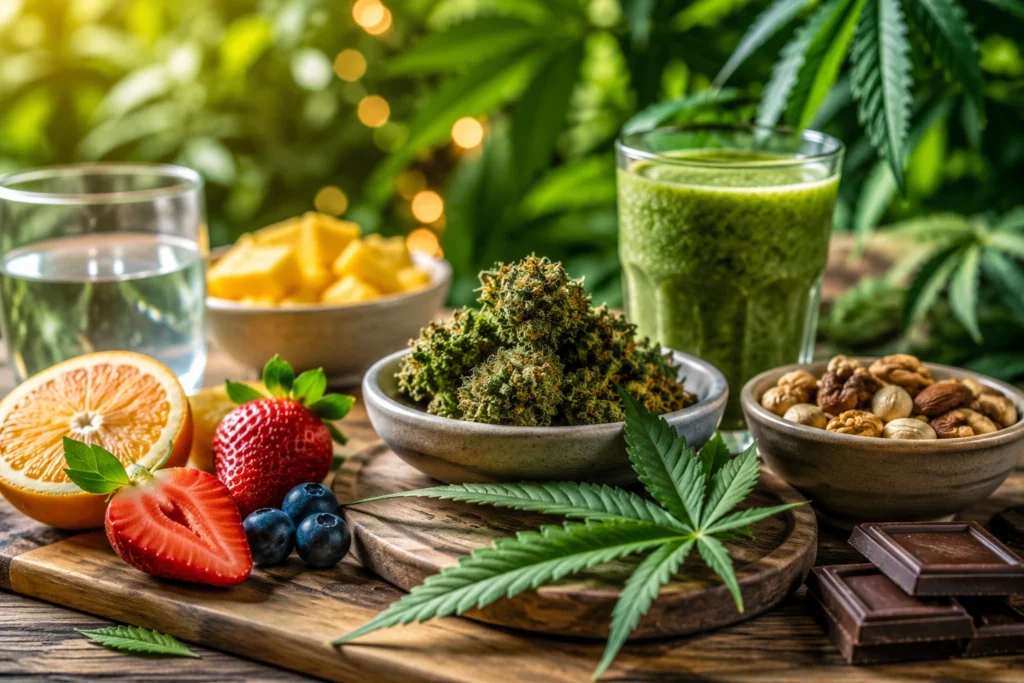
When your experience from using marijuana starts to seem less powerful or lasts for a shorter time period, you might be wondering what you can do to get a better high without just increasing your THC intake.
There are quite a few things that can affect how using marijuana feels, such as your tolerance, the strength of the weed, your method of intake, your environment, your food intake, and your own reaction to THC. Some common online suggestions for boosting your high are scientifically backed up, while some are mostly user experiences.
It is best to avoid pursuing an excessively strong high at any cost.
How to Enhance Your High Without Simply Taking More Cannabis
Before changing your dose, consider the factors that may already be affecting your experience.
Your response to cannabis can vary depending on the THC concentration, how you consume it, how often you use cannabis, your previous experience, and whether you combine it with other substances. The CDC also notes that edibles and high-THC products can have delayed or unpredictable effects.
Here are some practical things to consider:
- Give yourself enough time to feel the effects before deciding you need more.
- Avoid mixing cannabis with alcohol or other intoxicating substances.
- Pay attention to the THC strength of the product.
- Use cannabis in a comfortable environment.
- Stay hydrated.
- If your tolerance has increased, consider reducing your frequency rather than continually increasing your dose.
- Avoid driving or doing anything that requires quick reactions while impaired.
1. Understand Your Cannabis Tolerance
Tolerance is considered to be one of the primary factors that may make a known cannabis product less potent.
Repeated cannabis use may affect the response to THC in the body. The low-risk cannabis use guidelines suggest avoiding both frequent cannabis use and highly potent cannabis products since these characteristics are linked to higher chances of negative effects.
In case you use cannabis often and require increasingly large doses to achieve the same effect, then it would probably be more beneficial to take a break or decrease the frequency of cannabis use rather than keep increasing the dose.
What Does Tolerance Break Mean?
Tolerance break is also referred to as “T-break.” This is just taking time off from cannabis.
It is impossible to say how many days would suit every individual. Previous cannabis use history, its frequency and biological peculiarities may affect your sensitivity change.
Should you use cannabis for medical purposes, please consult your doctor before making any major changes to your routine.
2. Choose the Right THC Strength for Your Experience
More THC does not automatically mean a better experience.
Higher-potency cannabis can produce stronger intoxicating effects, but it can also increase the likelihood of unwanted effects such as anxiety, confusion, dizziness, and impaired coordination. The CDC specifically identifies high-THC products as having greater risks, particularly when the dose is difficult to judge.
Instead of automatically choosing the strongest product available, consider what type of experience you actually want.
For example:
- Lower THC: May be easier to control for people who are sensitive to cannabis.
- Balanced THC/CBD products: May provide a different experience than THC-dominant products.
- High THC: Can produce stronger effects but also carries a greater risk of uncomfortable intoxication.
If you are new to cannabis, starting with a lower-potency product is generally a more cautious approach.
3. Pay Attention to the Consumption Method
The way cannabis enters your body affects how quickly the effects begin and how long they last.
Inhaled cannabis generally produces effects sooner than edibles. Edibles can take much longer to produce noticeable effects and may last considerably longer. The delayed onset is one reason people sometimes consume more before the first dose has fully taken effect.
(a) Smoking and vaping
Inhaled cannabis tends to produce effects relatively quickly. This can make it easier to judge the experience before deciding whether you want to continue.
However, inhaling cannabis is not risk-free. Smoking exposes the lungs to combustion products, while vaping products can vary considerably in quality and formulation.
(b) Edibles
Edibles require more patience.
The CDC states that edible cannabis can take 30 minutes to 2 hours to produce intoxicating effects, and the effects can last longer than expected.
For this reason, taking additional edible doses too quickly is a common way people end up much more intoxicated than intended.
Do not assume that a delayed effect means the first dose did not work.
4. Give Your Body Time Before Taking More
One of the simplest ways to improve a cannabis experience is to avoid rushing it.
This is particularly important with edibles. Because the effects can take up to two hours to become noticeable, consuming more before the initial dose has taken effect can result in excessive intoxication.
Instead of trying to make the high arrive faster, allow the product enough time to work. A slower experience is often easier to manage than one that becomes unexpectedly intense.
5. Eat a Balanced Meal and Stay Hydrated
Food can affect how cannabis feels, particularly with oral products.
Rather than relying on a specific “magic food,” think about your overall condition before consuming cannabis. Being hungry, thirsty, tired, or uncomfortable can make the experience feel different.
Keeping water nearby can also help with common physical effects such as dry mouth. Hydration does not remove THC from your body or make you sober. It simply helps you stay comfortable.
A light, balanced meal may also be preferable to consuming cannabis when you are extremely hungry.
6. What About Mangoes and Cannabis?
Mango is one of the most popular foods associated with the idea of enhancing a cannabis high.
The theory comes from myrcene, a terpene found in mangoes as well as many cannabis varieties. However, the popular claim that eating a mango before cannabis will reliably make you significantly higher has not been firmly established in human research.
That means mango can be enjoyed as part of a normal diet, but it should not be treated as a proven THC booster.
The same principle applies to many viral cannabis tips: a plausible biological mechanism does not necessarily mean a noticeable effect will occur in real people.
7. Cannabis Terpenes May Change the Experience
Terpenes are aromatic compounds found in cannabis and many other plants.
You may hear people describe strains using terms such as:
- Myrcene
- Limonene
- Pinene
- Linalool
- Beta-caryophyllene
These compounds contribute to aroma and flavor, and researchers are investigating how cannabinoids and terpenes may interact.
However, strain names and terpene labels should not be treated as guarantees of a particular effect. Two products with similar THC percentages can feel different, but individual responses vary.
If you are comparing products, looking beyond THC percentage can help you understand what you are actually consuming.
8. Your Environment Can Change the Experience
Your surroundings can have a major influence on how comfortable your cannabis experience feels.
If you are already stressed, surrounded by unfamiliar people, or worried about something, cannabis may make those feelings more noticeable.
A calmer setting can make it easier to relax and pay attention to how you feel.
Before using cannabis, consider:
- Are you somewhere safe?
- Are you around people you trust?
- Do you have water available?
- Do you have a comfortable place to sit or lie down?
- Do you have enough time to relax without needing to drive or work?
This is particularly useful for people who are sensitive to THC-related anxiety.
9. Avoid Mixing Cannabis With Alcohol
If your goal is a more predictable cannabis experience, alcohol is one combination worth avoiding.
The CDC warns that combining cannabis with alcohol can increase impairment. Alcohol can also make it harder to judge how intoxicated you are. What begins as a mild experience can become much stronger than expected.
If you want better control over your cannabis experience, using cannabis without alcohol is the safer choice.
10. Don’t Hold Cannabis Smoke in for a Longer High
A common cannabis myth is that holding smoke in your lungs for an extended period will produce a stronger high.
There is no good reason to deliberately hold smoke in for a long time.
Doing so can increase exposure to irritating smoke without providing a reliable way to make the experience better. Cannabis smoke contains many of the same irritants and toxins found in tobacco smoke.
If you inhale cannabis, avoid deliberately holding your breath to try to intensify the effects.
11. Be Careful With Caffeine
Coffee and cannabis are sometimes combined because some people enjoy the combination of relaxation and alertness.
But caffeine can also increase feelings such as:
- Nervousness
- Restlessness
- Rapid heartbeat
- Jitters
If THC already makes you anxious or causes your heart to race, adding a large amount of caffeine may make the experience less comfortable.
There is no need to add caffeine simply to make cannabis feel stronger.
12. Don’t Chase a Stronger High With Concentrates
Cannabis concentrates can contain very high levels of THC.
Products such as concentrates, oils, and extracts can produce substantially stronger exposure than traditional flower. The CDC notes that highly concentrated THC products carry additional risks.
If your current cannabis experience feels weaker, immediately switching to a much more potent product is not necessarily the best solution.
A better first step is to understand your tolerance, consumption pattern, product potency, and desired effects.
What If You Get Too High?
Sometimes the goal is not to enhance the high. It is to make an unexpectedly intense experience more manageable.
If you feel overwhelmed:
1. Find a calm environment
Move somewhere quiet and comfortable. Reduce loud sounds, bright lights, and unnecessary stimulation.
2. Drink some water
Small amounts of water can help with dry mouth and general discomfort.
3. Remind yourself that the effects are temporary
Cannabis intoxication can feel intense, especially after consuming too much THC. Avoid panicking and give your body time to process it.
4. Don’t take more cannabis
Adding another dose because you are worried the effects will not end can make the situation worse.
5. Avoid alcohol or other drugs
Do not attempt to counteract cannabis by taking another intoxicating substance.
6. Get medical help when necessary
If someone has severe symptoms, loses consciousness, has trouble breathing, experiences a seizure, or you believe they may have been poisoned, seek emergency medical assistance.
Can You Make a Cannabis High Last Longer?
There is no guaranteed method for extending a high safely.
The duration depends on several factors, including the product, dose, route of administration, tolerance, and individual metabolism. Edibles generally have a slower onset and longer-lasting effects than inhaled cannabis, but they can also be less predictable.
Trying to force a longer high by repeatedly consuming more THC can increase the chance of unwanted effects. If you want a more predictable experience, learning how your chosen product affects you is more useful than constantly increasing the amount.
What Foods Are Supposed to Enhance a High?
You will find many online claims about foods that supposedly make cannabis stronger.
Common examples include:
- Mango
- Dark chocolate
- Nuts
- Eggs
- Coffee
- Green tea
- Certain fruits
- Foods containing healthy fats
Some of these claims have plausible biological explanations, but evidence that they reliably make people significantly more intoxicated is limited.
Food can certainly affect the experience of cannabis, especially edible cannabis, but there is no scientifically established “best food” for making everyone higher.
What About Black Pepper for Cannabis Anxiety?
Black pepper is another popular cannabis tip.
It contains compounds such as beta-caryophyllene, which has attracted scientific interest because of its interaction with the endocannabinoid system.
However, that does not mean chewing black pepper is a proven treatment for cannabis-induced anxiety or excessive intoxication.
If cannabis consistently causes anxiety or paranoia, the better solution is usually to reconsider the product, dose, frequency, or whether cannabis is appropriate for you.
How Long Does a Cannabis High Usually Last?
There is no single timeline that applies to everyone.
The route of administration makes a major difference. Inhaled cannabis generally takes effect faster, while edible cannabis can take longer to begin and may last much longer.
Your experience can also change depending on:
- THC concentration
- Amount consumed
- Frequency of use
- Food intake
- Individual metabolism
- Previous cannabis experience
- Other substances used at the same time
This is why taking more simply because you do not feel an effect yet can be risky, especially with edibles.
Does Taking a Tolerance Break Make Cannabis Feel Stronger?
It can.
Frequent cannabis use can lead to tolerance, meaning the same amount may produce less noticeable effects over time.
Reducing frequency or taking a break may help decrease tolerance for some people. Evidence-based lower-risk cannabis guidelines also recommend avoiding frequent use and high-potency products.
If you use cannabis medically, however, do not change your treatment plan without discussing it with your healthcare provider.
Is a Stronger High Always Better?
Not necessarily.
A stronger high can also mean:
- More impaired coordination
- Slower reaction time
- Greater difficulty concentrating
- Increased anxiety
- Dizziness
- Confusion
- Greater risk of consuming more than intended
The CDC notes that cannabis can impair skills needed for safe driving and that combining cannabis with alcohol can increase impairment.
For many people, the best cannabis experience is not the strongest one. It is the one that provides the desired effects while remaining manageable.
Frequently Asked Questions
What is the best way to enhance your high?
There is no single proven method. Understanding your tolerance, choosing an appropriate THC potency, using a comfortable setting, staying hydrated, and avoiding alcohol can help make the experience more predictable.
Does eating mango really make you higher?
Mango contains myrcene, which is why it is often associated with cannabis. However, there is not enough human evidence to say that eating mango reliably makes a cannabis high stronger.
Does holding smoke in make you higher?
Holding cannabis smoke in for longer is not a reliable way to increase the effects. It can expose your lungs to additional irritants without providing a dependable benefit.
Does CBD make a THC high stronger?
CBD and THC interact with the body differently, and the relationship between the two is complex. CBD should not be assumed to make THC more intoxicating. Some research suggests CBD may influence certain THC effects, but responses depend on dose and individual factors.
Why doesn’t cannabis get me as high as it used to?
Tolerance is one possible reason, especially if you use cannabis frequently. Product potency, consumption method, dose, and individual differences can also affect how cannabis feels.
Can alcohol make a cannabis high stronger?
Alcohol can increase impairment when combined with cannabis and may make the overall experience more difficult to predict. The CDC recommends avoiding combinations that increase impairment.
What should I do if I get too high?
Stop consuming cannabis, move somewhere quiet and safe, drink some water, and give yourself time to recover. Avoid alcohol and other drugs. If severe or concerning symptoms develop, seek medical help.
Can you drive after enhancing your high?
No. If you are intoxicated, do not drive. Cannabis can slow reaction time, impair coordination, affect decision-making, and alter perception.
The Bottom Line
If you are searching for how to enhance your high, you do not necessarily need more cannabis.
Your tolerance, THC potency, consumption method, food, surroundings, and overall state can all influence the experience. Some popular ideas—such as mangoes, specific foods, or terpene combinations are interesting but should not be presented as guaranteed ways to become more intoxicated.
For a safer and more predictable experience, focus on moderation, understand the product you are using, avoid mixing cannabis with alcohol or other drugs, and give edibles plenty of time to take effect.
Most importantly, stronger does not always mean better. If cannabis regularly causes anxiety, severe discomfort, or a need to continually increase your dose, consider talking with a healthcare professional about whether your current approach is appropriate.
Sources
- CDC — Cannabis Frequently Asked Questions
CDC — Cannabis Frequently Asked Questions - CDC — Cannabis and Poisoning
CDC — Cannabis and Poisoning - CDC — Cannabis and Driving
CDC — Cannabis and Driving - CDC — Cannabis Health Effects
CDC — Cannabis Health Effects - Lower-Risk Cannabis Use Guidelines — PMC
PMC — Lower-Risk Cannabis Use Guidelines